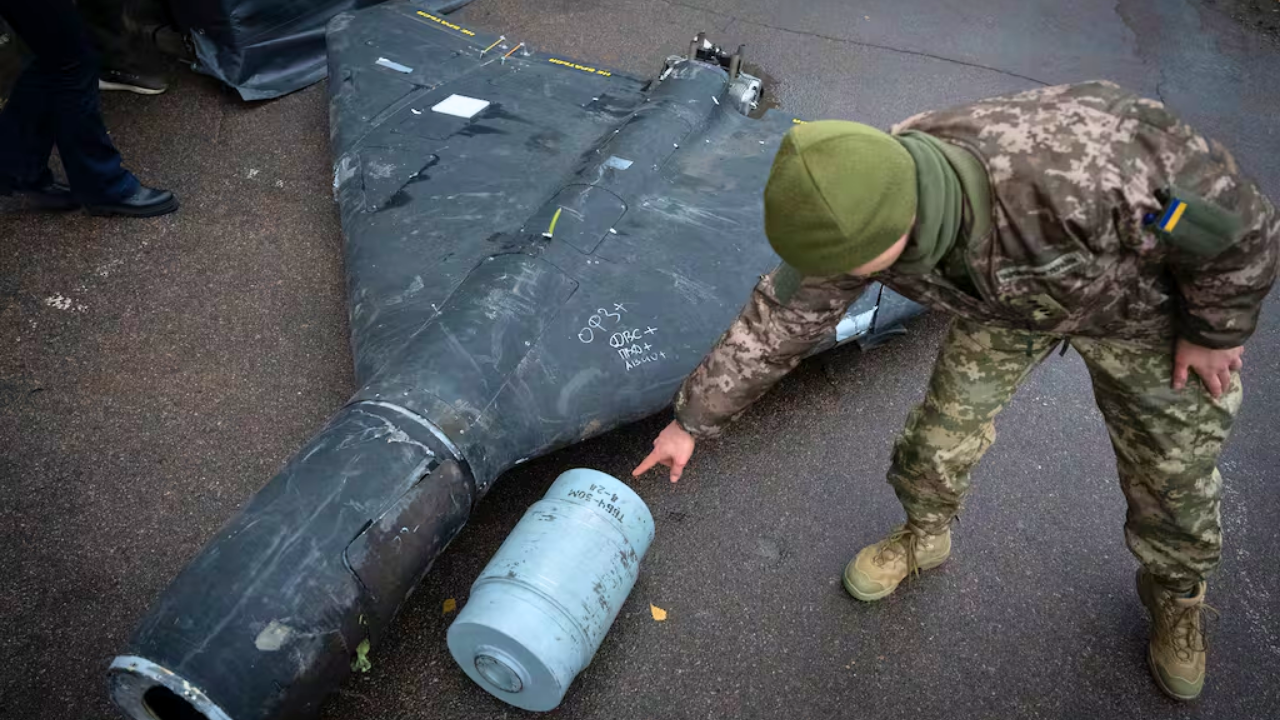
On the frontlines of modern military innovation, Ukraine has introduced the Sky Sentinel, the world’s first fully AI-automated air defense turret. This monumental leap in technology has fundamentally changed the dynamics of air defense, particularly during a historic crisis.
In June 2025, the Sky Sentinel autonomously detected and neutralized Russian drones in the most significant drone attack to date, challenging the traditional dominance of costly missile systems like the $20 million Patriot. This development not only highlights Ukraine’s resilience but also indicates a shift towards more affordable, tech-driven defense solutions in warfare.
Why Ukraine Built Sky Sentinel
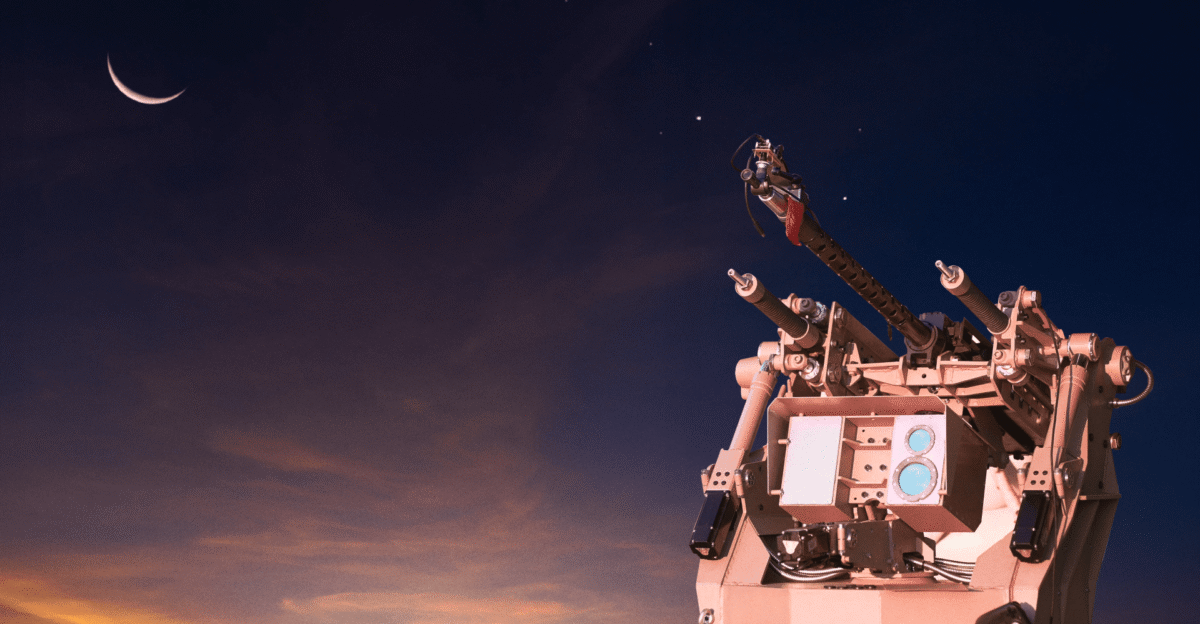
The impetus for developing Sky Sentinel stemmed from the continuous onslaught of Russian drone and missile attacks that overwhelmed conventional air defenses. Facing unprecedented challenges, Ukrainian engineers sought a scalable, cost-effective alternative to protect urban areas and frontline regions.
The Sky Sentinel was created to provide a rapid, autonomous response to aerial threats, embodying a resourceful approach to defense amid ongoing conflict. This innovation is a testament to Ukrainian ingenuity and the urgent need for advanced solutions to modern warfare challenges.
Direct Impact: Protecting Civilians
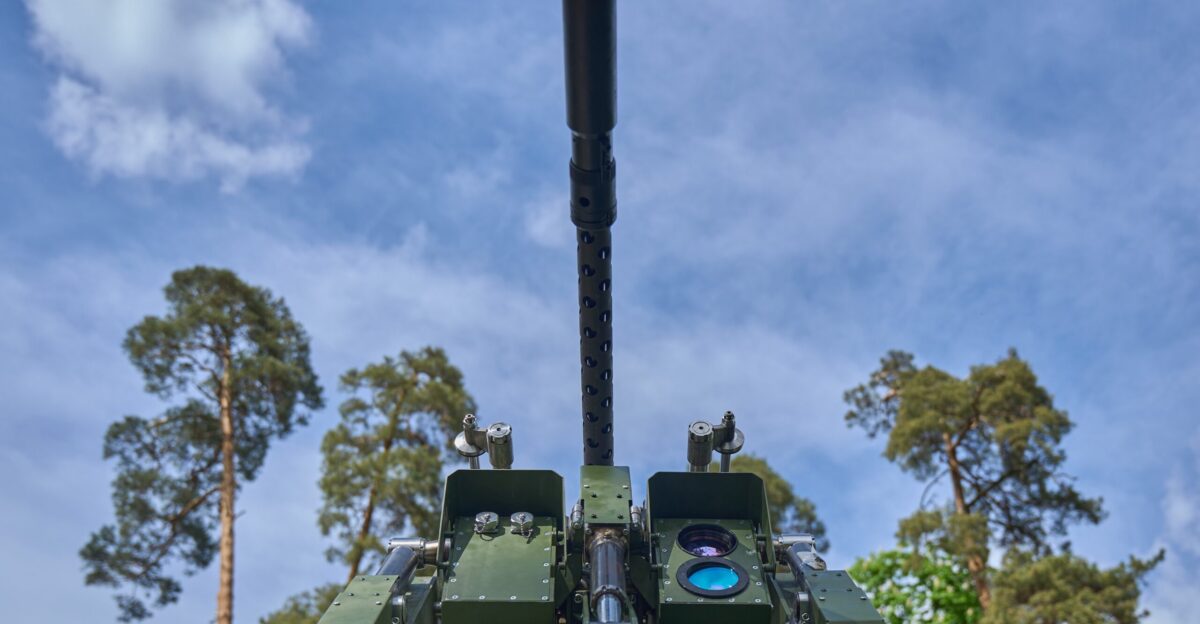
The deployment of the Sky Sentinel has had an immediate impact on civilian safety. Aimed at shielding the population from relentless drone strikes, this AI turret has proven effective in cities like Kyiv, Kharkiv, and Odesa, which have suffered hundreds of attacks.
By providing rapid, automated defense, the Sky Sentinel reduces the potential for casualties in high-risk urban areas. “It allows us to focus on our daily lives with a bit more security,” says Oleg, a resident of Kyiv. The technology’s capacity to adapt and respond promptly is a game-changer for civilian protection.
Corporate Response: Scaling Production
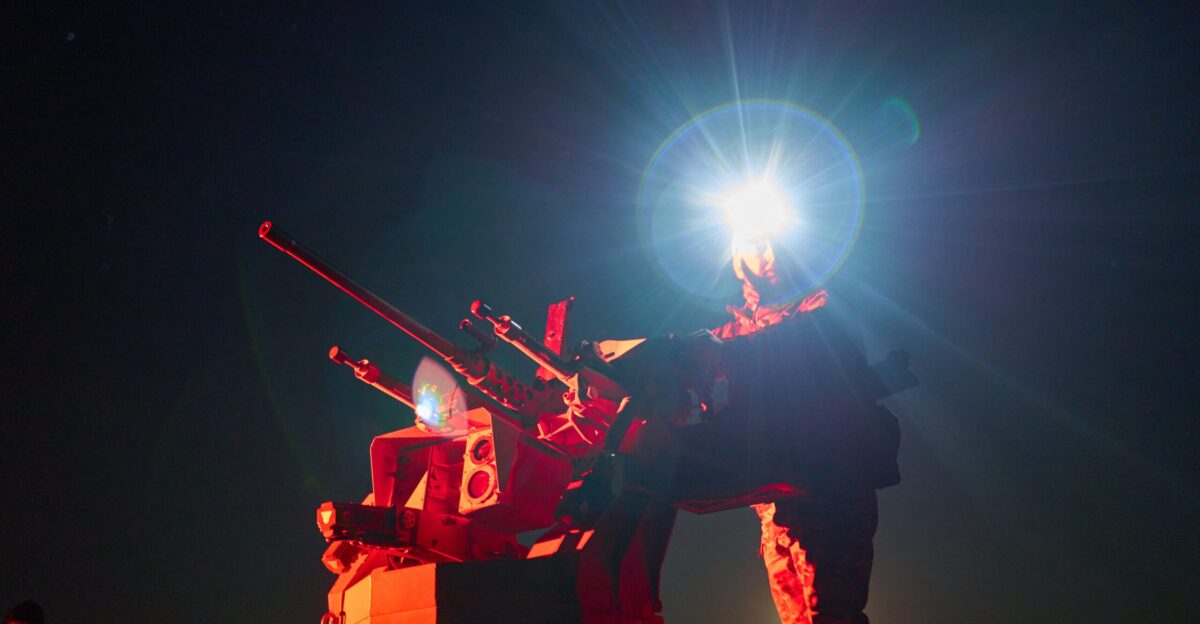
In light of the Sky Sentinel’s success, Ukrainian defense companies are accelerating production to meet rising demand. The objective is to deliver dozens of these innovative units monthly, which reflects a significant shift in national defense strategy.
Crowdfunding initiatives, such as United24’s $1.5 million campaign, have underscored the community support and collaboration between the public and private sectors in mass-producing Sky Sentinels. “It’s about coming together to protect our future,” commented a volunteer with United24. This initiative is crucial for ensuring the widespread deployment of these systems in response to ongoing threats.
Adjacent Markets: Global Interest in AI Defense
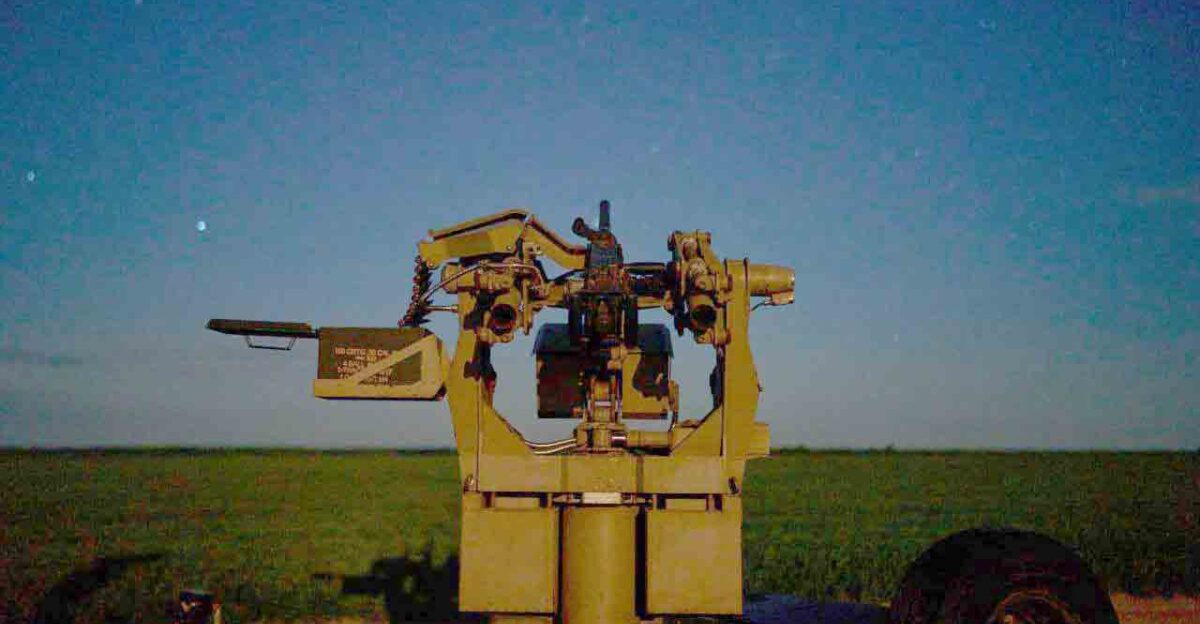
The effectiveness of Sky Sentinel has sparked international interest, as defense companies and governments explore the development of similar autonomous systems. Sky Sentinel serves as a blueprint for new anti-drone technologies worldwide. The lessons learned from Ukraine’s deployment are proving invaluable, as nations re-evaluate their defense strategies against aerial threats.
Meanwhile, technological partnerships are forming as countries in the US and Europe look to incorporate AI in their military arsenals. “Ukraine is leading the way in defense innovation,” said analyst Wes O’Donnell, underscoring the broader implications of this advancement.
International Trade: Shifting Defense Economics
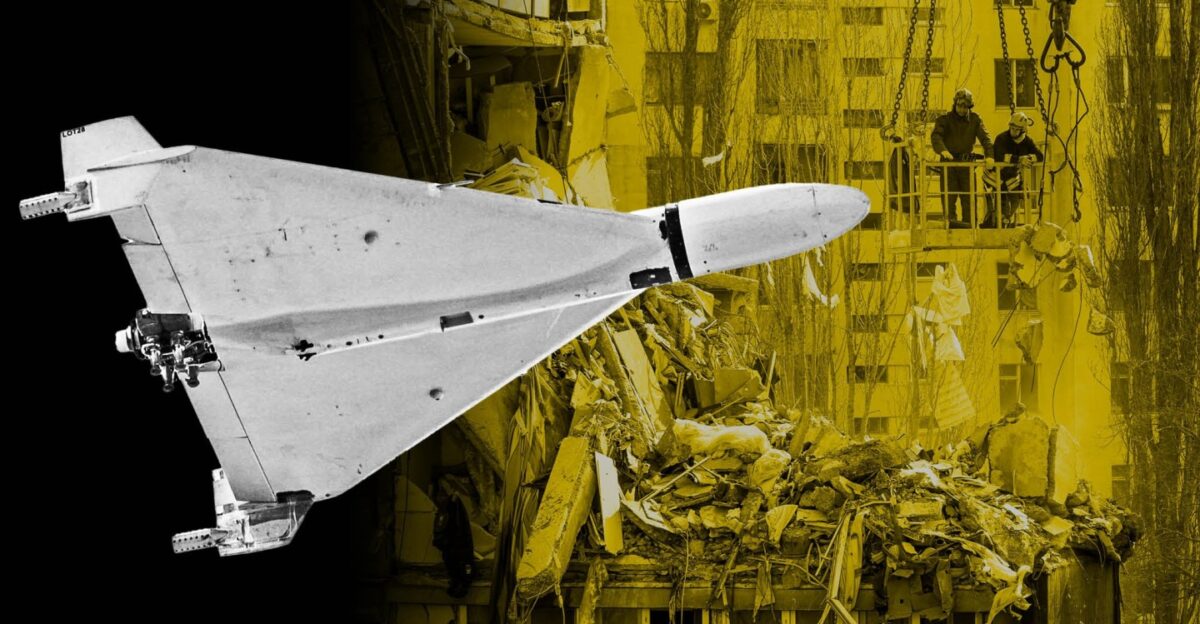
Sky Sentinel’s affordability, priced at $150,000 per unit, stands in stark contrast to the $20 million cost of the Patriot missile system, prompting a reevaluation of global defense procurement strategies. Many nations, facing increasing risks from drone threats, are reconsidering costly imports.
The economic implications are significant, as countries shift towards scalable, AI-driven solutions that provide practical defense capabilities without depleting resources. “This offers countries a viable alternative,” commented defense economist Anna Koval, illustrating a growing trend where cost-efficiency marries technological advancement in military spending.
Ukrainian Engineers Lead Innovation
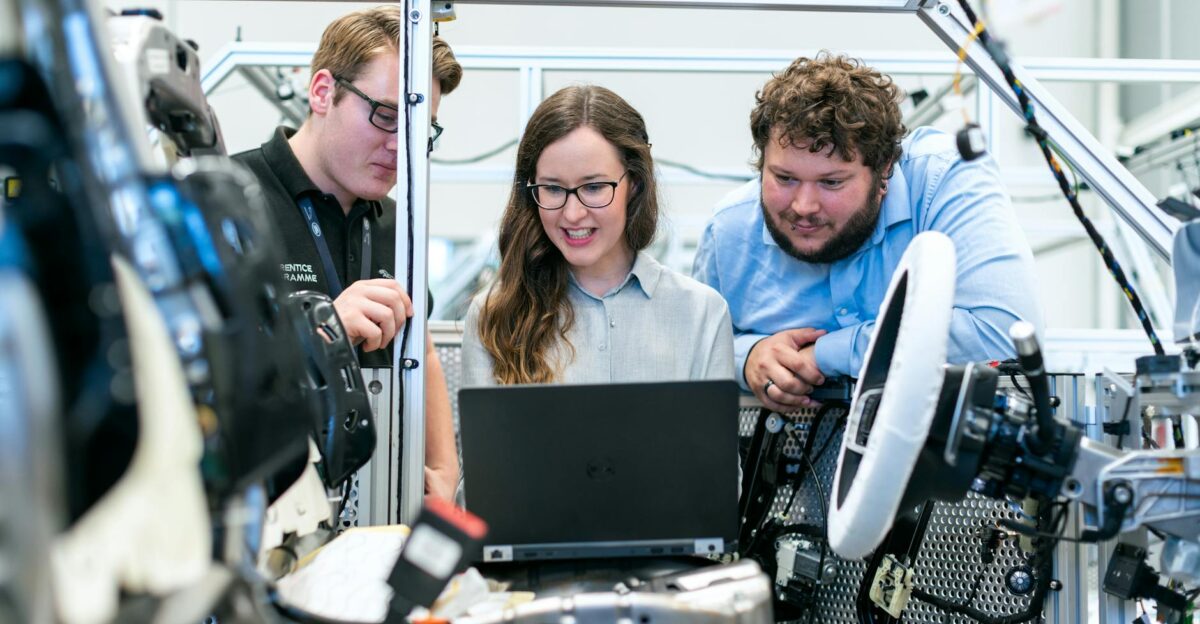
The Sky Sentinel’s creation involved a dedicated team of Ukrainian engineers who tackled myriad mechanical and software challenges during its development. Designed and tested domestically, this innovation highlights the nation’s engineering talent. “We worked day and night to ensure its success,” stated lead engineer Taras Shevchenko.
This drive for technological advancement positions Ukraine as a burgeoning leader in autonomous defense systems, demonstrating how local ingenuity can lead to significant breakthroughs even amid conflict. The Sky Sentinel not only represents a technological leap but also a unifying effort for the Ukrainian people.
Policy Response: Government Endorsement

The Ukrainian government has officially endorsed the rapid deployment of the Sky Sentinel, emphasizing its strategic importance in national defense. Officials articulate that this system complements Western defense capabilities while mitigating dependence on expensive foreign munitions, particularly amid fluctuating international support.
“Sky Sentinel represents a vital part of our strategy moving forward,” stated Defense Minister Oleksii Reznikov, signaling a broader policy shift that integrates indigenous technology into the country’s defense framework. This endorsement is crucial for fostering a robust defense posture against ongoing aggression.
Economic Ripple: Cost Savings and Efficiency
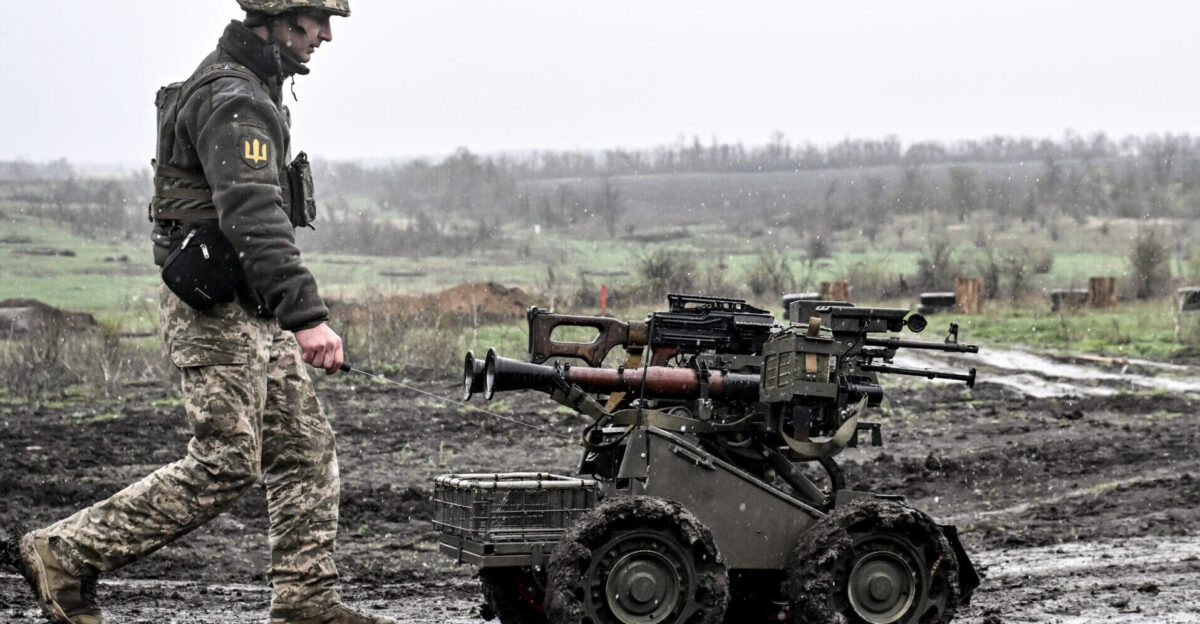
The implementation of Sky Sentinel not only enhances air defense but also offers substantial economic benefits. The cost-effective nature of these turrets means that deploying a series of 10–30 units can cost less than a single Patriot missile system.
This efficiency allows Ukraine to stretch its defense budget further, providing extensive coverage against aerial threats without overspending. “It’s a smarter, more sustainable way to defend our cities,” remarked economist Yuriy Dmytrenko. Reduced financial strain enhances the overall capability to safeguard urban areas and frontline regions.
Lifestyle and Health: Reducing Civilian Risk

Automated air defense systems, such as the Sky Sentinel, play a crucial role in minimizing the risks faced by both military personnel and civilians. By reducing the need for human operators in hazardous zones, the turret enhances safety for soldiers while also improving operational efficiency.
Faster response times also translate into fewer civilian casualties and infrastructure damage during drone attacks. “We can now respond faster and save more lives,” noted Captain Iryna, emphasizing the turret’s role in enhancing both military and civilian safety during conflicts. This shift represents significant advancements in military operations.
Cultural Debate: AI in Warfare
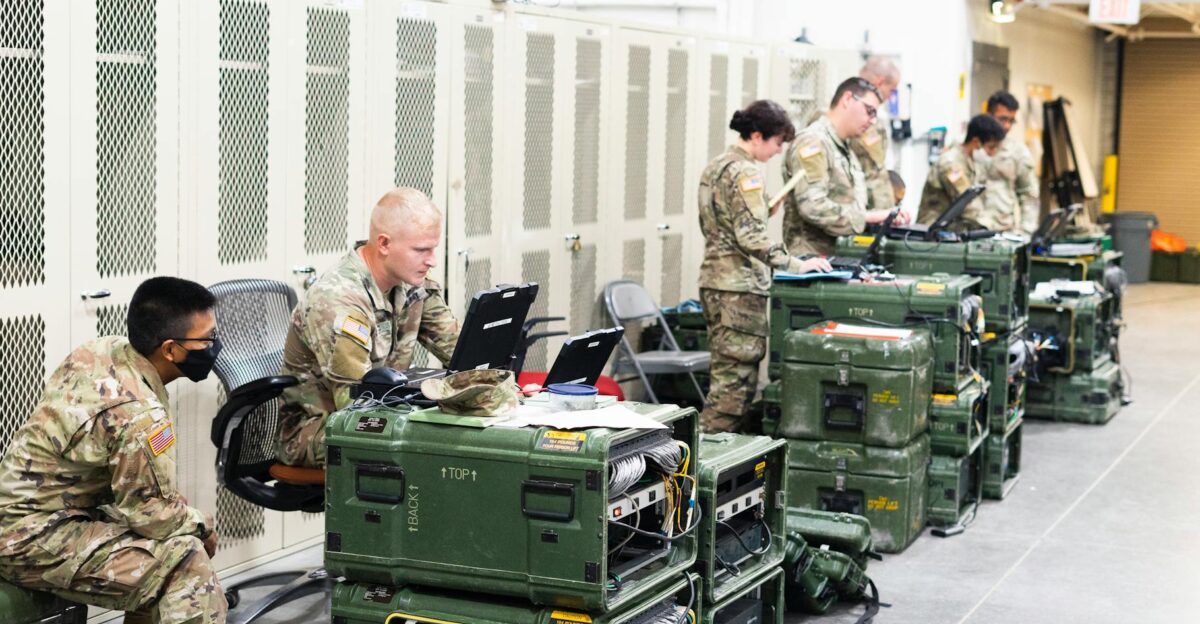
The advent of autonomous weaponry has sparked a debate over the ethical implications of systems like Sky Sentinel. Proponents argue that such technologies save lives and resources in combat situations, yet critics raise concerns regarding accountability and the potential for unintended escalations in conflict zones.
“We must tread carefully as technology evolves,” cautioned Professor Elena Moroz, an ethics expert. Striking a balance between innovation and morality is crucial as nations assess the role of AI in modern warfare, adding layers of complexity to the conversation surrounding military ethics.
Global Perception: Shifting Attitudes Toward AI Defense
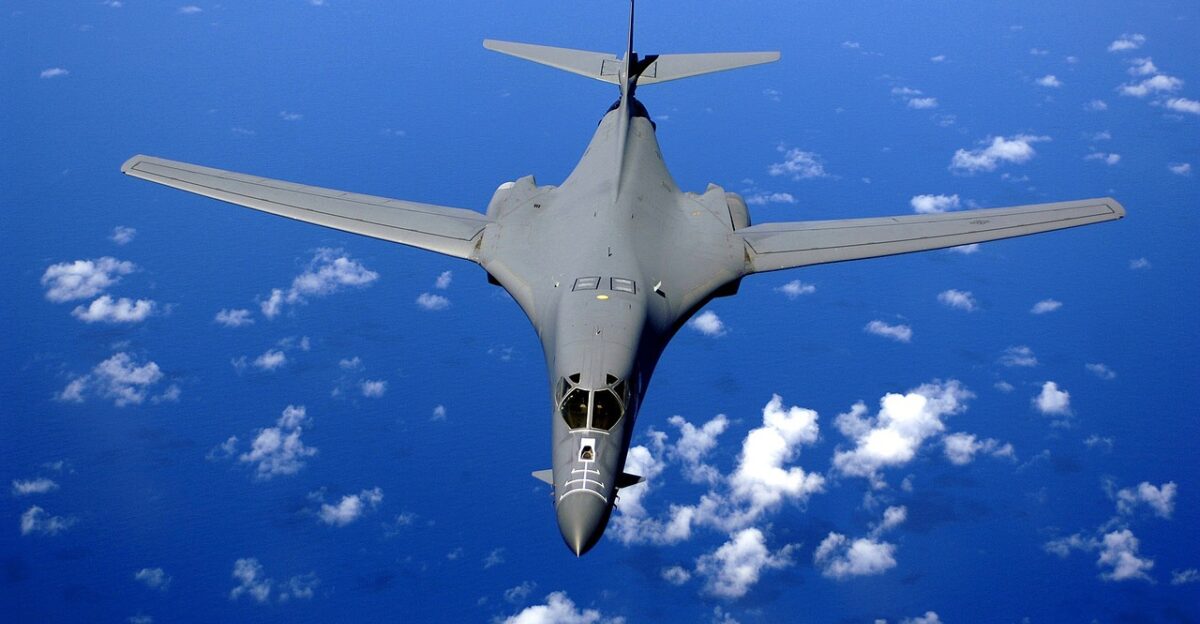
Sky Sentinel’s successful deployment has changed the global discourse surrounding AI in military applications. Prior skepticism about autonomous systems is fading, with nations recognizing the operational advantages that such technology offers. “Ukraine’s model is proving effective and necessary,” remarked international military strategist Nicholas Fontaine.
As countries reassess their defense capabilities, a growing interest in AI-powered defense solutions is emerging. This trend signifies a significant paradigm shift across the defense landscape, as nations increasingly adopt innovative technologies to address emerging threats.
Unexpected Winners and Losers
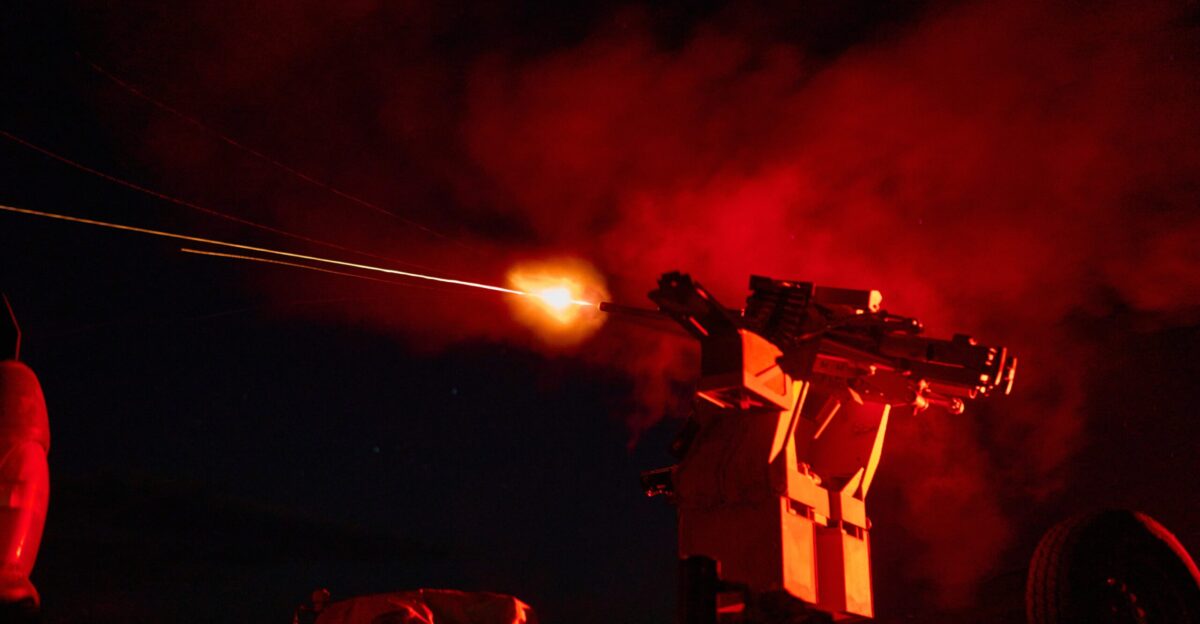
As Sky Sentinel garners worldwide attention, Ukrainian defense startups and engineers have emerged as unexpected beneficiaries, attracting international recognition and investment. This shift presents challenges for traditional missile manufacturers who may face declining demand as interest grows in AI-driven, cost-effective alternatives.
“The market is evolving fast, and we must adapt,” stated a CEO of a well-known defense firm. This transformation is indicative of the changing dynamics within the defense sector, where innovation, more than traditional approaches, is becoming the path to success.
Financial Speculation and Consumer Advice
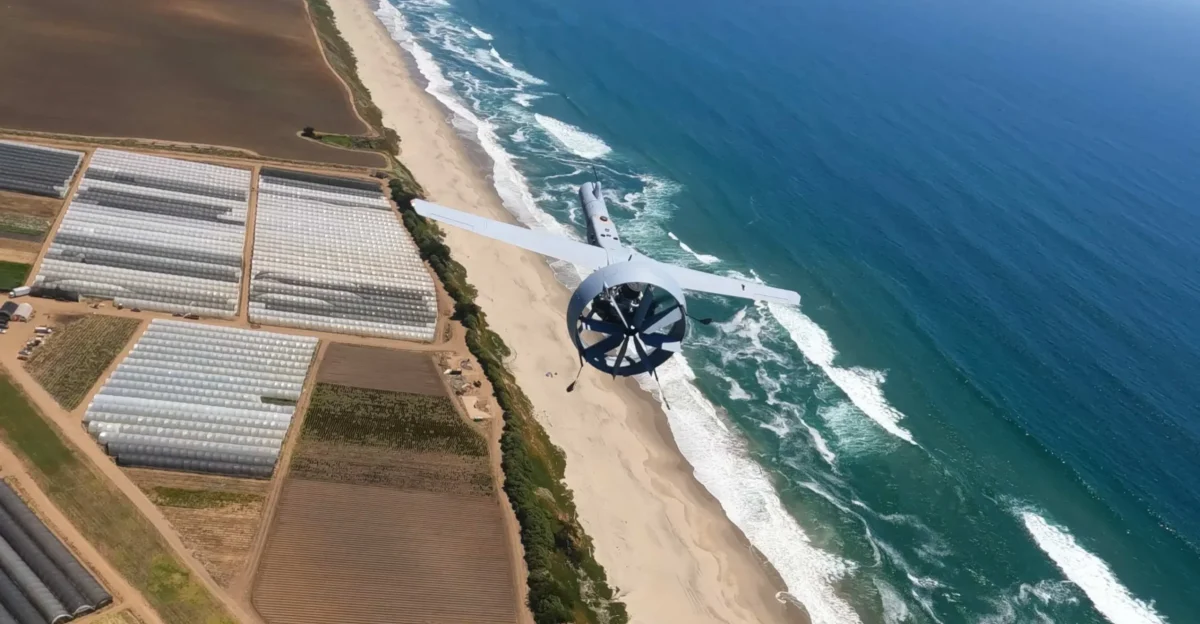
With the emergence of AI-driven defense technologies, such as Sky Sentinel, investors are closely monitoring the Ukrainian defense technology landscape for potential opportunities. Financial analysts predict that the industry is poised for significant growth, influenced by rising global interest in autonomous military systems.
“Investing in defense tech is becoming increasingly strategic,” observed financial commentator Maria Kovalenko. For consumers and investors alike, this evolving market signals a move towards understanding not just military effectiveness but also the economics behind emerging defense solutions.
The Future of Defense Technology
Sky Sentinel exemplifies Ukraine’s transformative approach to modern warfare combining domestic engineering, societal support, and AI innovation to meet grave challenges. Its performance against persistent aerial threats has raised global standards for affordable, scalable, and effective defense systems.
As countries reassess their air defense strategies and invest in AI-powered technologies, Ukraine’s model is poised to shape the next generation of military solutions. The journey of Sky Sentinel stands as a pivotal moment for defense technology amid complex and evolving threats.