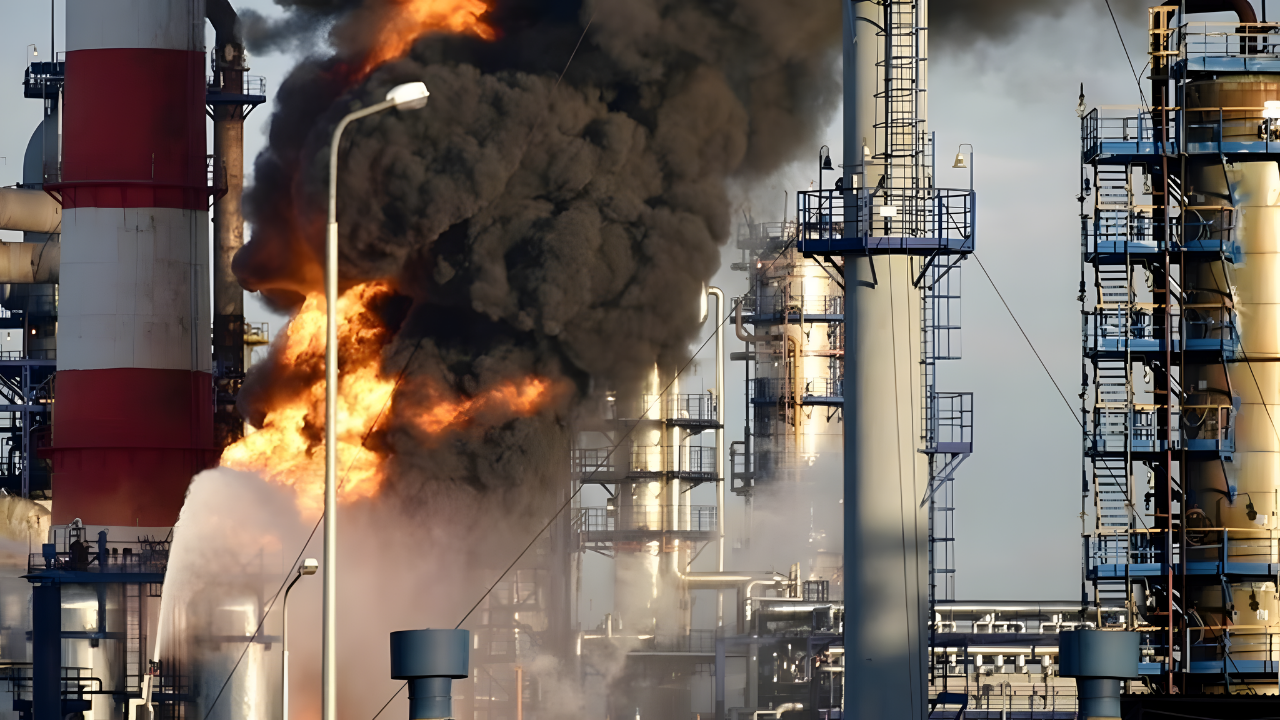
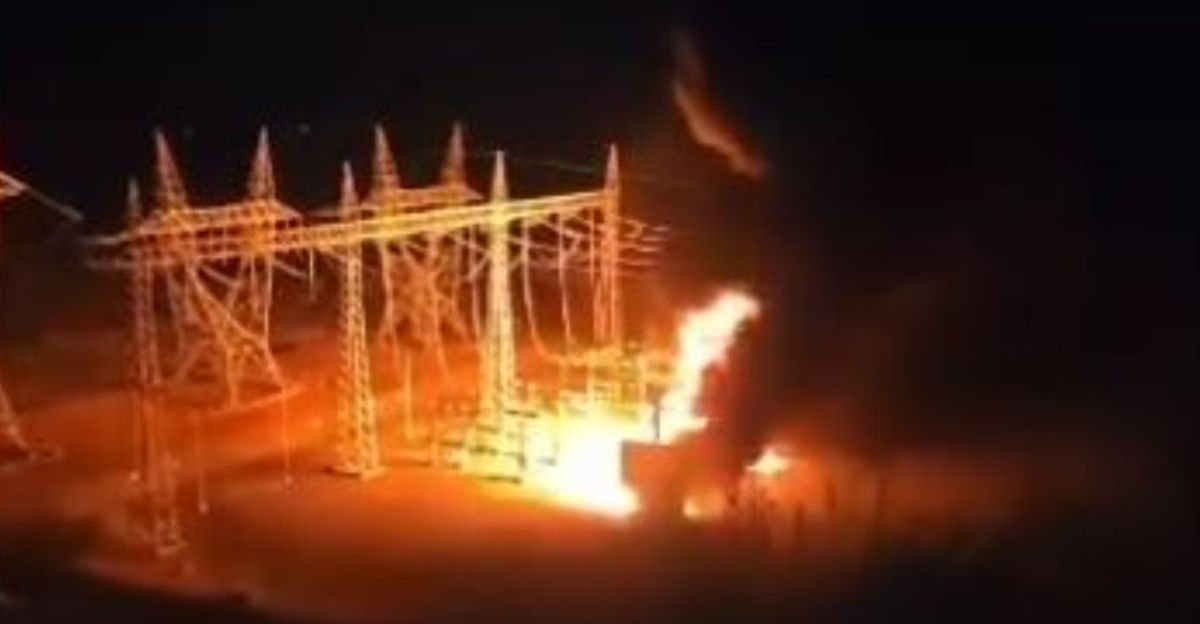
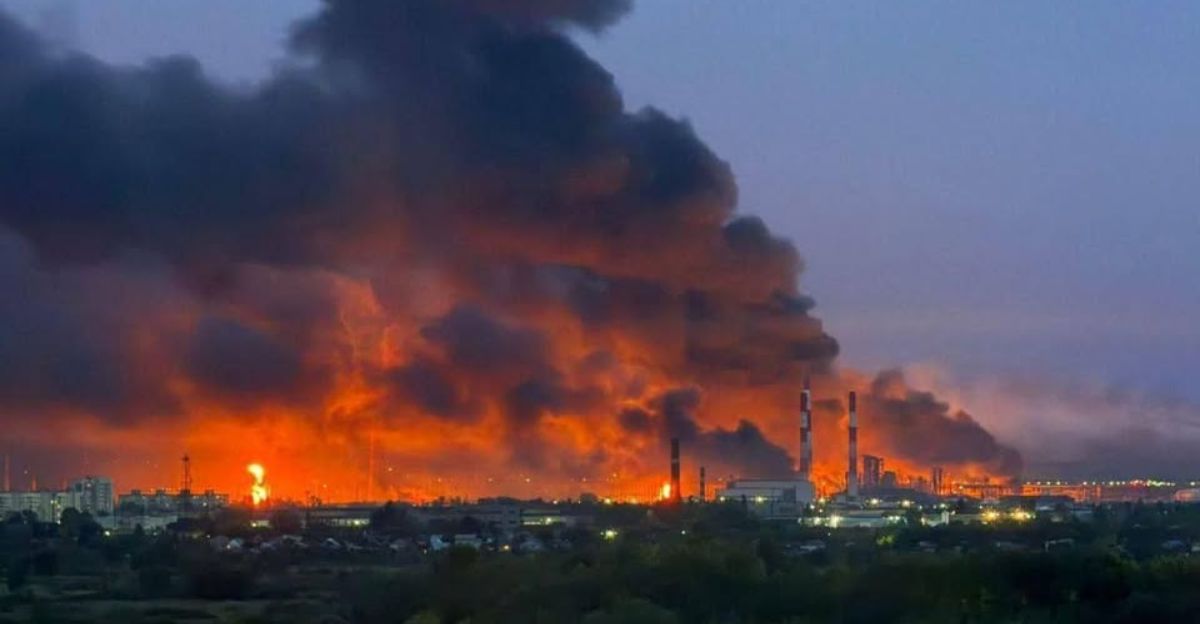
Orange flames rise above refinery towers as thick black smoke rolls into the night sky. Video from Slavyansk-on-Kuban shows explosions flashing across industrial tanks, seconds apart, illuminating pipelines and storage units. Emergency lights flicker beneath the blaze.
By morning, power is out across entire neighborhoods. Ukrainian drones have struck deep inside southern Russia, hitting a facility that processes 5.2 million tonnes of oil each year. How did the drones get this far—and what exactly burned?
A Coordinated Drone Onslaught

Russia’s Defense Ministry says Ukrainian forces launched a large overnight drone wave on December 17, claiming 94 drones nationwide, including 31 intercepted over Krasnodar Krai alone. Despite those interceptions, multiple targets were hit.
Ukrainian strategy appears focused on overwhelming air defenses through volume and range. The result: explosions, fires, and damaged infrastructure far from the front lines. Southern Russia’s energy system is now under sustained pressure from repeated long-range strikes.
Why Energy Sites Matter
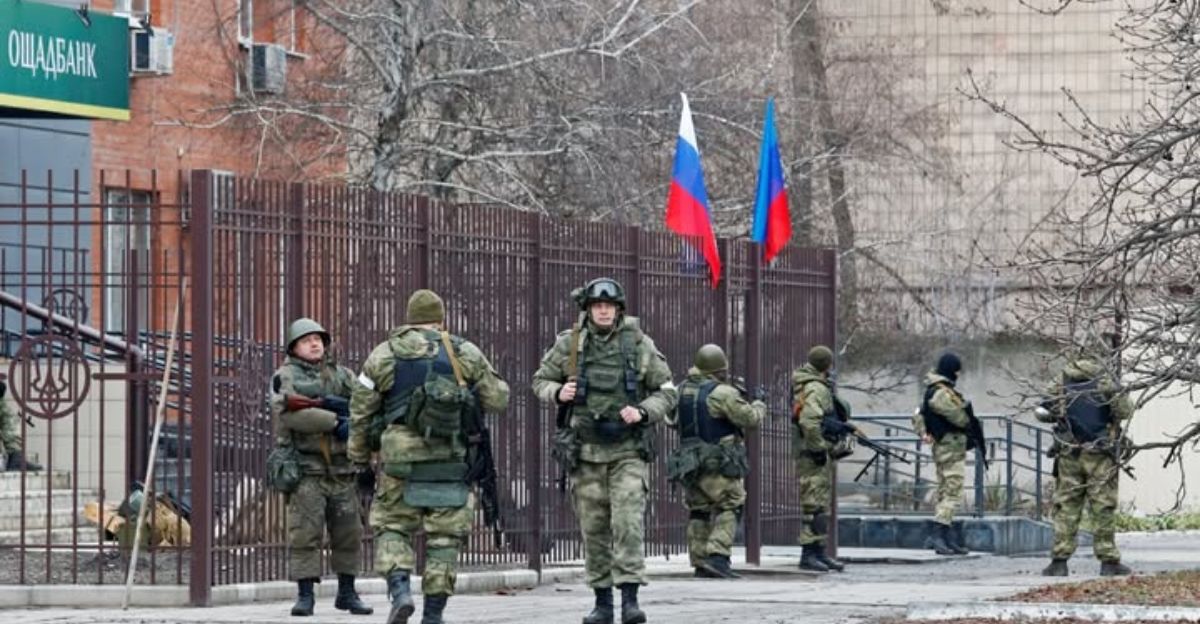
Since Russia’s 2022 invasion of Ukraine, energy infrastructure has become a central battlefield. Oil refineries do more than power civilian economies—they fund military operations, logistics, and exports.
Every disrupted facility strains fuel supplies for Russian forces and cuts into revenue flowing to Moscow. Ukraine has increasingly framed these sites as legitimate military targets, aiming to weaken Russia’s war-fighting capacity without engaging troops directly on the ground.
Krasnodar Krai in the Crosshairs
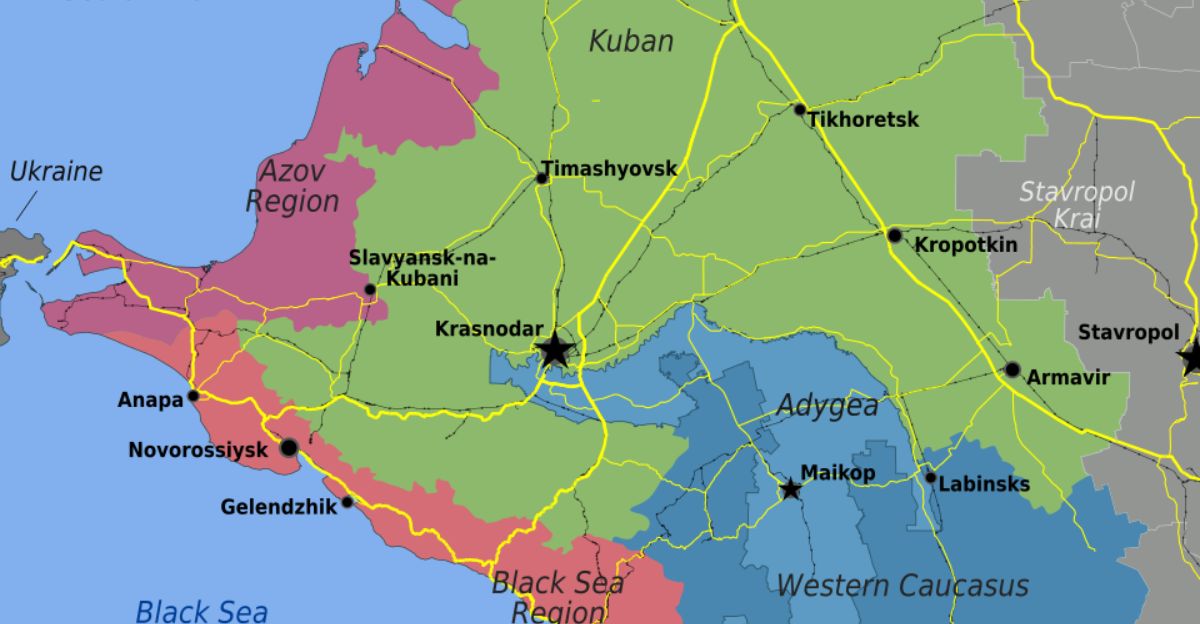
Krasnodar Krai sits deep in southern Russia, near the Black and Azov seas and hundreds of kilometers from Ukraine’s border. It hosts refineries, pipelines, and export routes critical to Russian energy flows.
Ports like Novorossiysk link these facilities to global markets. Striking here signals a major expansion of Ukraine’s operational reach.
A December Refinery Blitz
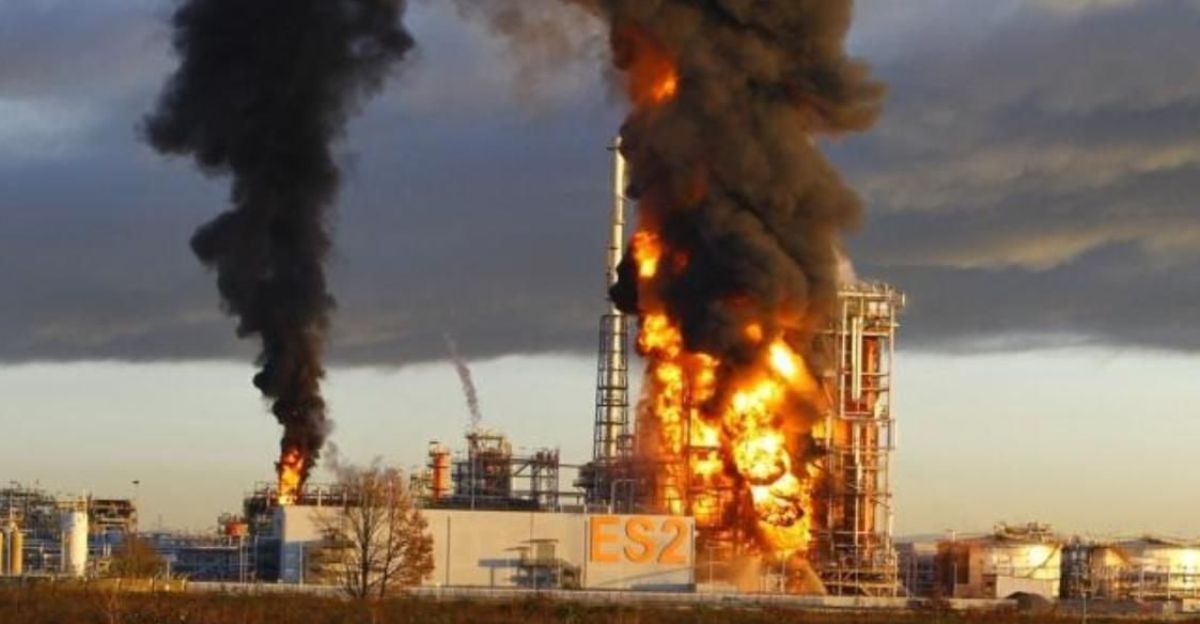
The Slavyansk strike did not occur in isolation—it marked an escalation in range and ambition. On December 12, Ukrainian drones hit the Slavneft-Yanos refinery in Yaroslavl, approximately 700 kilometers from Ukraine’s border. On December 14, Ukraine launched wide-ranging attacks on military and oil infrastructure.
December 17 marked the third major refinery-related strike in five days, with Slavyansk representing a significant penetration deep into southern Russian territory. Together, these attacks form a clear pattern: a deliberate campaign pushing deeper into Russia’s southern energy heartland during winter.
Slavyansk Refinery Hit Confirmed
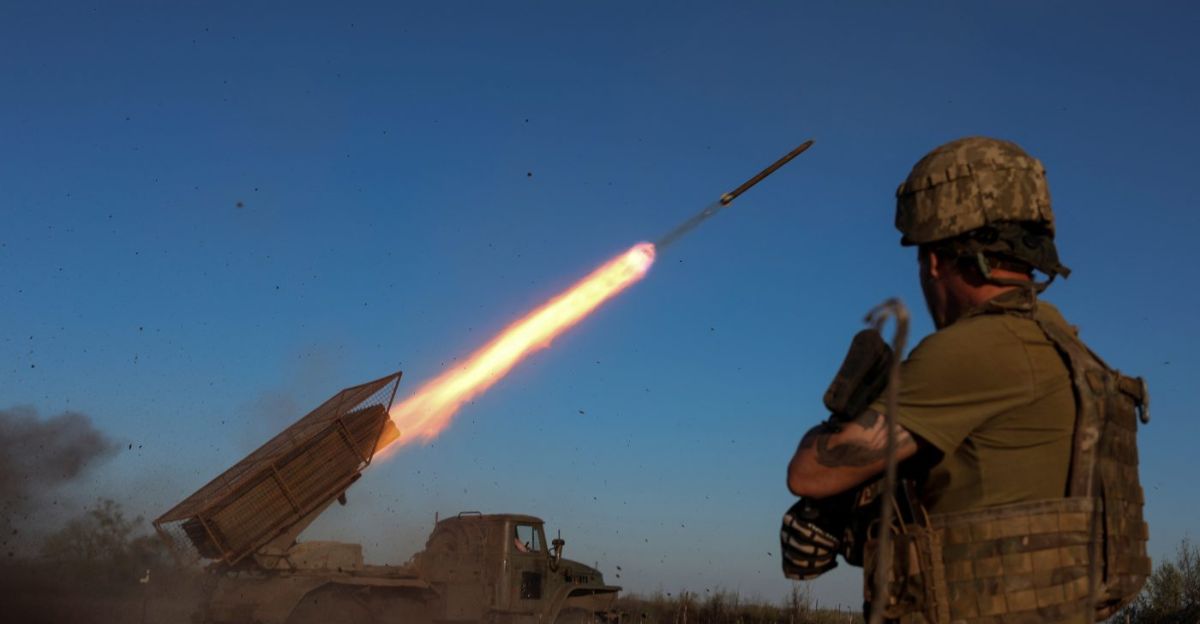
Ukraine’s General Staff confirmed that Defence Force units used “Deep Strike weapons” to hit the Slavyansk oil refinery overnight on December 17. Located in Slavyansk-on-Kuban, the refinery processes about 5.2 million tonnes of crude and condensate per year.
Located in the Black Sea region of southern Russia, the Slavyansk facility marks one of Ukraine’s ambitious penetrations into Russia’s southern energy heartland. Explosions and fires were reported at the site, with the full extent of damage still under assessment. The strike represents a deep confirmed attack into Russia’s energy infrastructure.
What 5.2 Million Tonnes Means
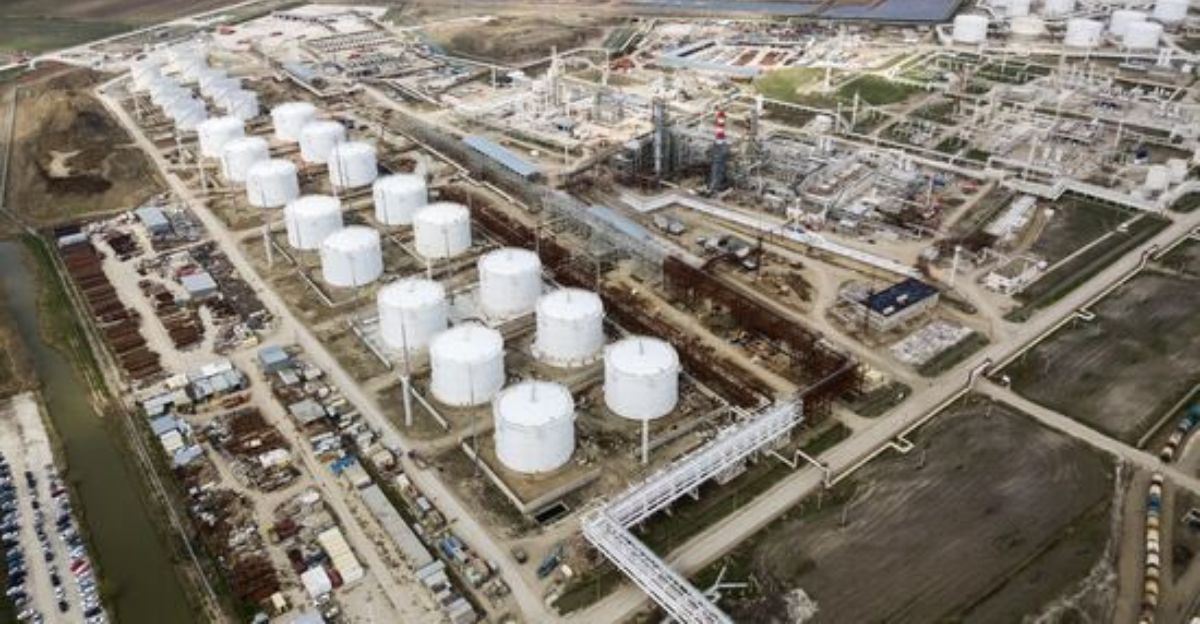
A refinery of this size handles roughly 100,000 barrels of oil per day when operating at nominal capacity, depending on crude type and blending—with actual throughput often running lower in practice. In refined products, that translates to an estimated $2–5 million in daily production value at immediate risk for each week of downtime, based on comparable Ukrainian strikes on similar Russian refineries.
Even temporary shutdowns can ripple through fuel supplies, exports, and military logistics. For Russia, losing capacity here is not symbolic—it directly affects revenue streams that help sustain the war effort.
Power Grid Collapse
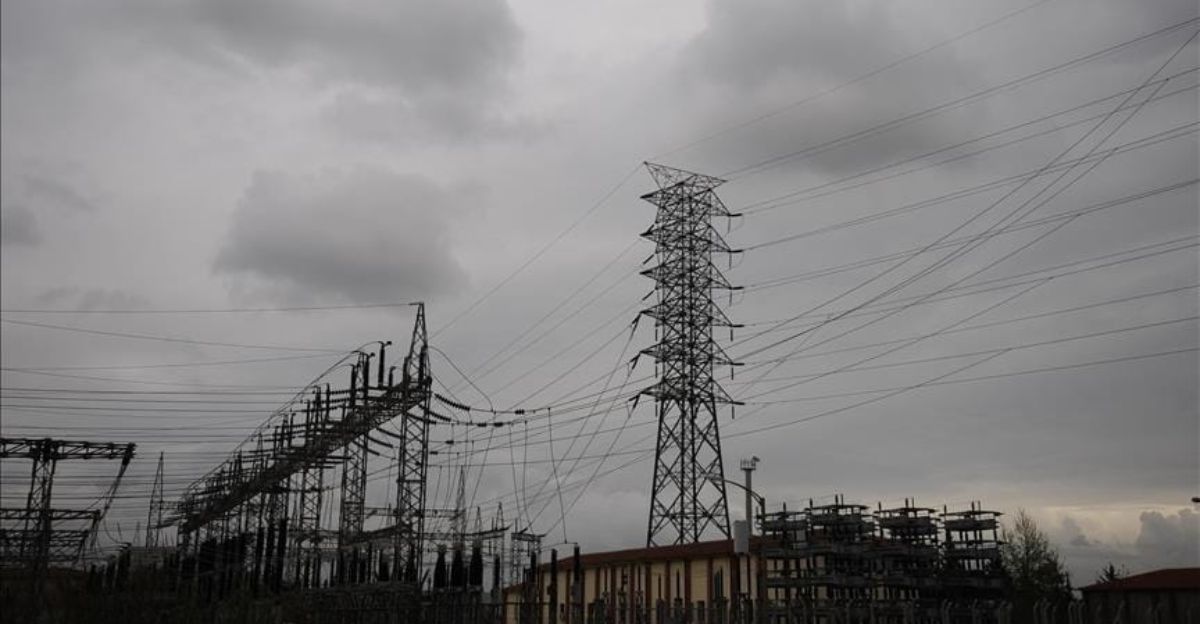
The refinery strike’s force was so intense that it damaged two critical high-voltage power lines feeding the region, triggering widespread blackouts across southern Russia. Russian officials reported that over 38,000 people lost electricity, demonstrating the scale of the explosion at the facility.
Hours later, 13,000 residents were still without power. Entire neighborhoods went dark as emergency crews worked overnight. The outages underscore how closely energy production and civilian infrastructure are linked.
Civilians Caught in the Fallout
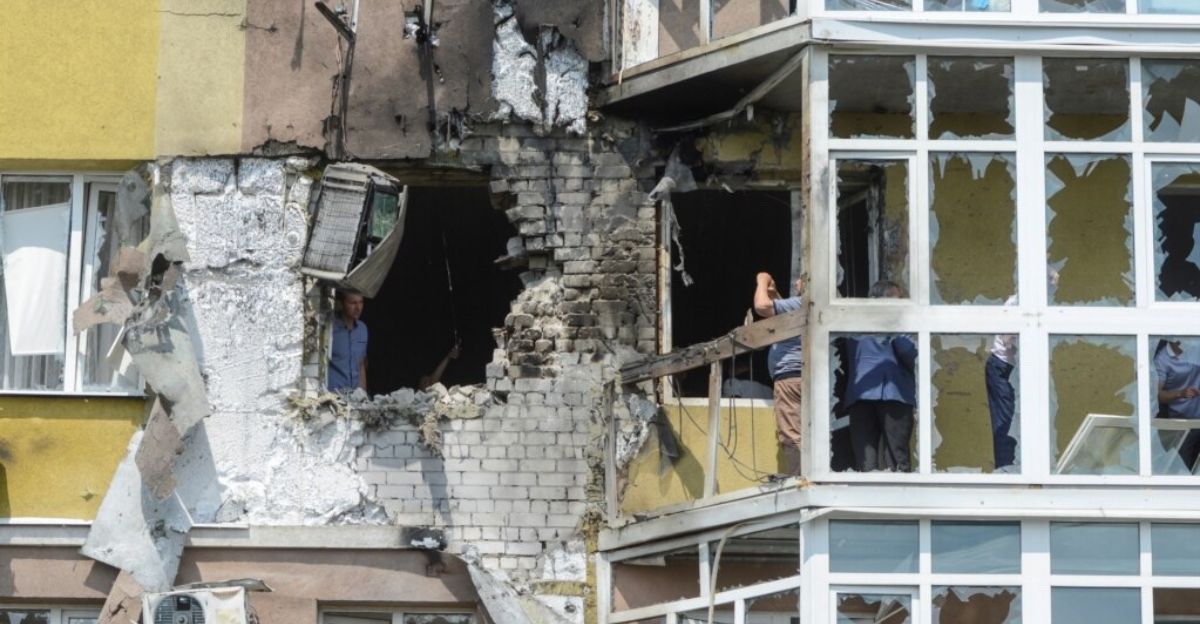
Russian authorities reported two civilians injured by falling drone debris. Homes were damaged, and emergency services responded to multiple incidents tied to downed drones.
While officials emphasized that refinery fires were contained, the injuries highlight a growing reality: civilians far from the front lines are increasingly exposed. As drones travel deeper into Russia, the war’s physical impact is no longer confined to border regions.
Fuel Supplies Under Strain
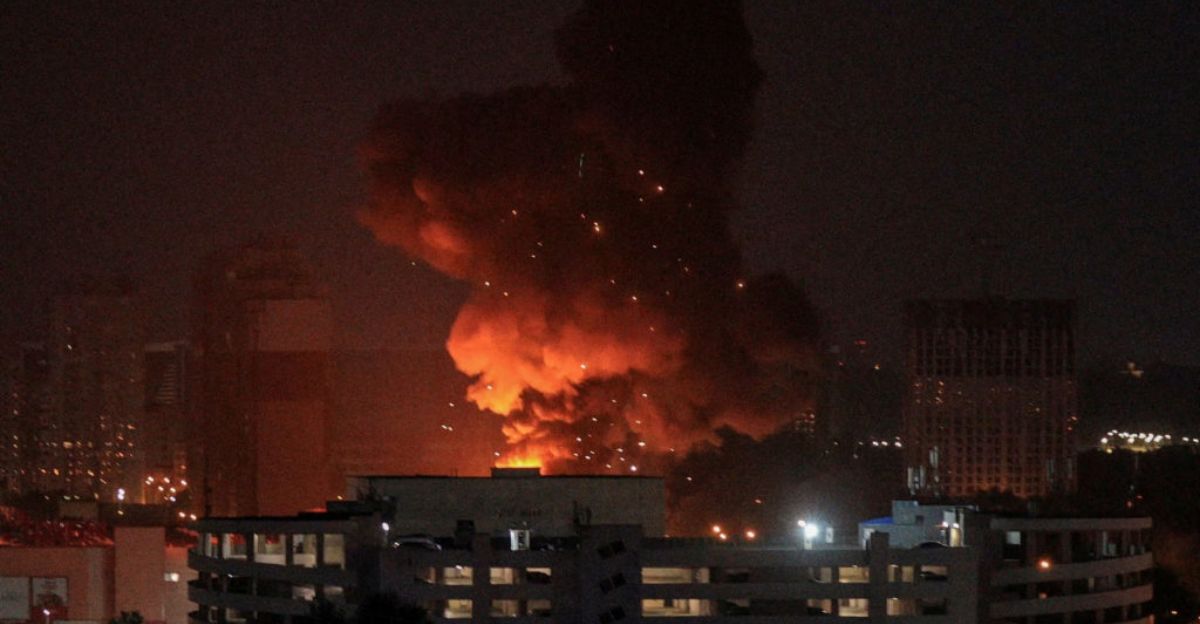
With fires at the refinery and power lines damaged, fuel processing was disrupted. Major processing units at refineries typically require a minimum of three to six weeks for inspection and repairs, with full capacity restoration taking considerably longer if damage proves extensive.
For the Russian military, fuel reliability is critical—especially during winter operations. Each refinery outage tightens logistics and raises costs, forcing Russia into constant repair and reinforcement mode.
Caspian Sea Ripples
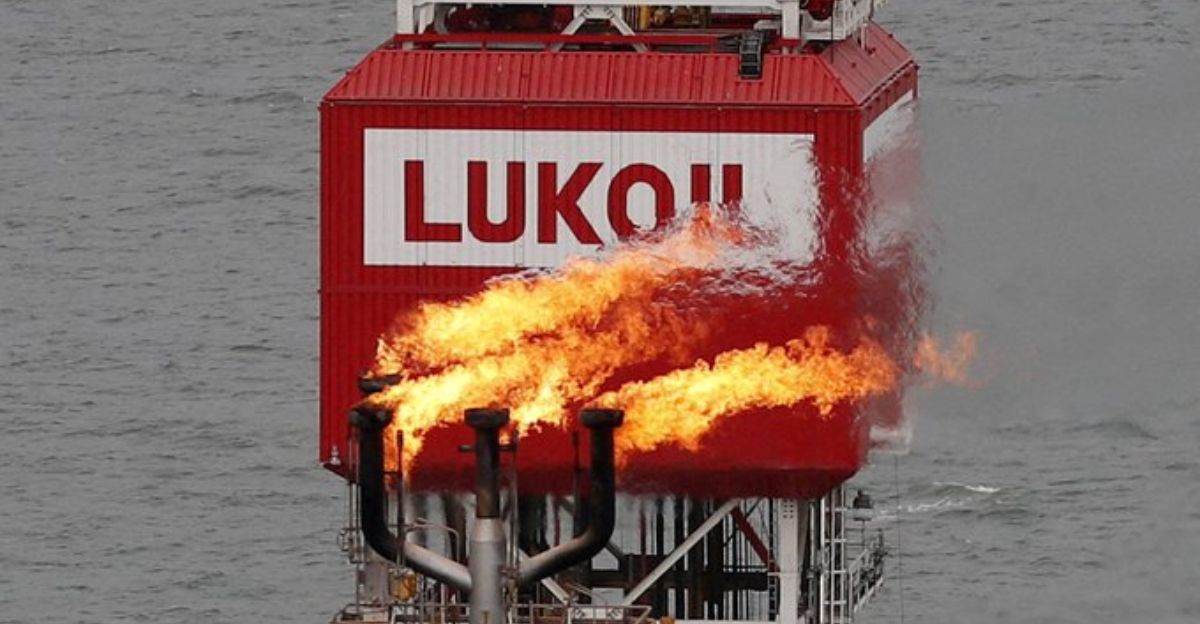
Just days earlier, Ukrainian drones struck Caspian offshore platforms, including the Grayfer platform, halting roughly 3,500 tonnes of daily production. Lukoil’s Filanovsky field was also targeted.
These sites feed pipelines supplying global markets. While each hit alone is limited, together they erode confidence in Russia’s ability to protect remote energy assets.
Russia’s Air Defense Claims
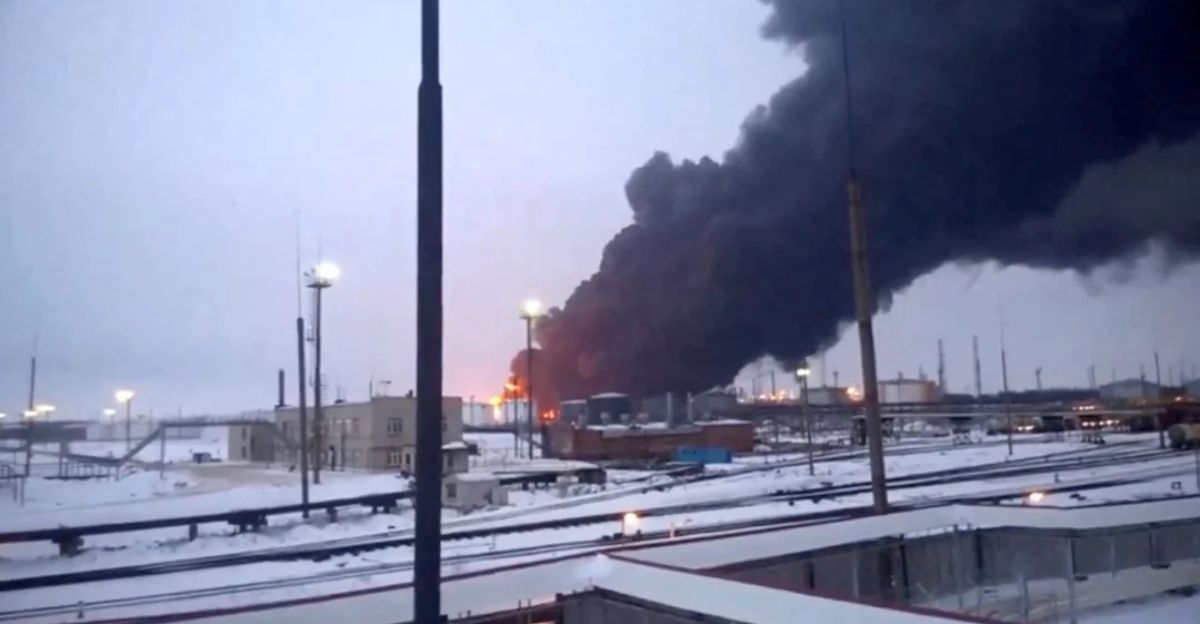
Russia’s Defense Ministry insists it intercepted dozens of drones, including 31 over Krasnodar Krai. Yet despite these claims, the refinery burned and power lines fell.
The contrast fuels questions about interception rates and defense gaps. Each successful strike undermines confidence in Russia’s ability to shield critical infrastructure.
Inside the Damage Assessments
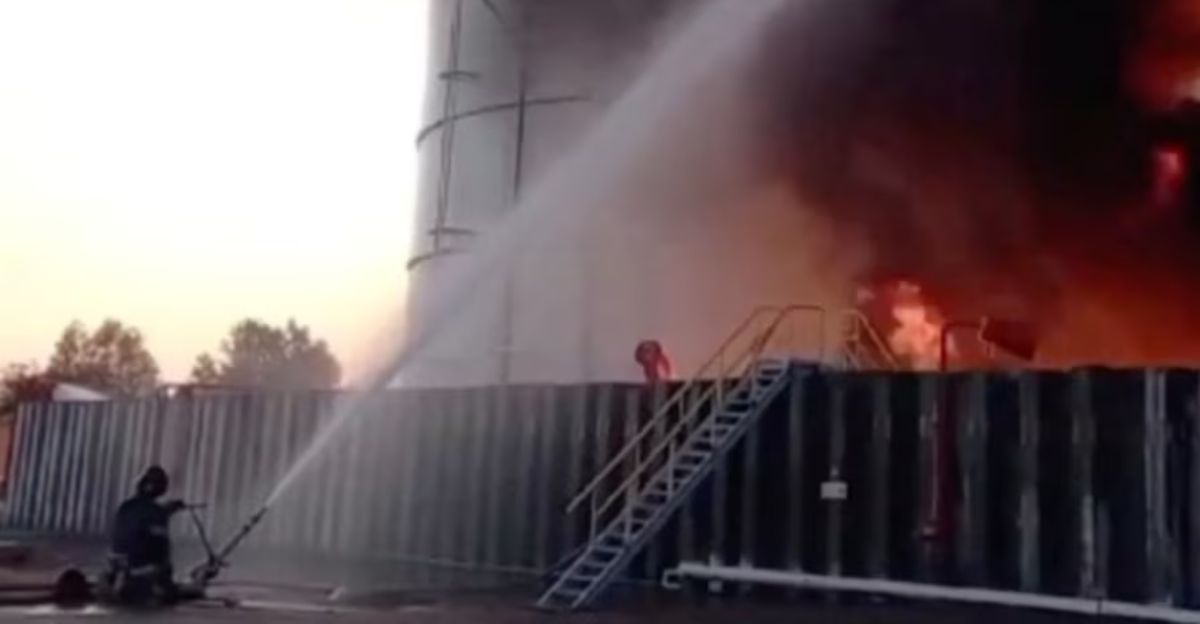
Emergency response teams worked overnight to manage fires across processing units at the Slavyansk refinery, forcing immediate shutdowns and emergency containment efforts. Multiple fires spread across critical production zones during the attack.
High-capacity systems hit in processing areas can take weeks to months to fully restart, depending on damage extent. Operators now face the challenge of repairing complex infrastructure hit by the strike that cascaded through critical production zones.
Energy as the Real Battlefield
These strikes highlight a shift in modern warfare unprecedented in this conflict. Rather than tanks and trenches, refineries and power lines are becoming primary targets for strategic advantage.
Drones—cheap, long-range, and difficult to stop—can cripple facilities worth billions, reshaping how wars are fought and financed. Ukraine’s expanding reach into Russian territory marks a turning point in the energy war, with strikes like Slavyansk testing the outer limits of what drone warfare can achieve.
What Comes Next
With three major refinery strikes in five days, the pattern is unmistakable. Ukraine is pushing deeper, faster, and more frequently into Russia’s energy heartland.
Southern Russia is repairing, reinforcing, and adapting—but no site appears untouchable. As winter deepens, the strain on Russia’s war machine continues to grow.
Sources:
Ukrainian General Staff (ua.news) | General Staff confirms strikes on the Slavyansk Oil Refinery | Dec 16, 2025
Kyiv Independent | Ukrainian drones reportedly strike oil refinery in Russia’s Krasnodar Krai | Dec 16, 2025
TASS | Russia hit by 94 drones overnight, 2 injured in Krasnodar Region | Dec 16, 2025
The Moscow Times | Lukoil Rig Halts Oil Production After Ukrainian Drone Attack | Dec 11, 2025
World Oil | Ukraine claims strike on Lukoil offshore drilling platform in Caspian Sea | Dec 20, 2025