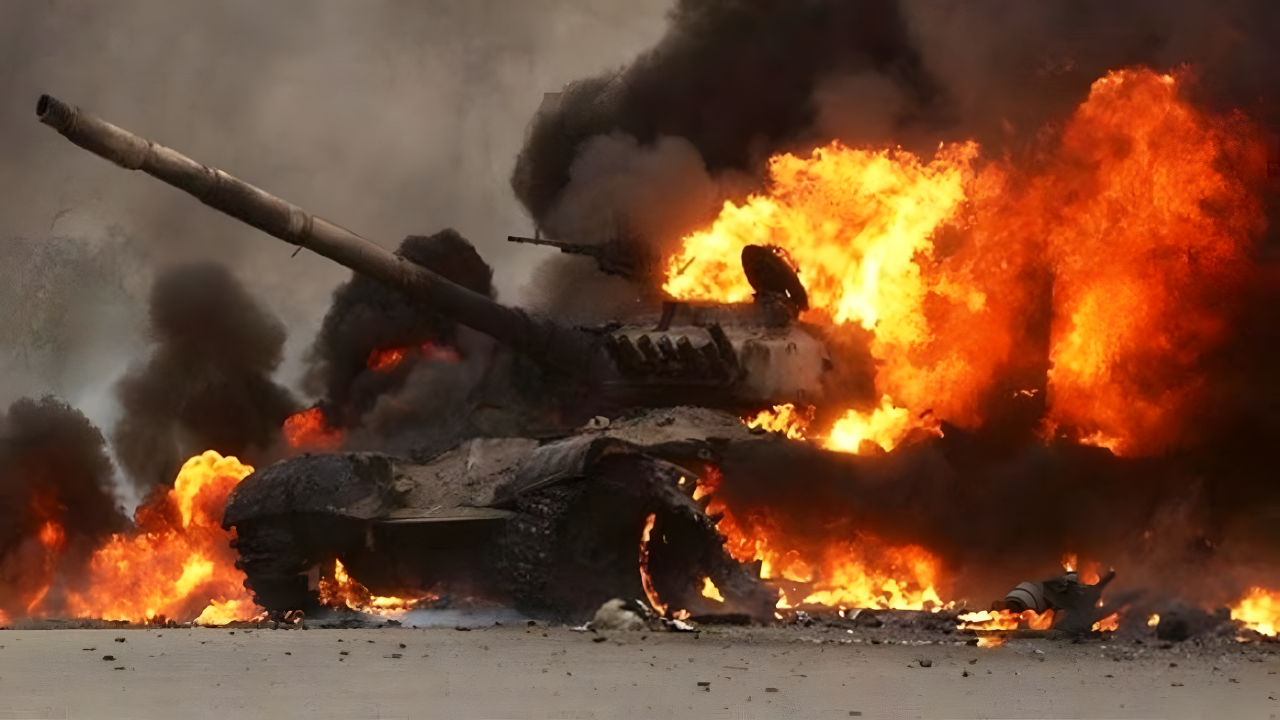
Ukraine’s K2 unit became a key force in eastern Ukraine by deploying FPV kamikaze drones and reconnaissance UAVs near Avdiivka in Donbas.
Operating initially within the 54th Separate Mechanized Brigade, the unit targeted Russian armor, artillery, and infantry concentrations. These drone-led strikes repeatedly disrupted Russian advances, transforming contested ground into areas where armored movement became extremely dangerous and often unsustainable.
From Brigade Detachment to Drone Regiment
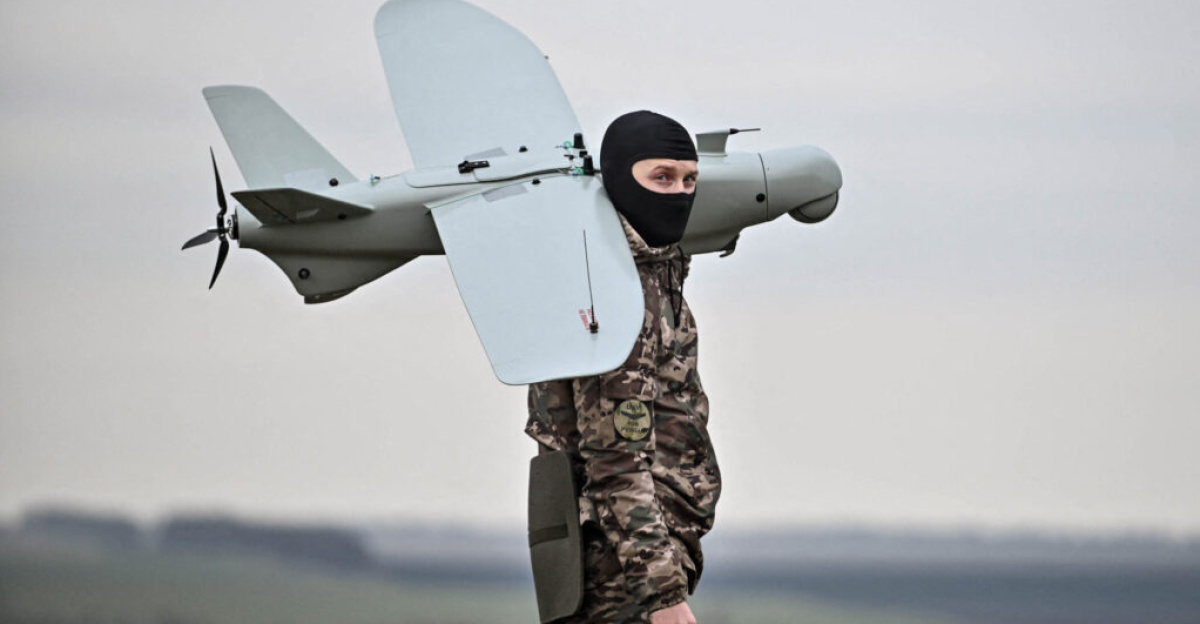
Originally a small drone element, K2 expanded rapidly as battlefield results accumulated. By late 2024, the unit was elevated to the 20th Separate Regiment of Unmanned Systems.
This reorganization reflected Ukraine’s shift toward institutionalizing drone warfare, recognizing unmanned systems as a core combat capability rather than a temporary or experimental battlefield adaptation.
FPV Drones as Precision Strike Weapons
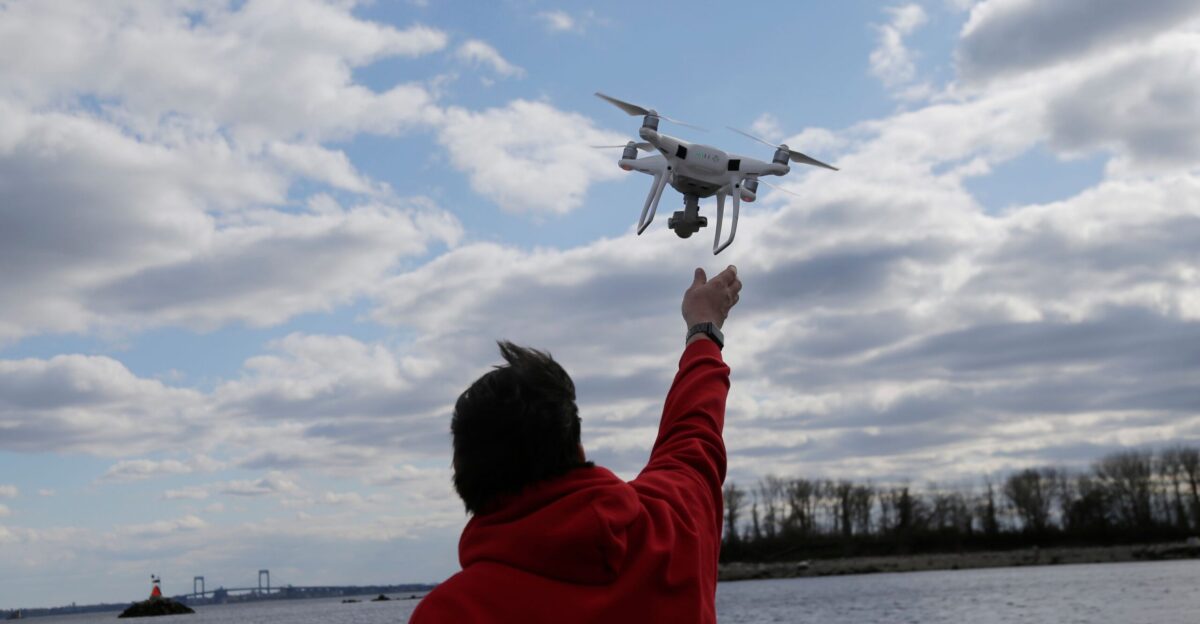
K2 relied heavily on FPV kamikaze drones adapted from civilian and hobbyist designs. Operated in real time, these drones allowed precise targeting of tanks, armored vehicles, artillery systems, and fortified positions.
Their accuracy enabled small teams to neutralize high-value targets, challenging traditional assumptions about the survivability of heavy armor under persistent aerial observation.
Establishing Persistent Kill Zones
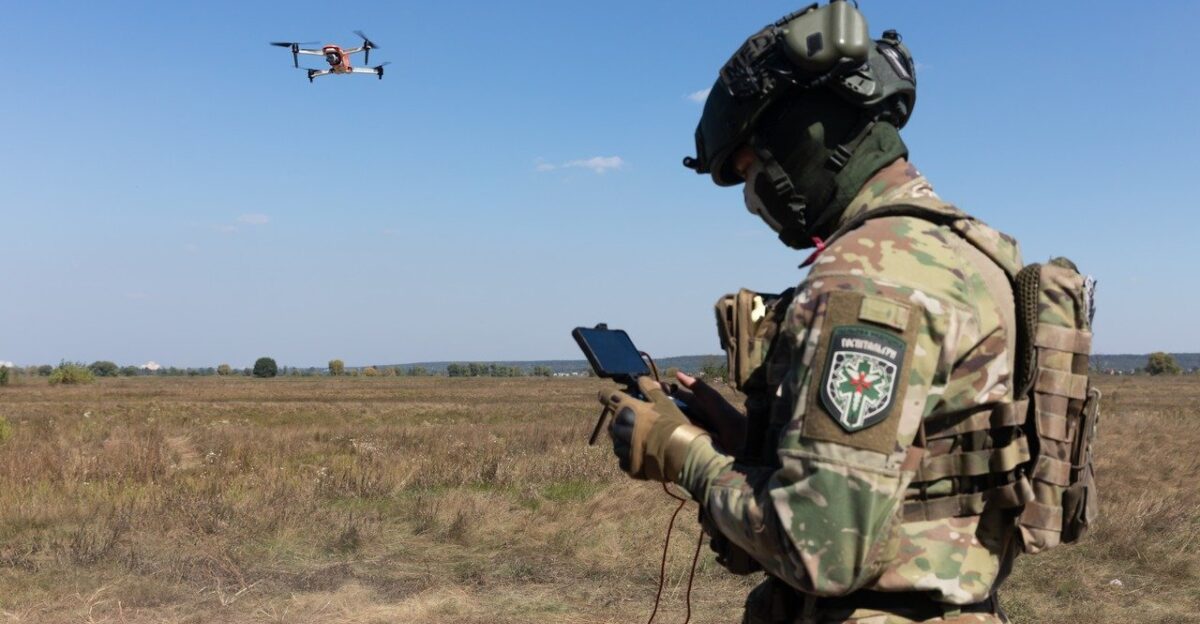
Rather than prioritizing rapid advances, K2 focused on denial. Continuous reconnaissance identified Russian movements, while FPV strikes punished attempts to maneuver.
Over time, this created kill zones where Russian forces struggled to advance or reposition. These conditions stalled offensives for extended periods, imposing steady losses without large-scale Ukrainian ground assaults.
High-Value Targets Destroyed
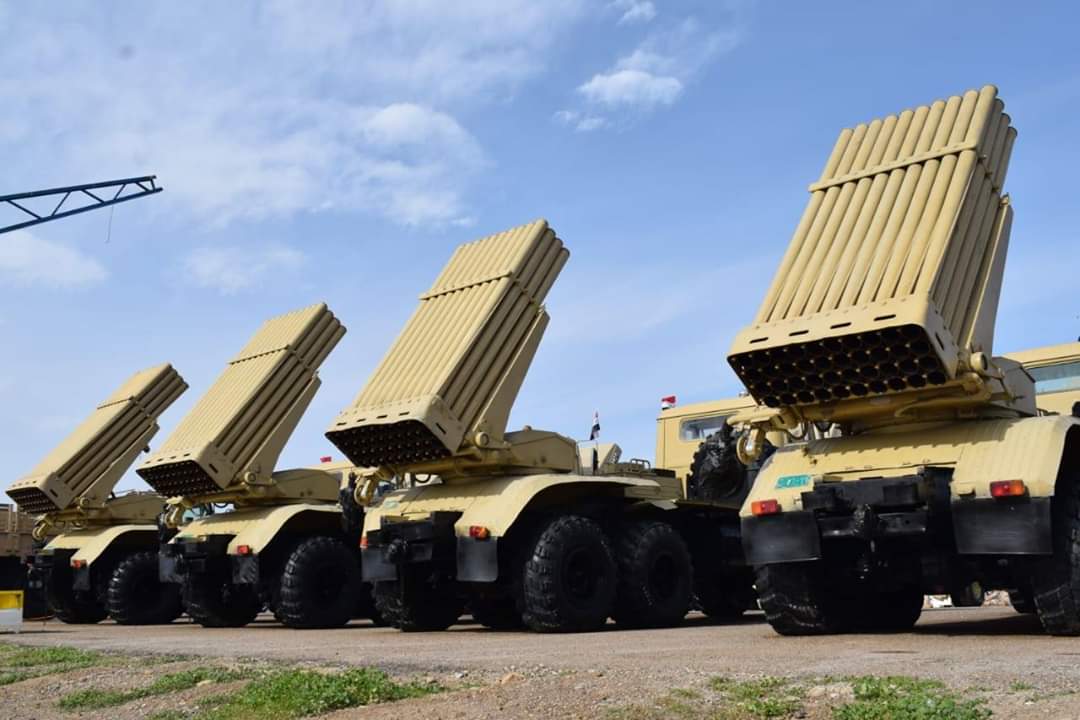
K2 drone footage documented strikes on Russian tanks, armored vehicles, and multiple-launch rocket systems, including BM-21 Grad and BM-27 Uragan platforms.
While exact totals remain difficult to independently verify, the targeted systems represent expensive and scarce assets. Their destruction compounded broader Russian equipment losses across the Donbas front.
Estimating the Financial Damage

Based on known unit costs for tanks, armored vehicles, and rocket artillery, analysts estimate that K2’s operations may account for tens to over one hundred million dollars in destroyed equipment.
The frequently cited figure of roughly $150 million reflects an estimate rather than a confirmed ledger, but it illustrates the scale of damage inflicted by tactical drone operations.
Extreme Cost Asymmetry

FPV drones used by K2 cost a fraction of the systems they destroy. Even accounting for losses and electronic warfare disruption, the economic imbalance remains stark. Destroying multi-million-dollar platforms with drones costing orders of magnitude less highlights how unmanned systems favor defenders in prolonged, attritional combat environments like eastern Ukraine.
Reconnaissance Enables Rapid Strikes
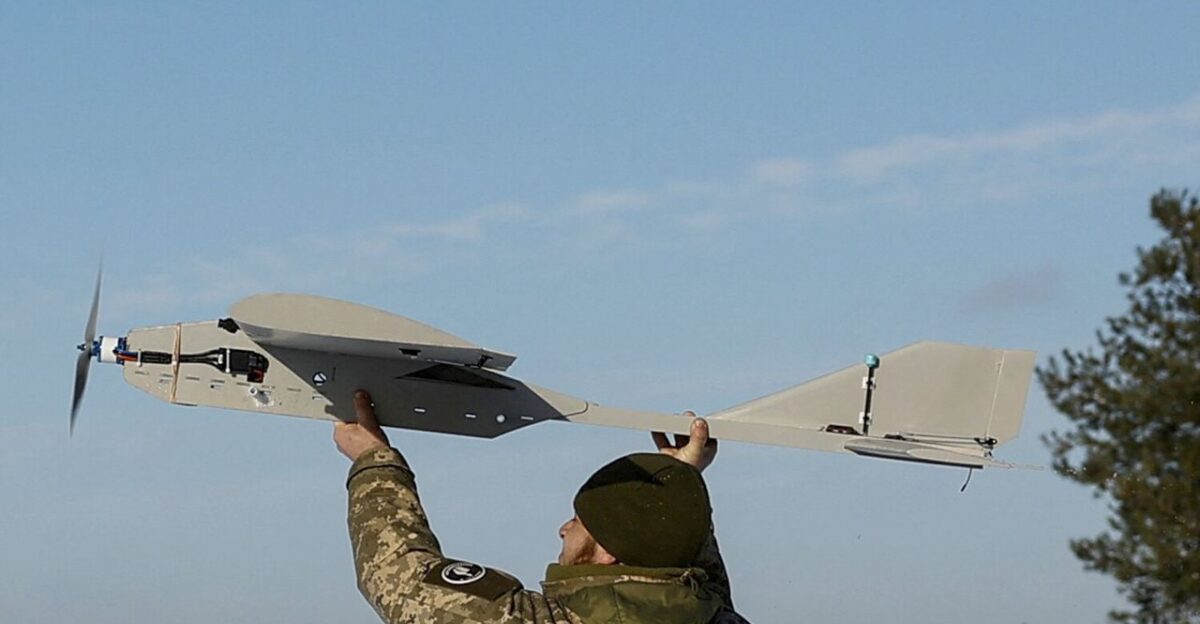
Reconnaissance UAVs were central to K2’s effectiveness. Persistent aerial surveillance detected vehicle movements, artillery deployments, and infantry concentrations.
This intelligence fed directly into FPV strike planning, reducing the time between detection and engagement and limiting opportunities for Russian forces to disperse or conceal assets once identified.
Psychological Pressure on Russian Units

Constant drone presence imposed significant psychological strain on Russian troops. Vehicles could be targeted shortly after movement, while infantry positions were rarely out of view.
This environment discouraged maneuver, slowed logistics, and eroded morale, contributing to a defensive posture even during attempted offensives.
Russian Countermeasures and Adaptation
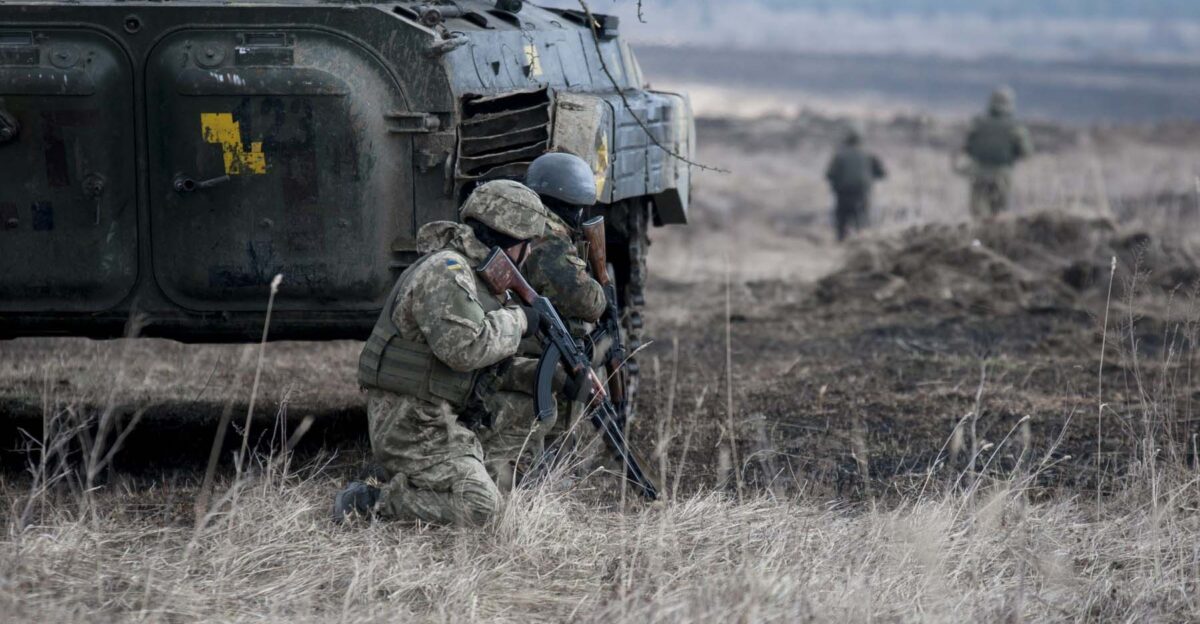
Russian forces responded by adding anti-drone cages, electronic jammers, and improvised armor to vehicles. Some newer tanks incorporated factory-installed countermeasures.
While these adaptations reduced vulnerability in certain cases, they did not eliminate the threat. K2 operators adjusted tactics to exploit exposed components and moments when defenses failed.
The Electronic Warfare Contest

Drone warfare evolved into an ongoing electronic contest. Both sides attempted to jam control signals and navigation systems, forcing frequent technical changes.
K2 operators adapted by shifting frequencies, software, and control methods, highlighting how drone combat evolves rapidly rather than following traditional, slow-moving military procurement cycles.
Integration With Artillery and Infantry
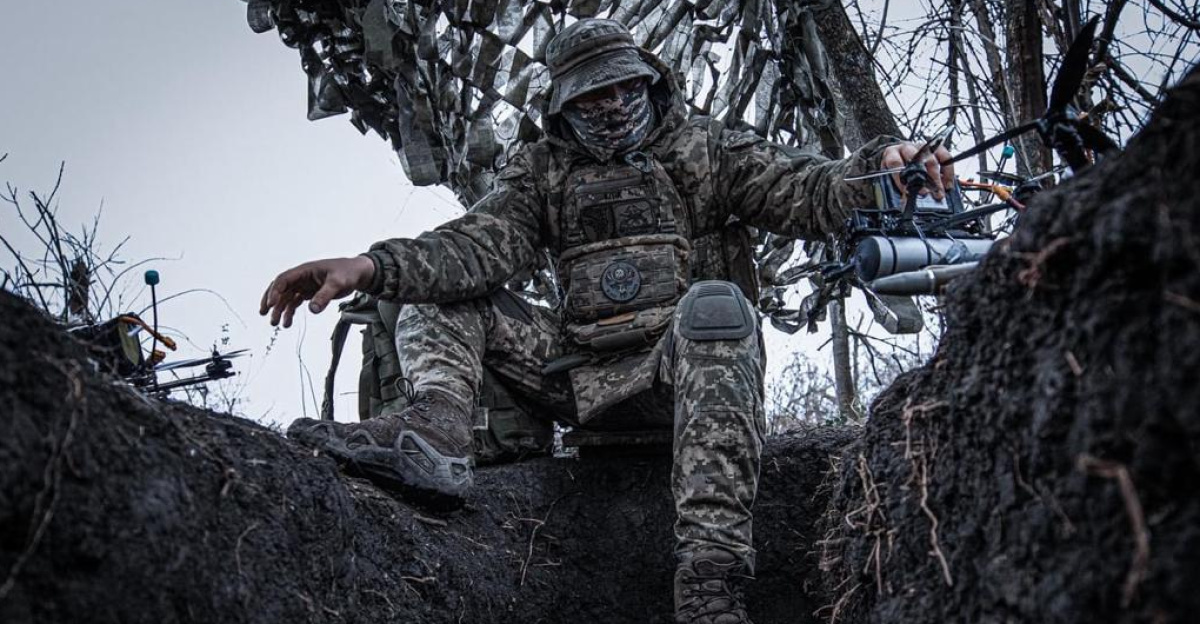
FPV drones did not operate alone. Reconnaissance UAVs frequently guided artillery and mortar fire, while FPVs completed strikes on damaged or immobilized targets.
This integration allowed Ukrainian units to maximize limited resources, combining unmanned systems with conventional firepower for greater overall battlefield effect.
Impact on Ukrainian Military Doctrine
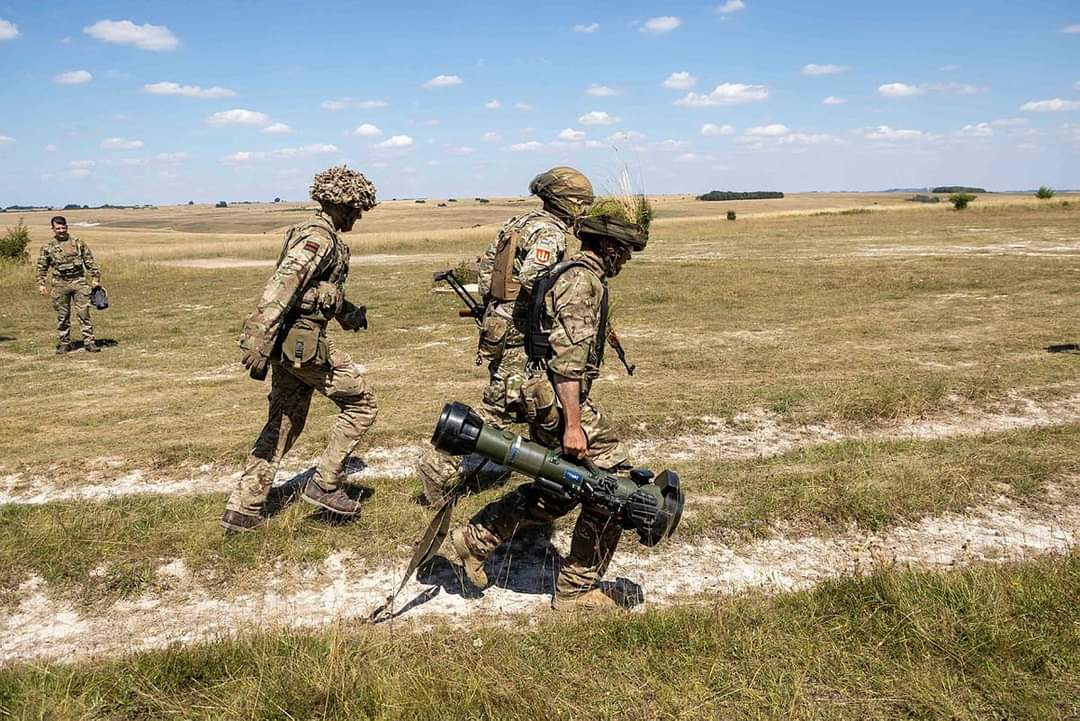
K2’s success influenced broader Ukrainian doctrine. The expansion into a dedicated regiment mirrored the creation of additional unmanned units nationwide.
Emphasis shifted toward mass drone production, decentralized operator training, and rapid innovation, reflecting recognition that drones are now a decisive component of modern warfare.
Global Military Attention
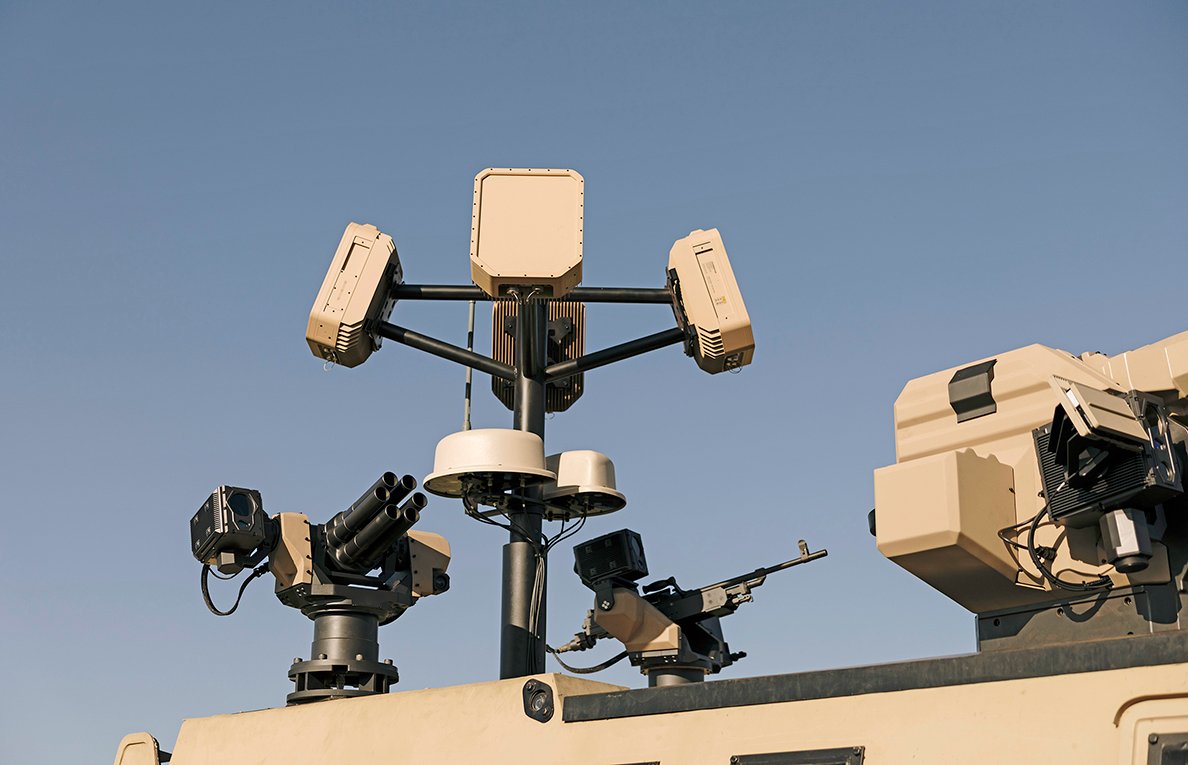
Footage and reports from K2 operations drew international attention. Militaries worldwide studied how inexpensive drones neutralized traditional armored advantages.
Training programs increasingly incorporated FPV operations and counter-drone tactics, signaling that lessons from Donbas are shaping future force planning beyond Ukraine.
A New Reality of Warfare
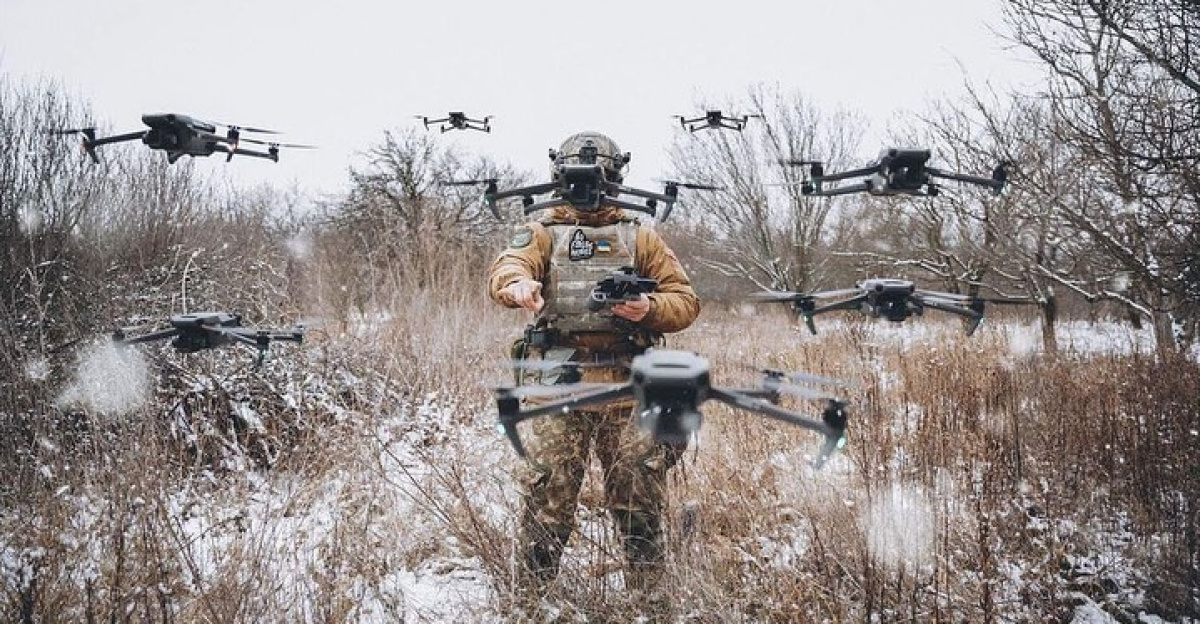
K2’s evolution demonstrates a fundamental shift in combat dynamics. Precision, adaptability, and affordability now rival mass and armor.
While drones have not replaced soldiers or heavy weapons, they have permanently altered the cost-benefit balance of warfare, making traditional mechanized advances far more risky in the age of persistent aerial surveillance.
Sources:
- Wikipedia: “20th Unmanned Systems Brigade”.
- Business Insider: “Russian attack drones account for 90% of Ukrainian…”.
- Bulgarian Military: “Russia deploys fresh tanks with anti-drone tech from factory”.
- GSSR Georgetown: “A First Point View: Examining Ukraine’s Drone Industry”.
- Foreign Policy: “Ukraine Needs More Drones”.
- Ukrinform: “Ukrainian forces destroy Russian Uragan MLRS and its crew”.