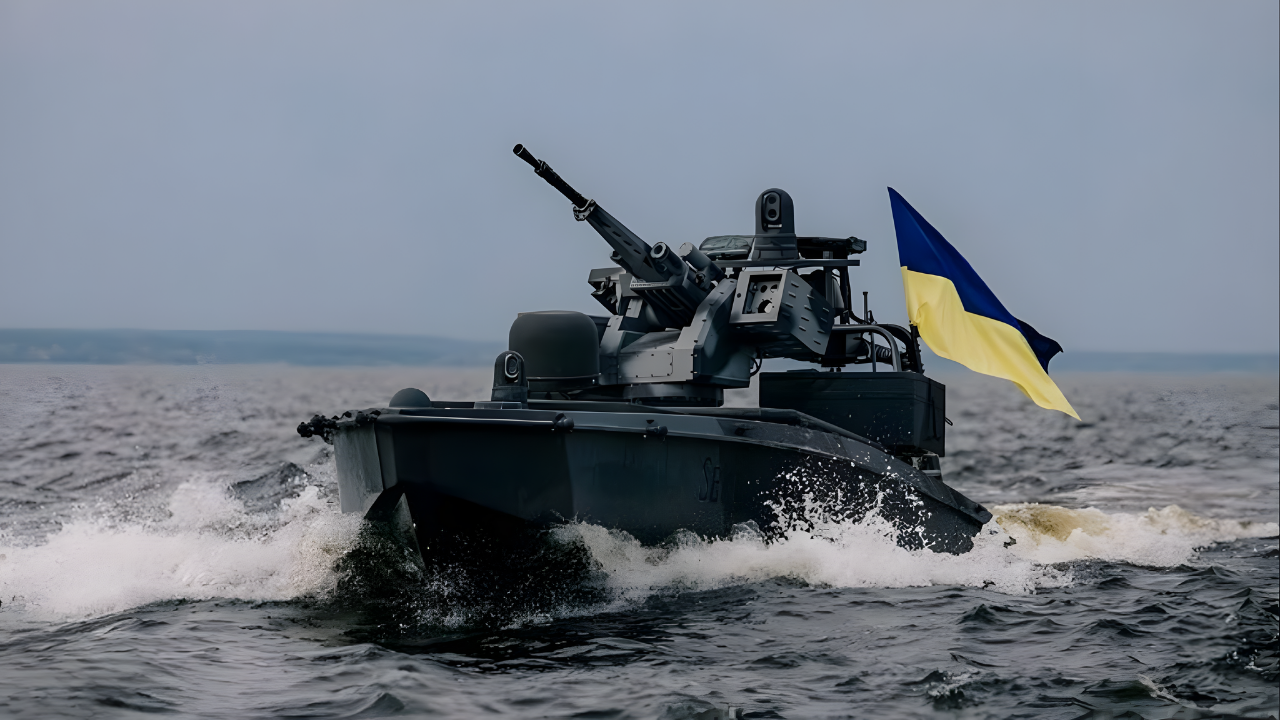
In late November 2025, Ukraine’s Security Service (SBU), working with the Ukrainian Navy, launched a coordinated series of naval drone strikes against Russia’s sanction-evading “shadow fleet.” Three oil tankers—Kairos, Virat, and Mersin—were damaged in the Black Sea and off West Africa.
The attacks disabled vessels capable of transporting oil worth nearly $70 million, stranded crews, and marked Ukraine’s first confirmed strikes on shadow fleet shipping beyond Russian territorial waters.
What the Shadow Fleet Is and Why It Matters
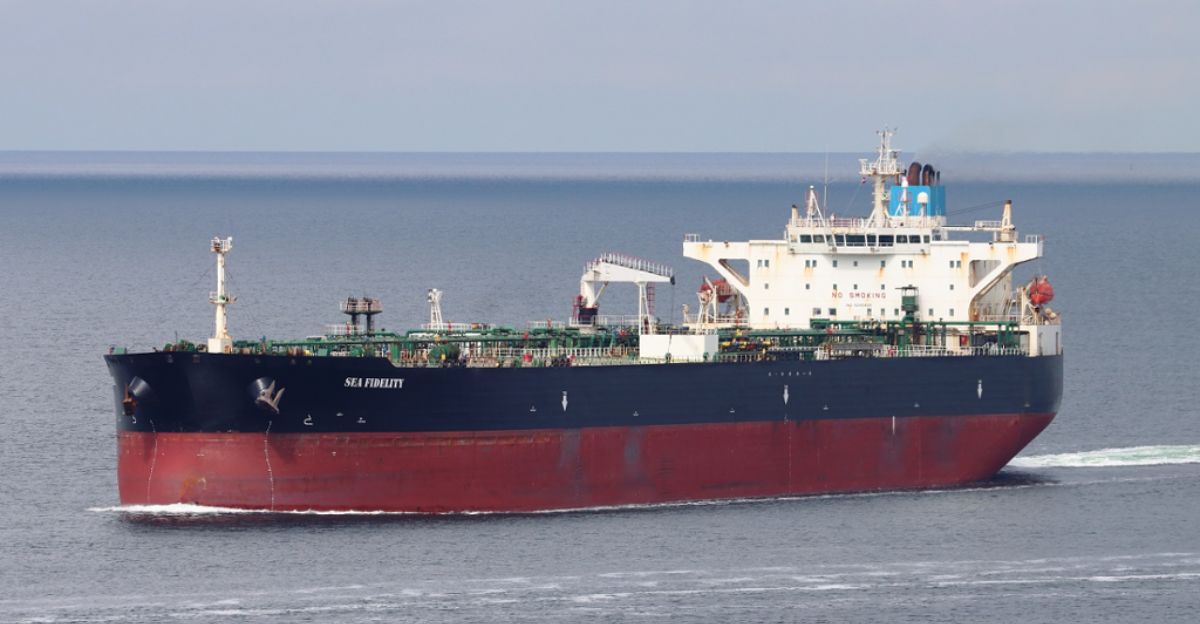
Russia’s shadow fleet consists of aging oil tankers operating through opaque ownership structures, flags of convenience, and disabled tracking systems to bypass Western sanctions. These ships are critical to sustaining Russian oil exports despite G7 price caps.
By targeting these vessels, Ukraine aims to directly disrupt revenue streams funding Russia’s war effort, shifting pressure from land battlefields to global maritime trade routes.
Strategic Goal Behind the Strikes
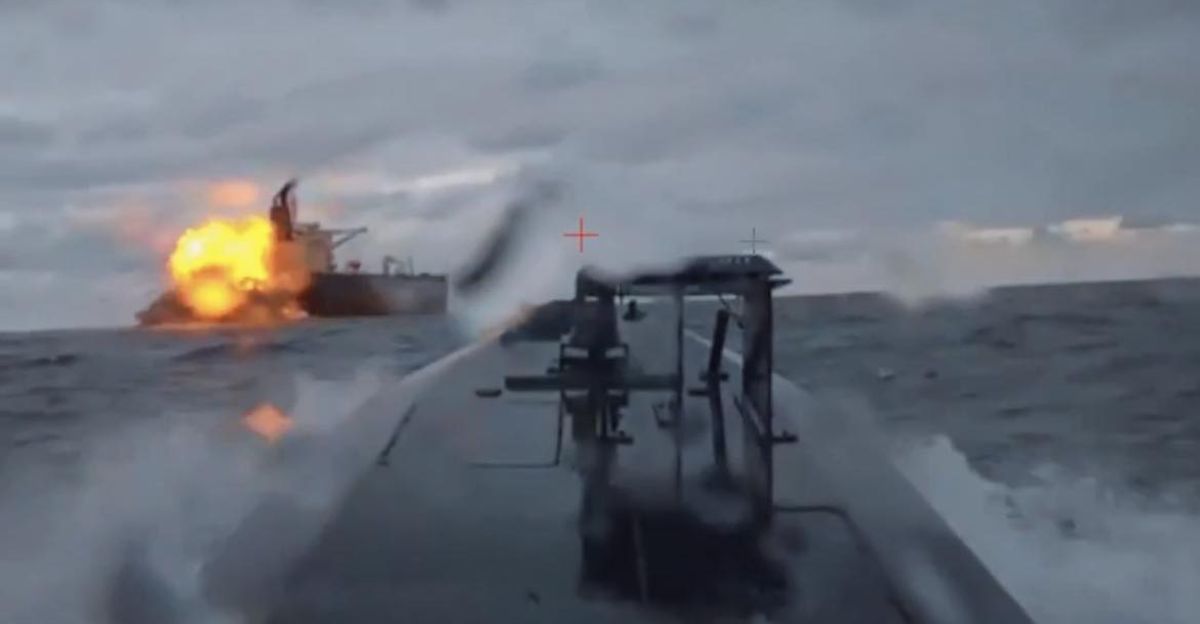
According to an SBU source, the Sea Baby operations were designed to disable ships that could transport almost $70 million worth of oil while helping Moscow circumvent sanctions.
President Volodymyr Zelenskyy had publicly urged international partners in October 2025 to strengthen enforcement against the shadow fleet, arguing that weak maritime oversight undermines sanctions and prolongs the war.
The Sea Baby Naval Drone Explained
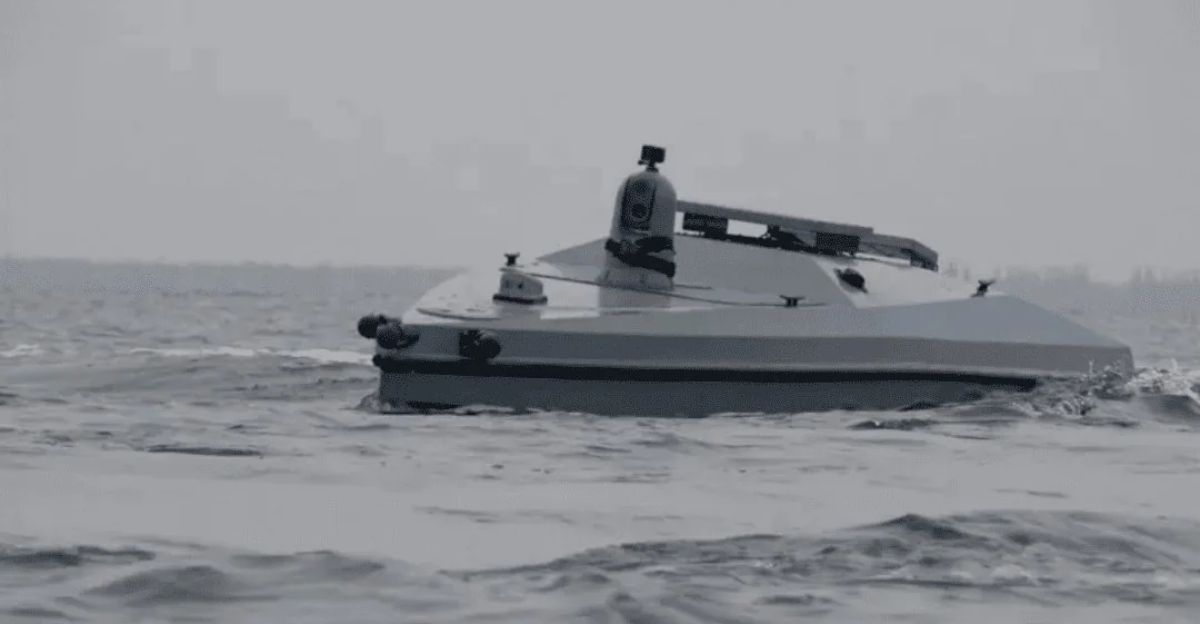
Sea Baby drones are Ukrainian unmanned surface vessels developed for long-range maritime strikes. Compact, fast, and difficult to detect, they are remotely guided and packed with explosives.
Previously used primarily in the Black Sea, these drones have damaged major Russian naval assets. The 2025 operations showed their adaptability, precision, and expanding operational reach.
Tanker Kairos Hit in the Black Sea
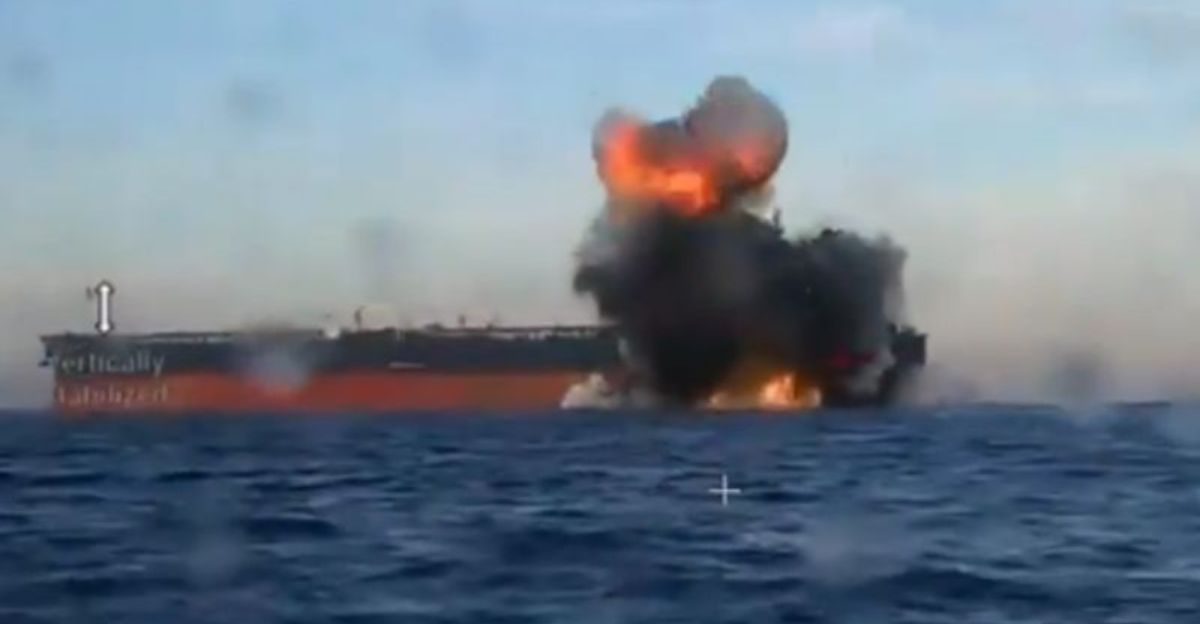
The sanctioned crude tanker Kairos was struck in the Black Sea in late November 2025. The attack caused critical damage, leaving the ship without power, heat, or propulsion.
After being towed, the vessel grounded roughly six miles off Bulgaria’s coast on December 5. Bulgarian authorities confirmed the tanker was immobilized and posed navigational and safety concerns.
Kairos Crew Stranded Near NATO Territory
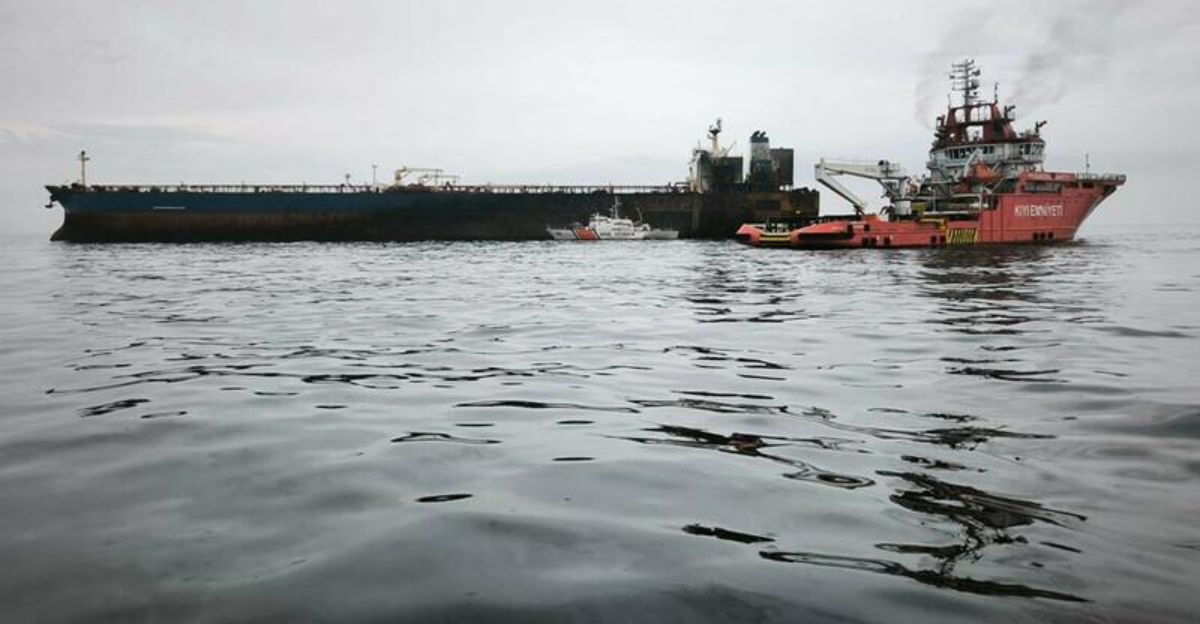
Following the grounding, Kairos’ crew endured days aboard a powerless vessel in winter conditions. The Bulgarian Navy airlifted several crew members to shore for safety.
The incident effectively ended Kairos’ operational role in Russia-linked oil transport, demonstrating how even a single drone strike can permanently remove a tanker from the shadow fleet.
Virat Disabled Off Turkey
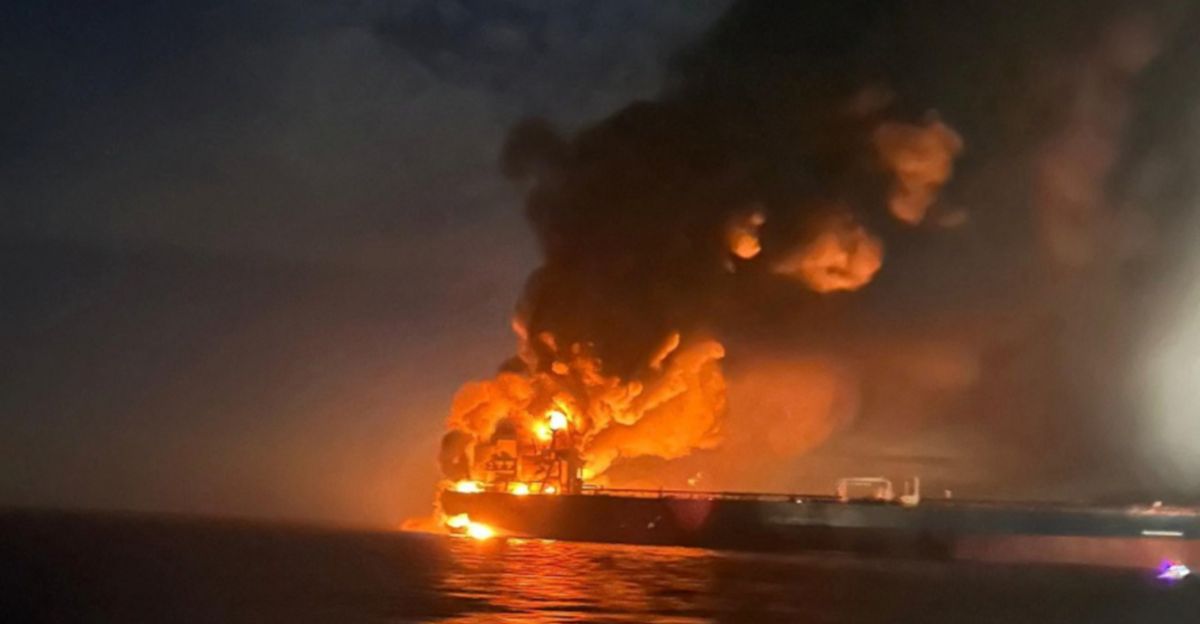
Another sanctioned tanker, Virat, was struck in the Black Sea off the Turkish coast during the same late-November window.
The vessel sustained severe damage that rendered it inoperable. Virat had previously transported Russian oil using complex ownership and management arrangements designed to evade international oversight and price caps.
Virat’s Role in Sanctions Evasion
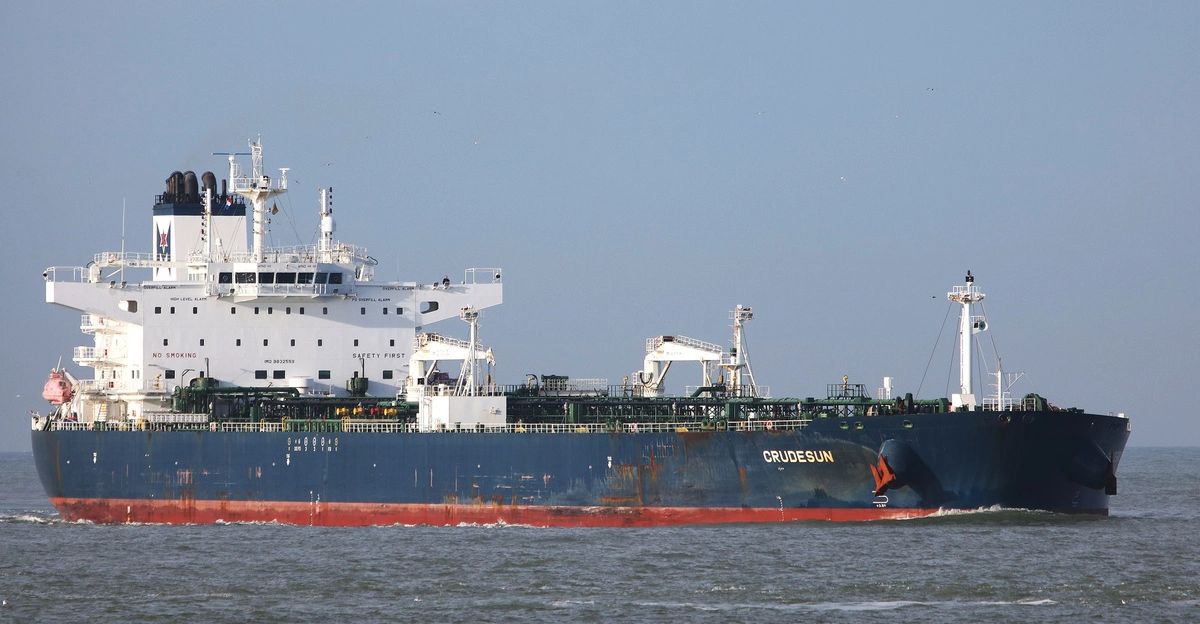
Virat operated through companies registered outside Russia, routing oil shipments toward markets such as India. These operations exploited gaps in enforcement and relied on limited transparency in maritime ownership.
Its removal from service dealt a financial blow not only to Russia’s export system but also to intermediaries facilitating sanction-dodging trade.
Mersin Struck Off Senegal
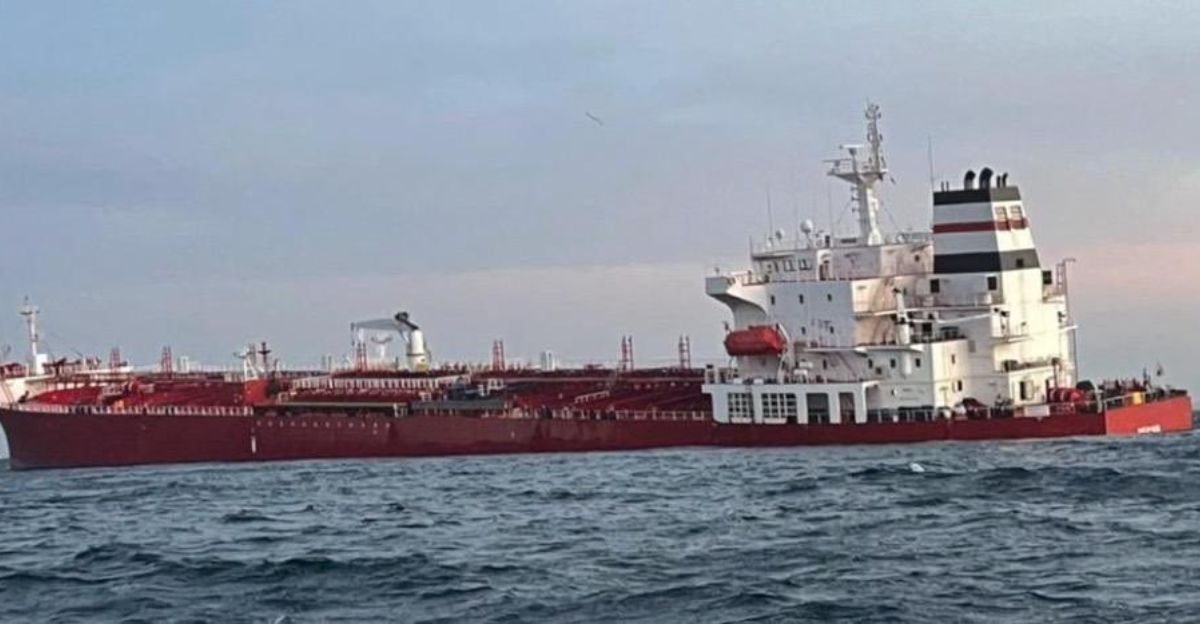
The most dramatic strike involved the tanker Mersin, hit while anchored off Dakar, Senegal, on November 30, 2025.
Explosions flooded the engine room with seawater, leaving the vessel partially submerged. At the time, Mersin carried approximately 30,000 tons of diesel, raising serious environmental and maritime safety concerns.
First Ukrainian Strike Off West Africa
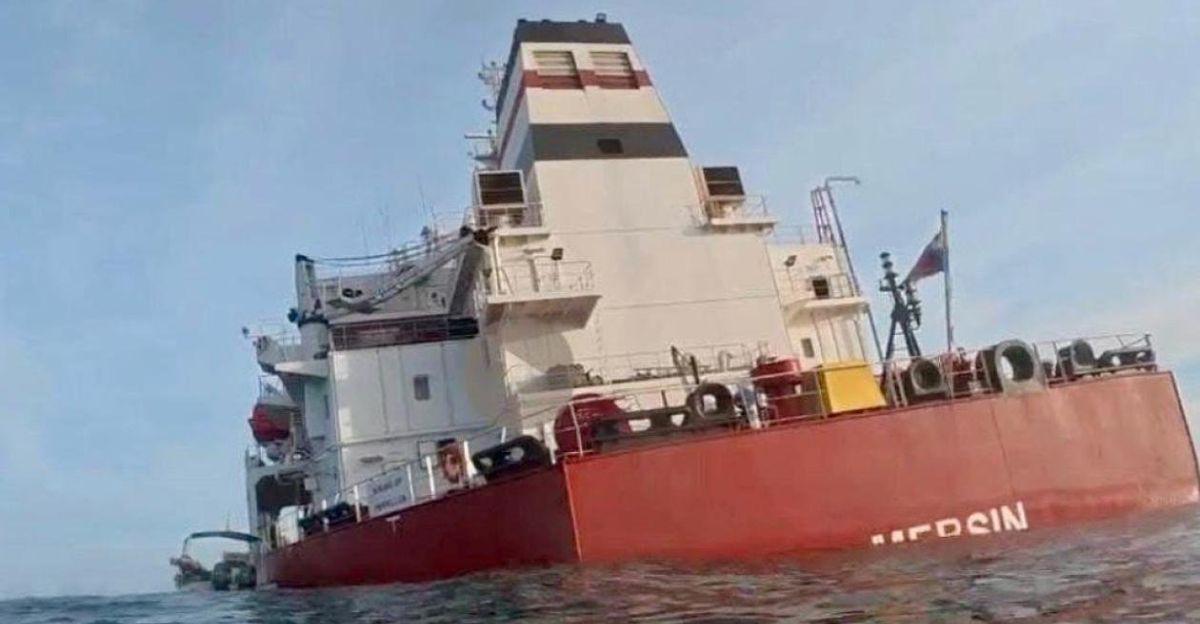
The Mersin attack marked Ukraine’s first confirmed naval action off West Africa, thousands of miles from the Black Sea.
While Ukraine did not publicly detail how the operation was executed, the strike demonstrated unprecedented reach and coordination. It underscored that shadow fleet vessels may now be vulnerable far beyond traditional war zones.
Crew Rescues and Human Impact
Across the three tankers, as many as 200–300 crew members were affected. Mersin’s crew was rescued by Senegalese authorities, while Virat’s crew was evacuated after damage and onboard emergencies.
These incidents highlight the growing human risk faced by seafarers working aboard sanction-evading vessels.
Environmental Risks Off Senegal

Mersin’s partial submersion created ongoing spill risks off Senegal’s coast. A release of diesel fuel could threaten fisheries, coastal ecosystems, and local livelihoods near Dakar.
As of early December 2025, the tanker remained anchored offshore, with authorities monitoring the situation to prevent a large-scale environmental disaster.
Turkish Shipping Firm Pulls Back
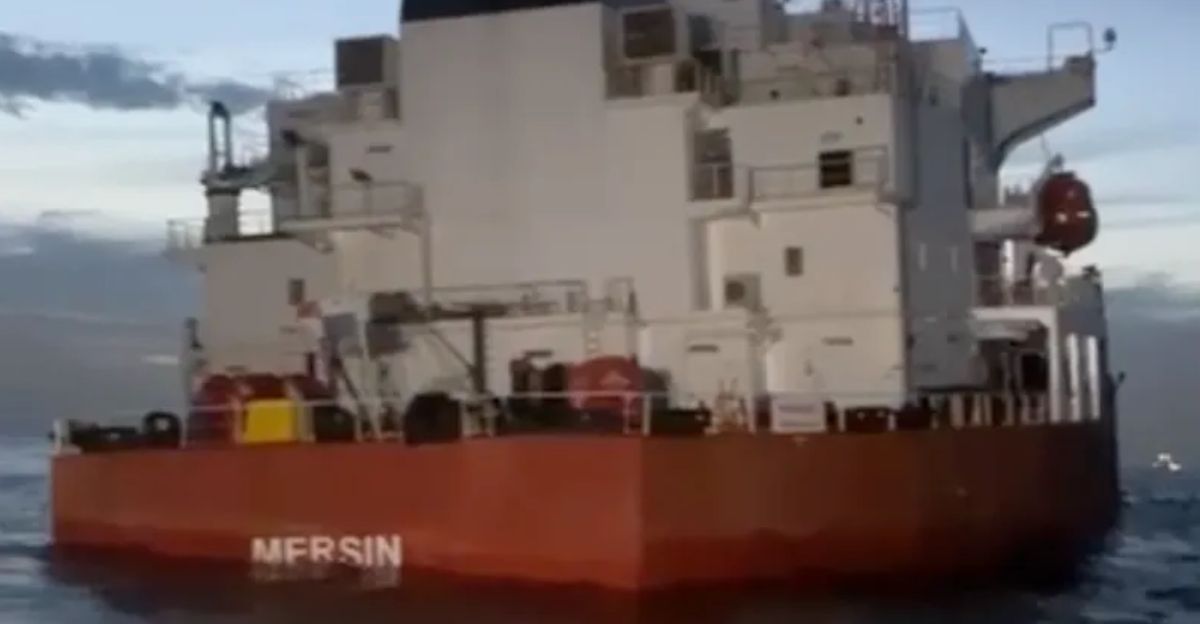
On December 3, 2025, Besiktas Shipping, the Turkish technical manager of Mersin, announced it would immediately cease all Russia-related voyages.
The company cited escalating security risks. This marked a rare public withdrawal by a major shipping operator directly linked to Ukraine’s drone campaign.
Rising Costs for Shadow Fleet Operators
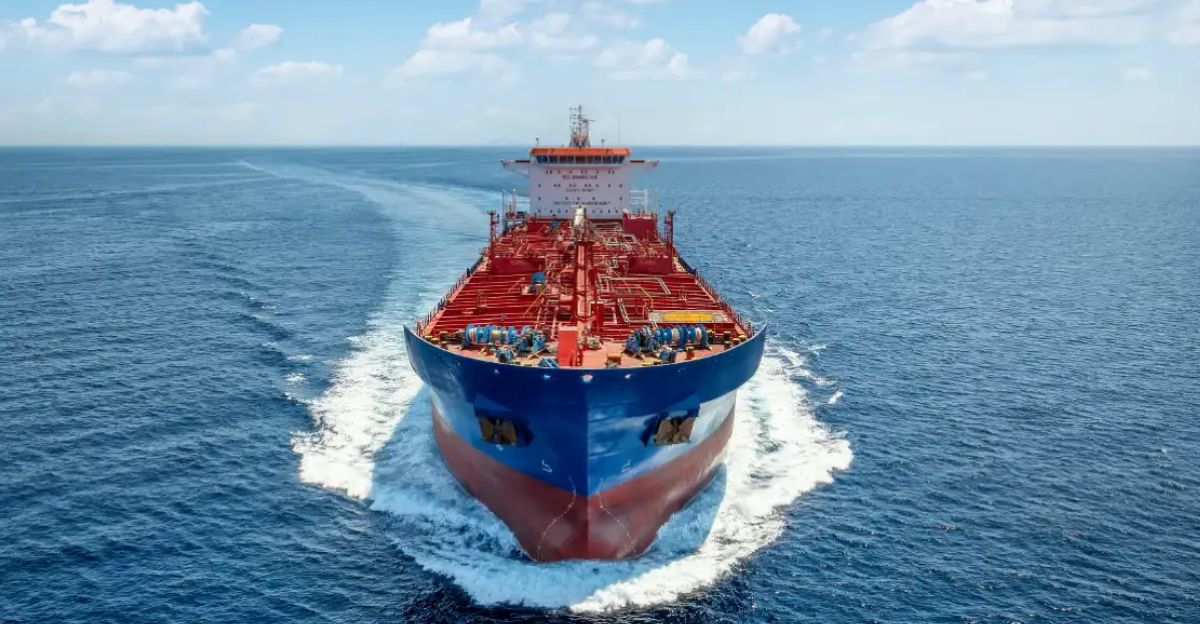
Following the strikes, insurance premiums for Russia-linked tankers increased, while port access and towing services became harder to secure. Older vessels—many over 15 years old—now face higher risks of abandonment or scrapping. Smaller operators are increasingly unable to absorb the financial and security pressures.
Sanctions Enforcement Gains Momentum
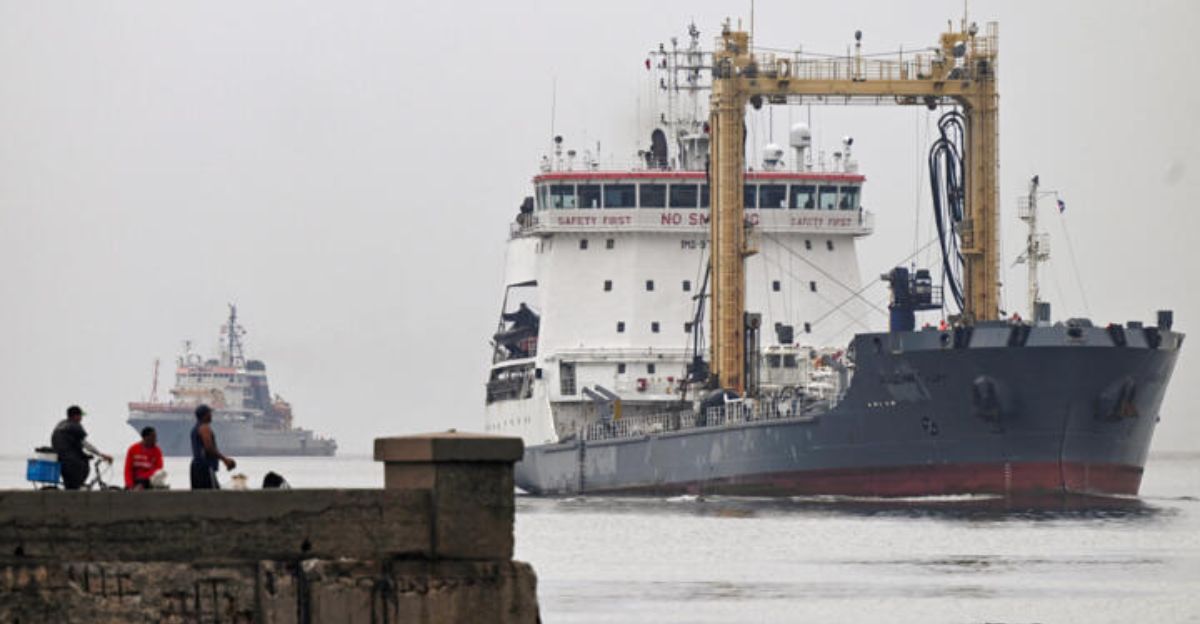
Europe and the United States have sanctioned hundreds of shadow fleet vessels, but enforcement remains uneven. Ukraine’s actions add physical risk to legal pressure, reinforcing sanctions by making evasion dangerous.
Zelenskyy’s call for tougher enforcement gained urgency as disabled ships became visible proof of vulnerability.
Impact on Global Oil Routes
Disruptions to shadow fleet shipping complicate Russia’s oil exports to Asia, particularly India and China. Tankers are increasingly forced onto longer, costlier routes or kept idle. These changes add friction to already strained global energy logistics, especially amid wider maritime security challenges.
Asymmetric Maritime Warfare Evolves
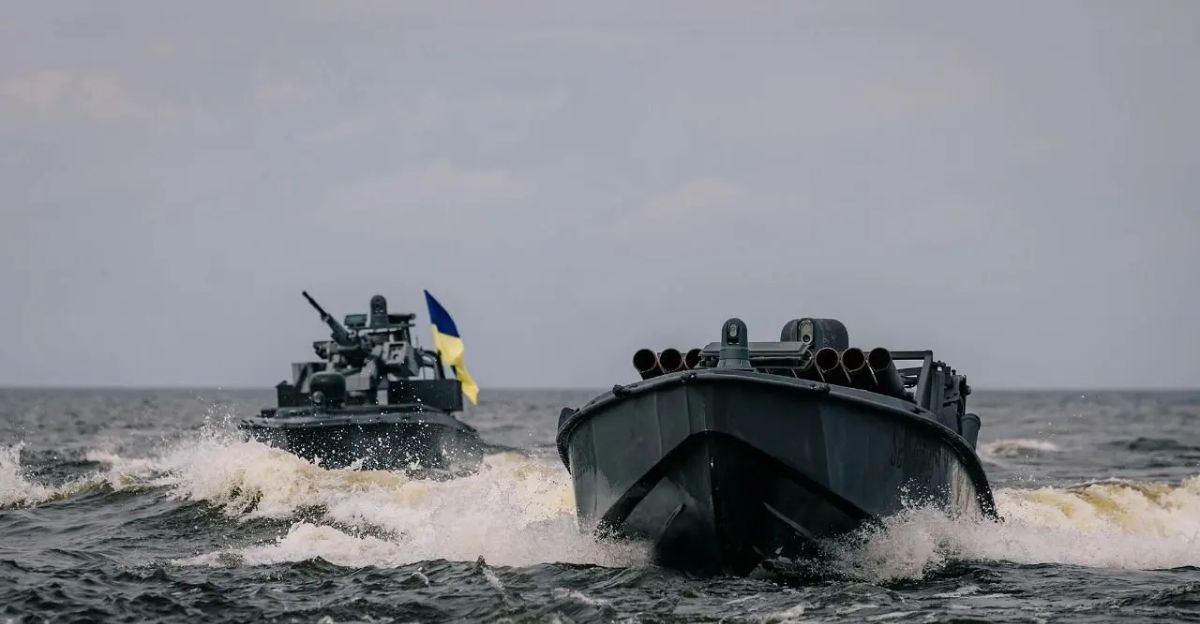
The Sea Baby campaign illustrates how relatively low-cost drones can challenge high-value commercial shipping.
Ukraine has adapted naval warfare principles to target economic lifelines rather than warships alone, expanding the concept of maritime conflict into sanction enforcement and global trade disruption.
Warning to Shipowners Worldwide
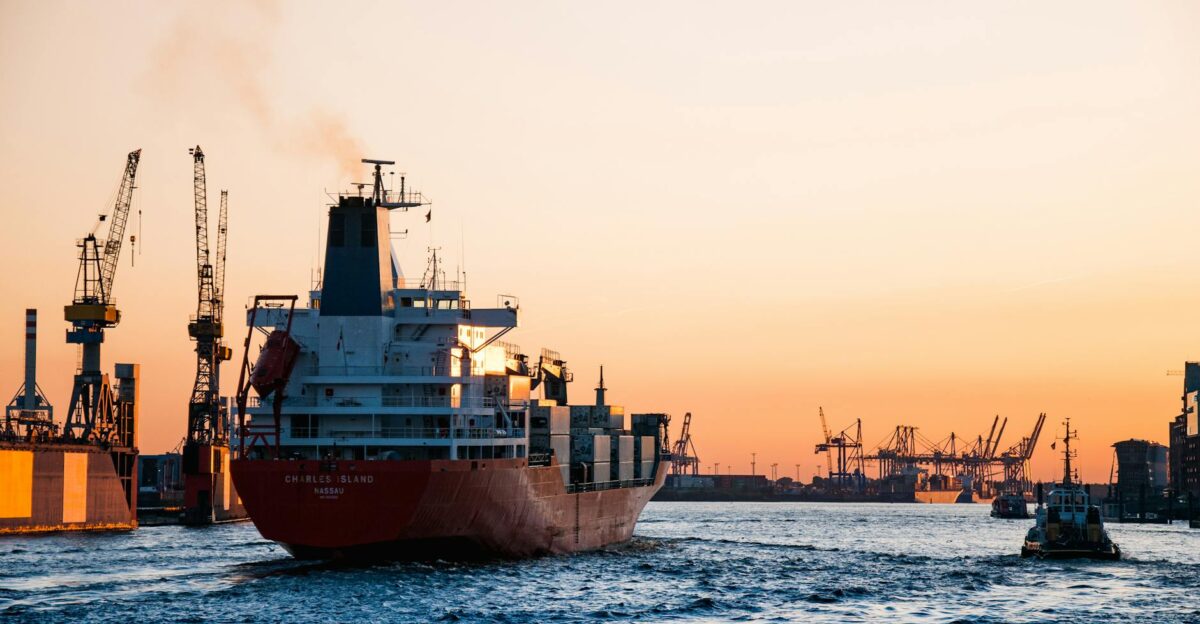
The strikes send a clear signal to shipowners and managers: participation in Russia’s shadow fleet now carries physical danger. Even vessels operating far from Ukraine may be exposed.
This risk calculus could deter future involvement and accelerate the breakdown of sanction-evasion networks.
Russia’s Likely Response
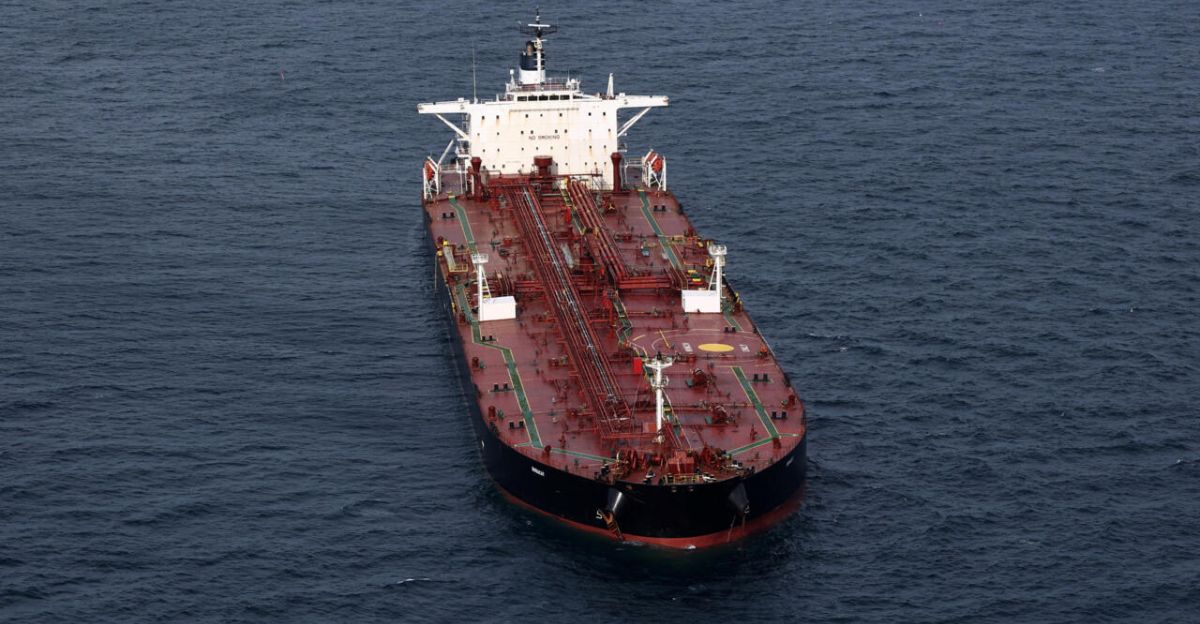
Russia is expected to enhance security measures, explore counter-drone defenses, and pressure partners to protect shipping.
However, the diffuse nature of the shadow fleet limits centralized protection. Each additional safeguard increases operating costs, reducing profitability and effectiveness over time.
A New Phase in the Maritime War
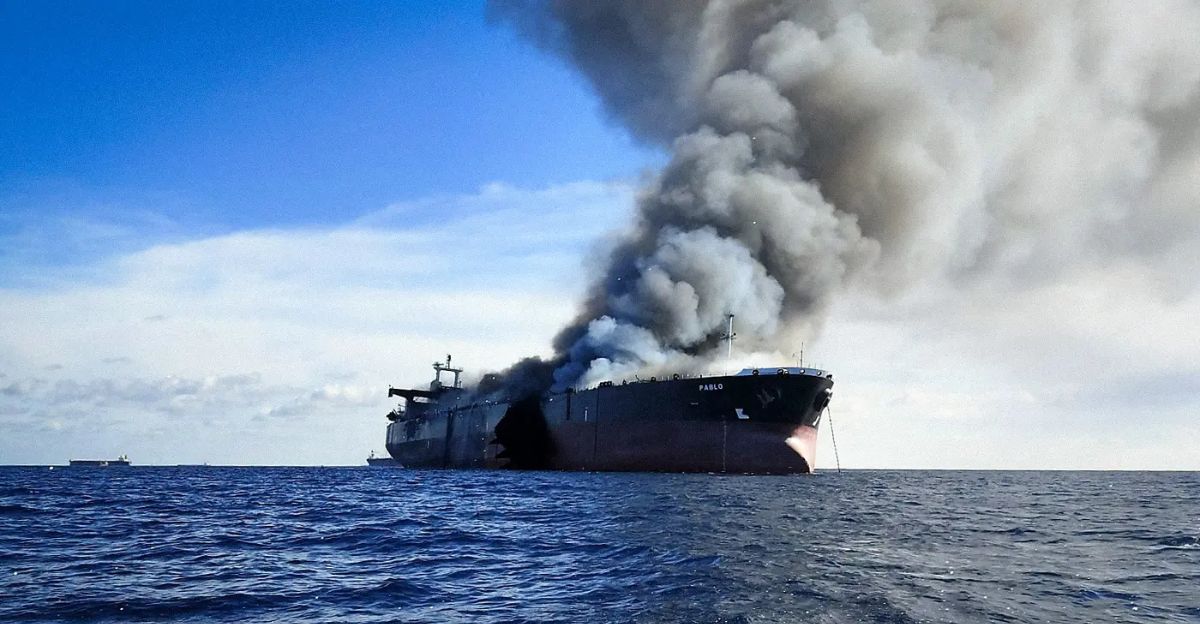
Ukraine’s late-November 2025 strikes represent a turning point in maritime warfare and sanctions enforcement.
By disabling three tankers across two seas, Kyiv demonstrated global reach and strategic intent. The shadow fleet, once a quiet workaround, has become an exposed and increasingly risky lifeline for Russia’s war economy.
Sources:
- MSN (rehosting Newsweek): Articles on Ukraine’s Sea Baby drone strikes on Russian shadow fleet tankers (Kairos, Virat, Mersin), crew strandings, and related impacts; published December 2025.
- Kyiv Independent: Coverage of Virat tanker strike, shadow fleet sanctions, shipping route changes, and future maritime warfare developments; published December 2025.
- YouTube (What’s Going on With Shipping?): Video analysis of shadow fleet operations, owner impacts, and shipping adaptations; published November 30, 2025.