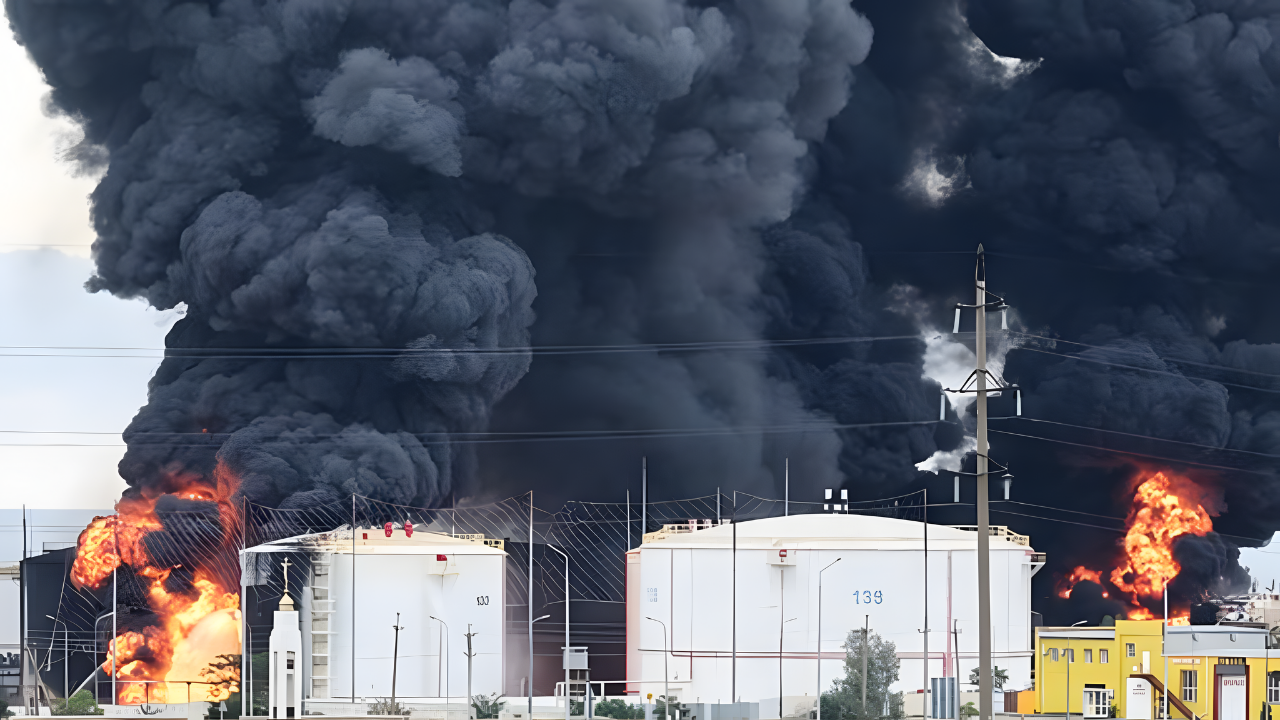
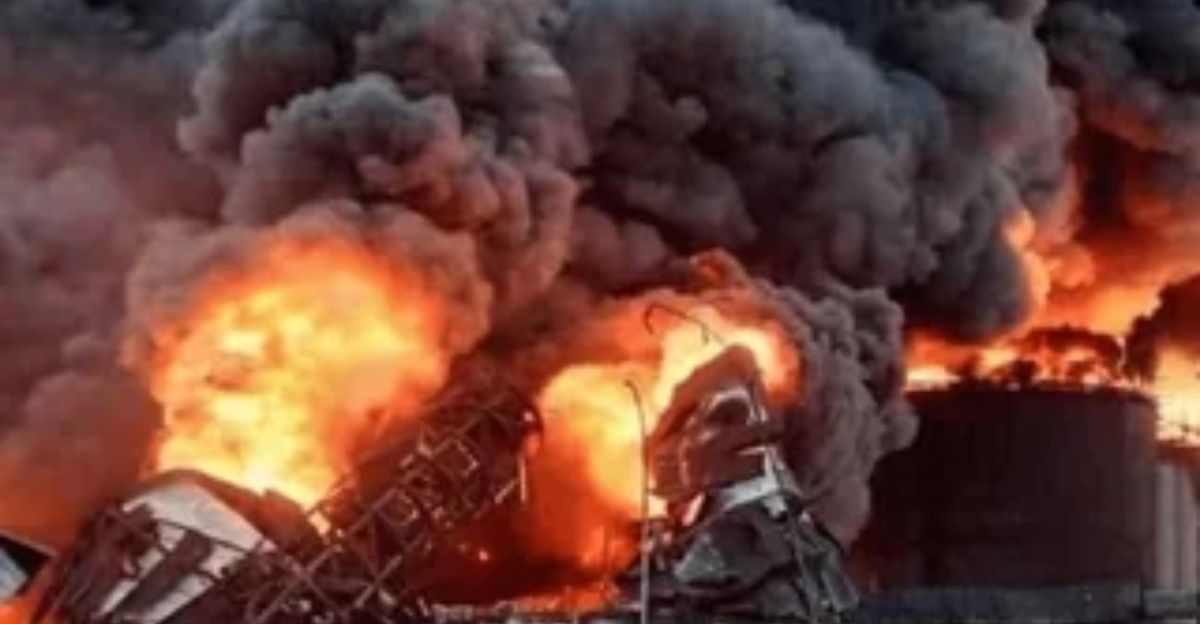
As explosions erupted in the night sky over Donetsk and Luhansk on December 7-8, 2025, Ukraine’s Special Operations Forces unleashed their precision strike on Russian military infrastructure. Drones descended upon a massive fuel depot in Simeikyne, Luhansk Oblast, turning storage tanks into fiery infernos. In Donetsk, a tactical warehouse full of drones and warheads was obliterated in seconds. This was part of Ukraine’s escalating campaign to strike deep behind enemy lines. The implications were immediate: key Russian assets were gone in a matter of moments.
But how did Ukraine’s Special Forces pinpoint and hit two vital Russian targets in one night? What does this mean for Russia’s ongoing operations in the region? The strategic significance of these strikes extends far beyond the immediate military impact.
A War of Logistics: Why Fuel and Drones?
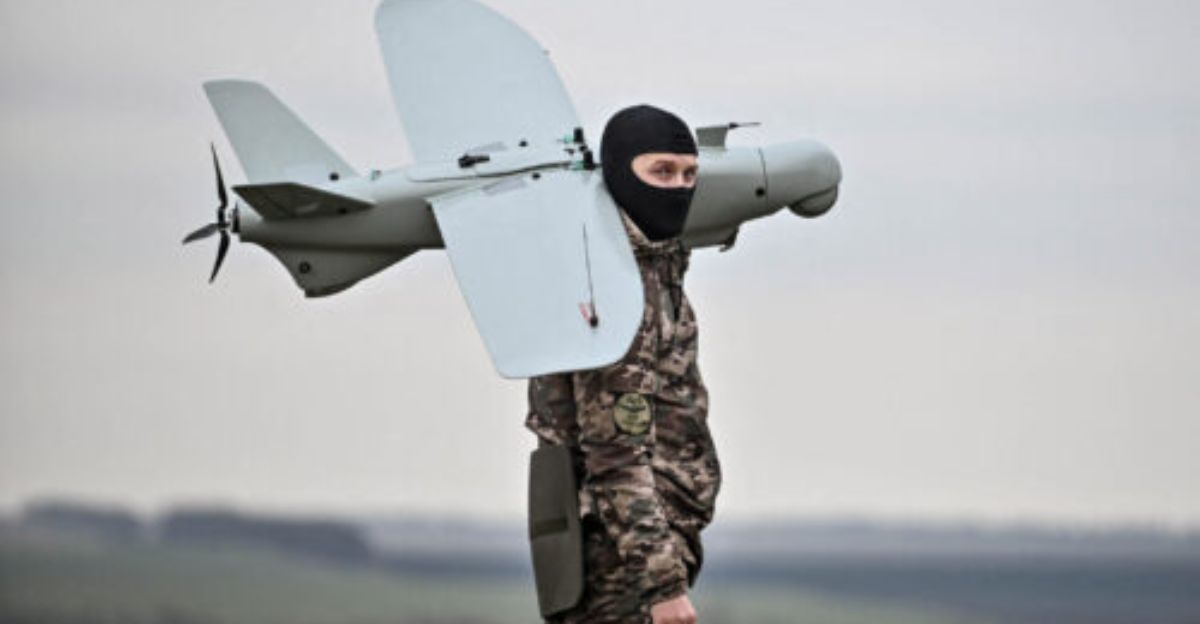
Ukraine’s decision to hit these key targets highlights the strategic importance of disrupting Russian supply chains. By targeting drone arsenals and fuel depots, Ukraine cripples Russia’s ability to maintain mobility and surveillance in the ongoing conflict.
These strikes aim to slow Russian advancements by cutting off key resources and strategic reconnaissance capabilities.
Fuel Shock: 6,000 Cubic Metres Gone
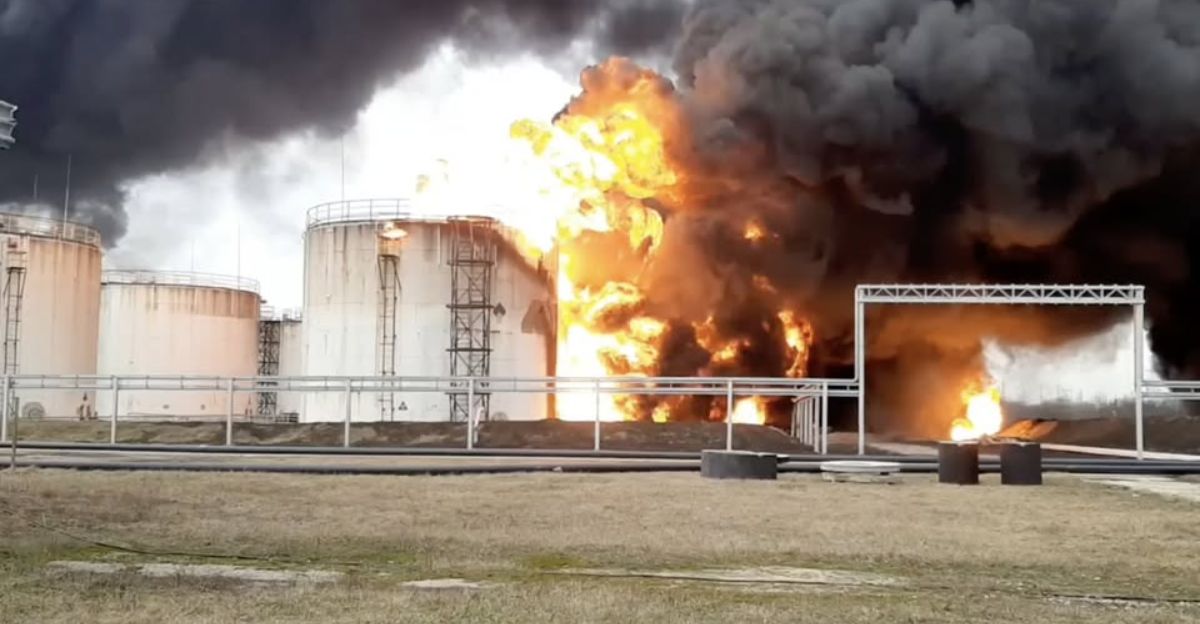
The fuel depot in Simeikyne, Luhansk Oblast, stored approximately 6,000 cubic meters of fuel—enough to fuel thousands of Russian combat sorties.
This destruction is poised to create significant fuel shortages, exacerbating Russia’s already strained logistical challenges in the region.
Drone Deficit: A Devastating Blow to Russian Reconnaissance
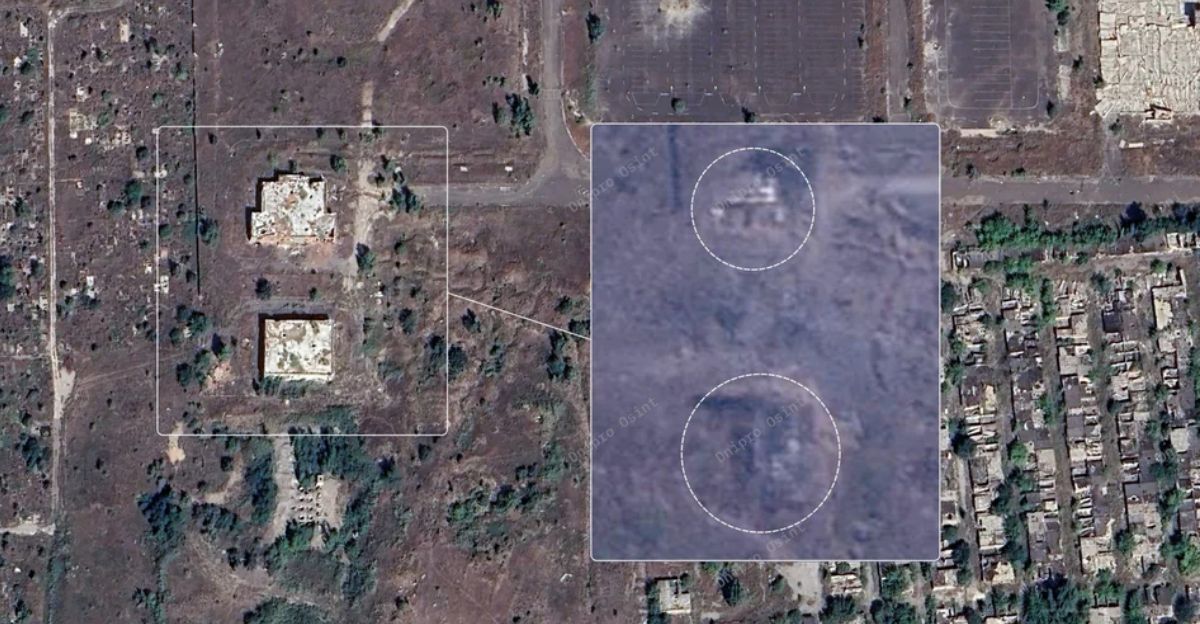
The Donetsk warehouse destruction dealt a severe blow to Russia’s 9th Separate Motor Rifle Brigade. The warehouse contained a significant number of tactical drones and warheads, crucial for short-range reconnaissance and precision strikes.
With these drones destroyed, Russia faces a significant shortfall in ISR (Intelligence, Surveillance, and Reconnaissance) capabilities.
A Broader Campaign on Russian Oil Infrastructure
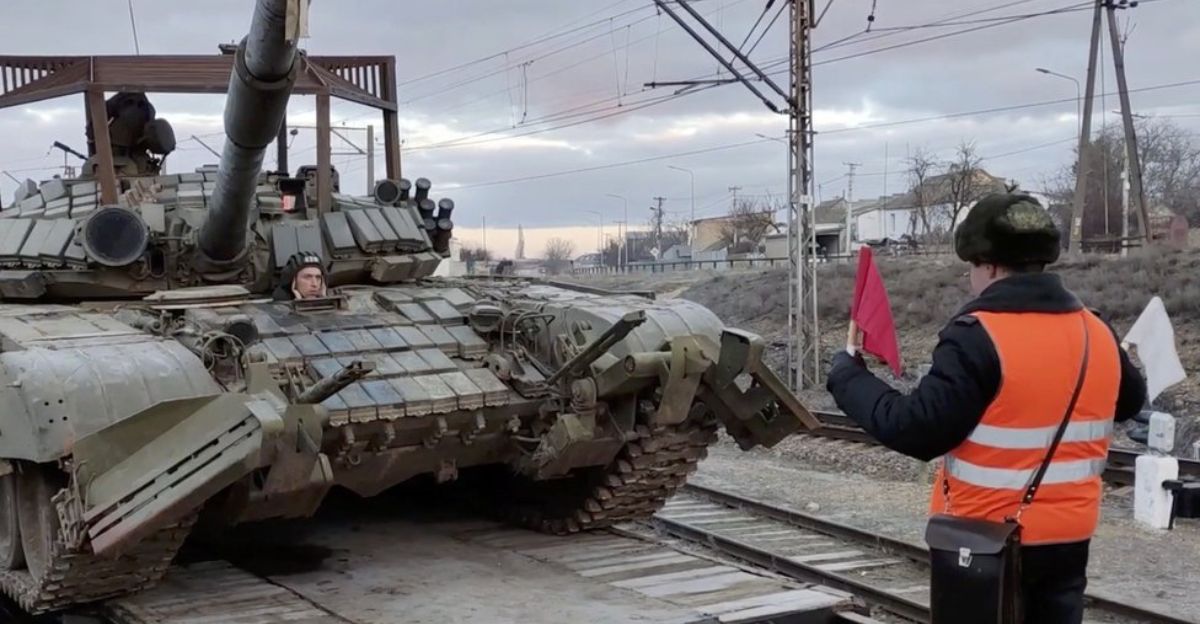
This strike is part of a sustained Ukrainian campaign of drone attacks on Russian refineries and depots. Ukraine has escalated these operations dramatically through 2025, with 21 of Russia’s 38 major refineries targeted since January 2025—representing a 48% increase in successful attacks compared to the entirety of 2024. By targeting these facilities, Ukraine weakens Russia’s ability to maintain fuel supplies for military operations, directly impacting their warfighting capacity.
In November 2025 alone, Ukraine carried out at least 14 drone attacks on Russian oil refineries—a new monthly record. Major refineries struck include the Afipsky plant near Krasnodar, Rosneft’s Ryazan refinery (which has been offline since mid-November), and Lukoil’s Volgograd refinery. Russia’s average daily refining volume has fallen to around 5 million barrels per day—down from the 5.3-5.5 million barrels typically processed in late autumn—representing approximately 20% of Russia’s refining capacity at least temporarily dismantled.
Global Fuel Markets and Supply Disruptions
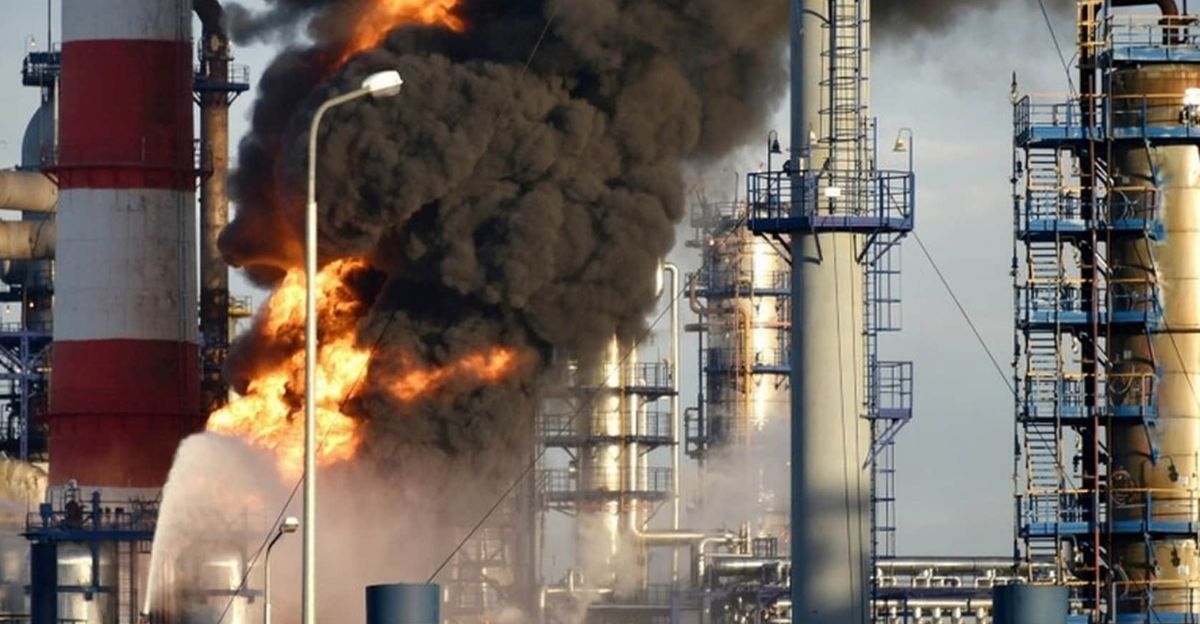
The destruction of key oil infrastructure in Russia has sparked significant concern in global markets. With several facilities now severely damaged or destroyed, the reliability of Russian oil exports has been compromised.
Russia’s fuel export restrictions and the halting of operations at multiple refineries are creating broader market impacts on global fuel availability.
The Human Toll of Fuel Fires
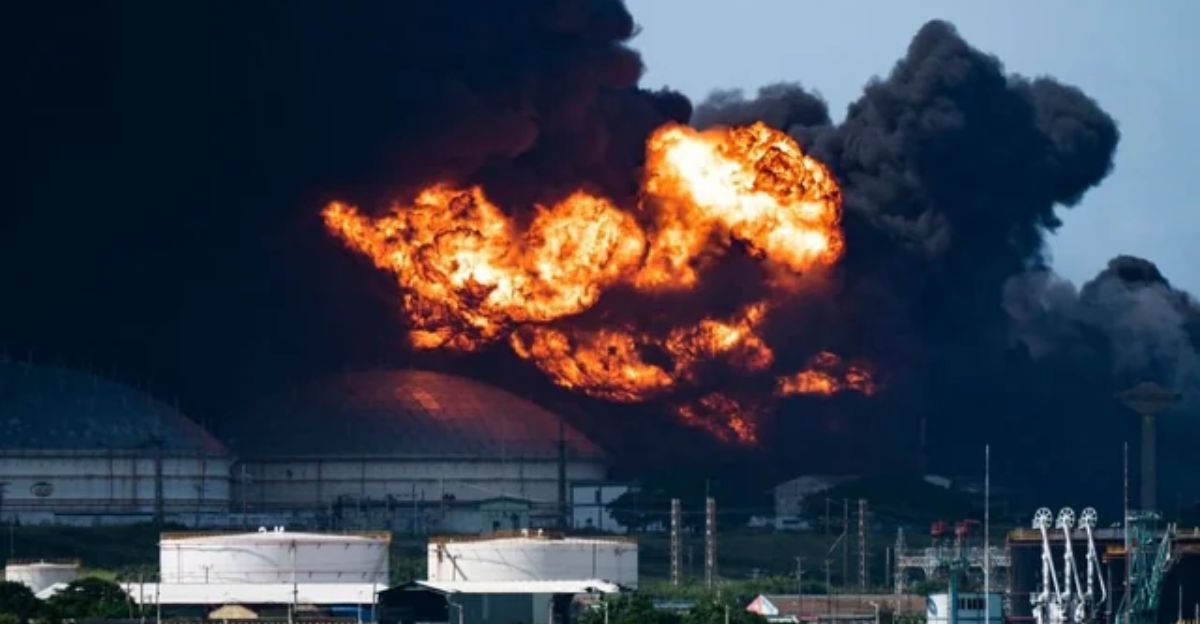
While the footage of strikes is dramatic, fuel depot fires release significant pollutants into the atmosphere.
Explosions and fires at fuel facilities can create hazardous air quality conditions for local populations. The scale of such fires creates both immediate evacuation risks and long-term environmental and health concerns for affected regions.
Political and Strategic Context
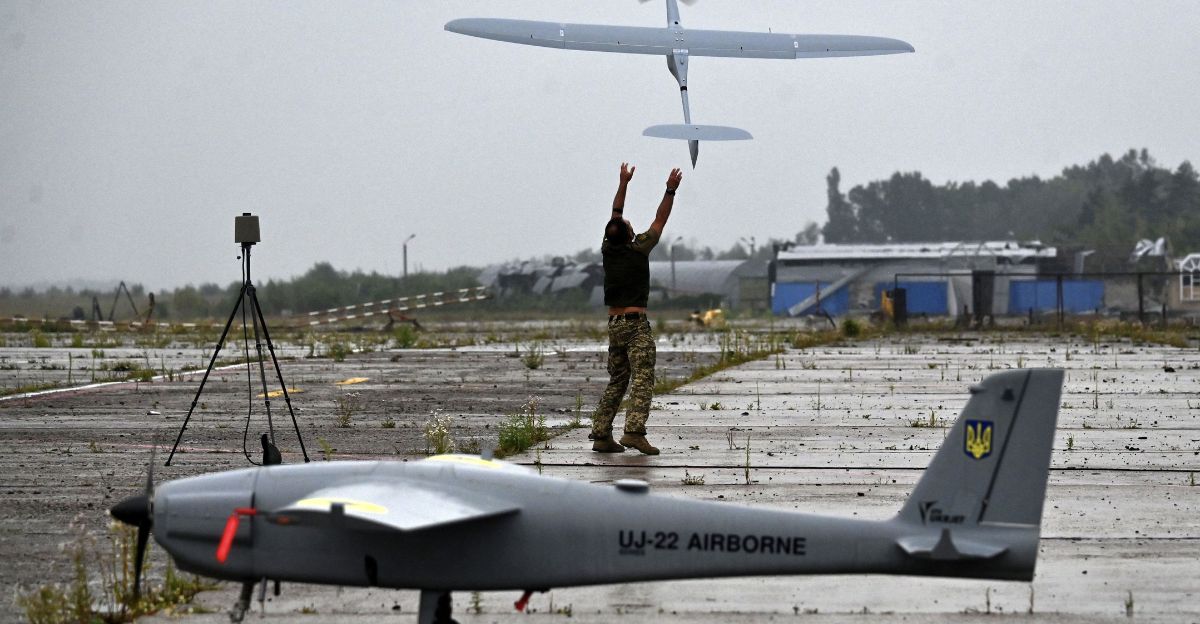
Ukraine’s continued strikes against Russian military infrastructure have become a core strategic objective. The U.S. and Europe have been sharing intelligence with Ukrainian forces to facilitate these attacks, part of a broader effort to pressure Russia economically and weaken its capacity to sustain its war effort. Ukrainian officials have stated that these operations aim to reduce the flow of “petrodollars” to the Russian budget and accordingly limit Russia’s ability to finance military operations.
Ukraine chooses the targets, while international partners provide intelligence on their vulnerabilities, flight routes, altitude, and timing to help Ukrainian drones evade Russian air defenses.
Economic Impacts: Fuel Prices and Domestic Economy
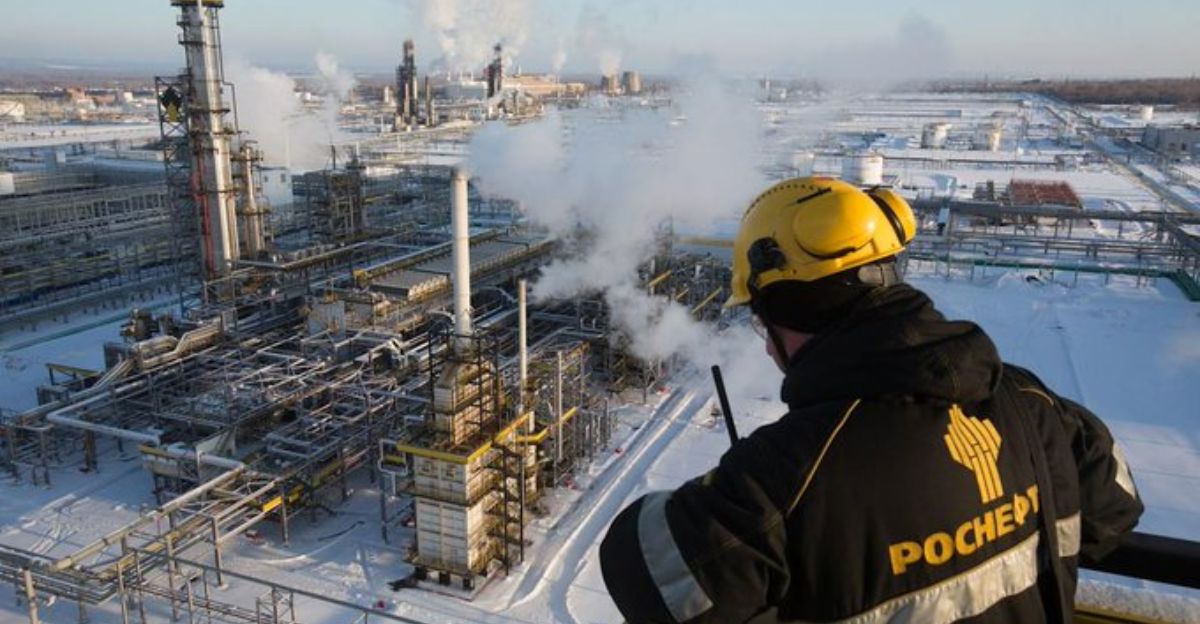
Repeated attacks on Russian refineries have resulted in significant disruptions to fuel supply chains. According to Russian state statistics, retail gasoline prices rose 2.58% in September 2025—the steepest monthly increase since 2018—and are up 12.73% on an annual basis, the fastest pace in 14 years.
Fuel shortages and long lines have been reported at filling stations in 57 Russian regions, where local authorities have imposed limits on gasoline sales. These disruptions affect both military operations and Russia’s broader economy.
Environmental Impact: Pollutants and Health Risks

Fuel fires release dangerous pollutants into the atmosphere, including particulate matter, volatile organic compounds, nitrogen oxides, sulfur dioxide, and other hazardous substances.
Long-term exposure to these toxic emissions can harm human health and the environment. Additionally, burning fuel contaminates soil and water, creating further environmental challenges for affected regions.
Strategic Implications for the Conflict
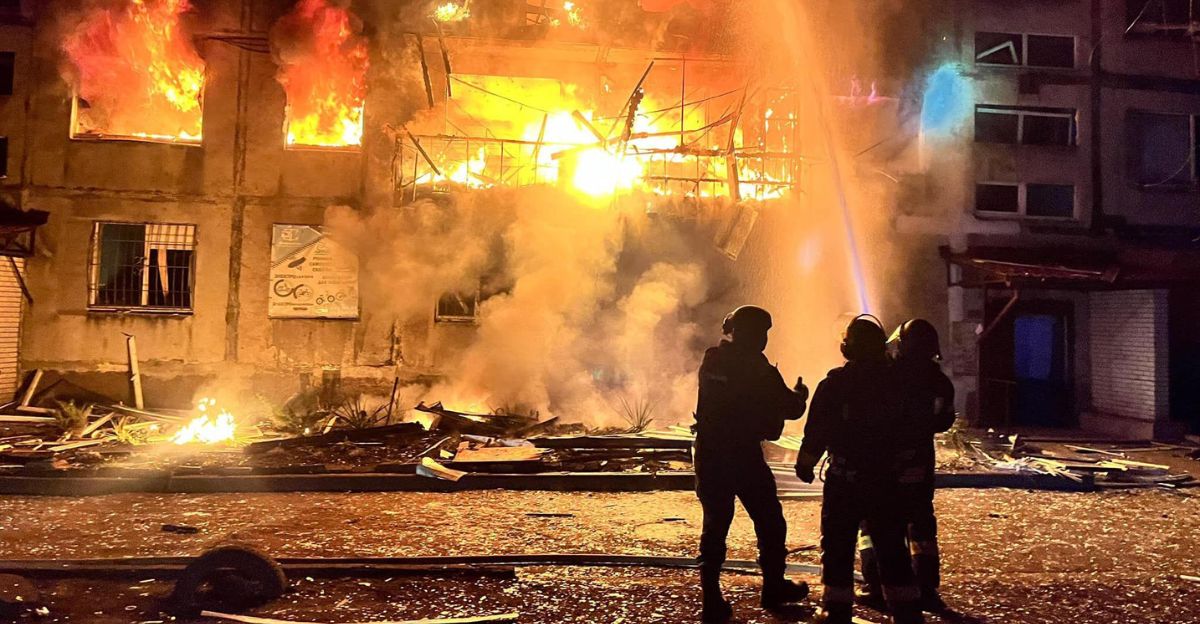
The strikes on Donetsk and Luhansk represent a significant shift in warfare strategy, where infrastructure targets now play a critical role alongside traditional military objectives.
With approximately 55% of Russian refineries now targeted and sustained damage to refining capacity, Ukraine has demonstrated the capacity to conduct long-range, precision attacks that directly impact Russia’s economic and military sustainability.
Ukraine’s Growing Capability and International Reach
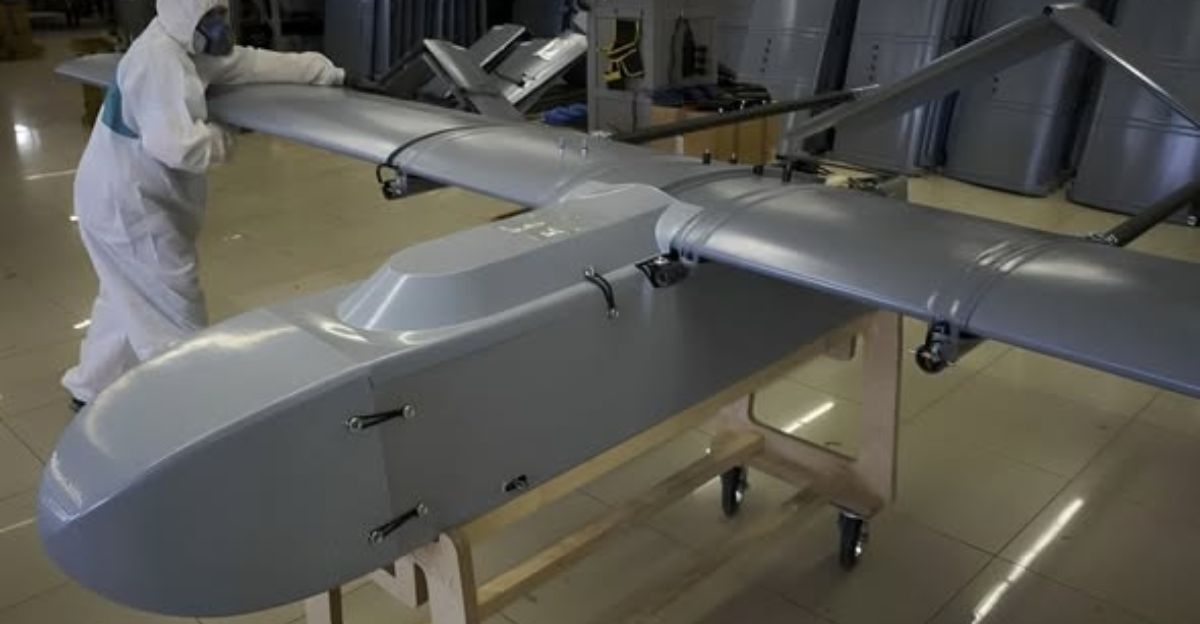
Ukrainian forces have developed increasingly sophisticated domestic long-range weapons systems. Approximately 60% of deep strikes on Russian territory are now carried out by Ukrainian Fire Point FP-1 drones, which have a range of 1,600 kilometers.
In comparison, Batyar drones have a range of 800 kilometers. The development of domestic production means Ukraine can sustain these operations without external authorization for specific weapons platforms, enabling continued strikes on Russian military targets.
Global Market Implications
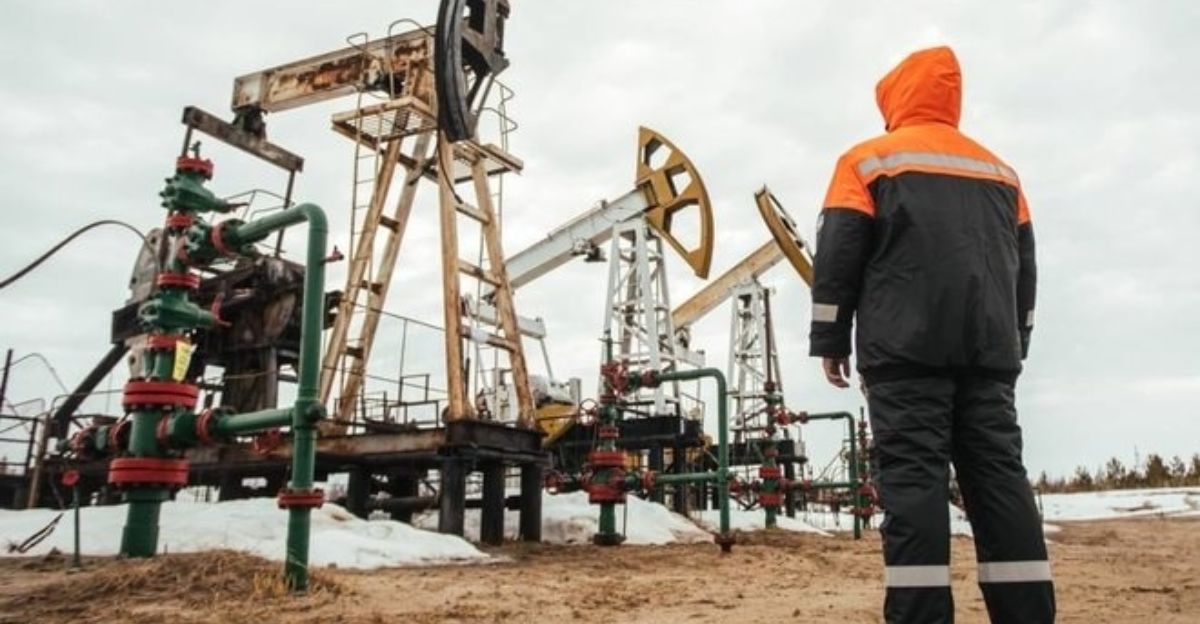
Russia’s reliance on oil and gas revenues—approximately 30% of the 2024 federal budget—makes energy infrastructure a strategic vulnerability.
The sustained degradation of refining capacity has global implications. Businesses and governments are assessing alternative oil suppliers as the reliability of Russian oil exports remains compromised.
Outlook for Continued Operations

Ukrainian officials have stated Ukraine will almost certainly continue these operations in the months to come, given their strategic effectiveness in degrading Russian military capacity and reducing war financing.
The campaign reflects Ukraine’s assessment that targeting Russian logistical and economic infrastructure is essential to its defensive strategy.
Strategic Shifts: The Next Phase of the War
The strikes on Donetsk and Luhansk are emblematic of a shifting strategy in the Ukraine-Russia conflict, where infrastructure targets play an increasingly central role.
As both sides adapt to evolving drone tactics, sustained logistical warfare—where the ability to disrupt the enemy’s supply lines and financing—may define the conflict’s trajectory.
Sources:
“Ukraine Launches Record Number of Strikes on Russian Oil Refineries in November.” The Moscow Times, December 1, 2025.
“US Intel Guided Ukraine’s Strikes on Russian Energy Sites.” Financial Times, October 12, 2025.
“Ukrainian SOF Hit Russian Logistics Sites in Donetsk and Luhansk Regions.” Ukrinform, December 8, 2025.
“Gasoline Price Growth In Russia Sets 14-Year Record.” Charter97, October 9, 2025.