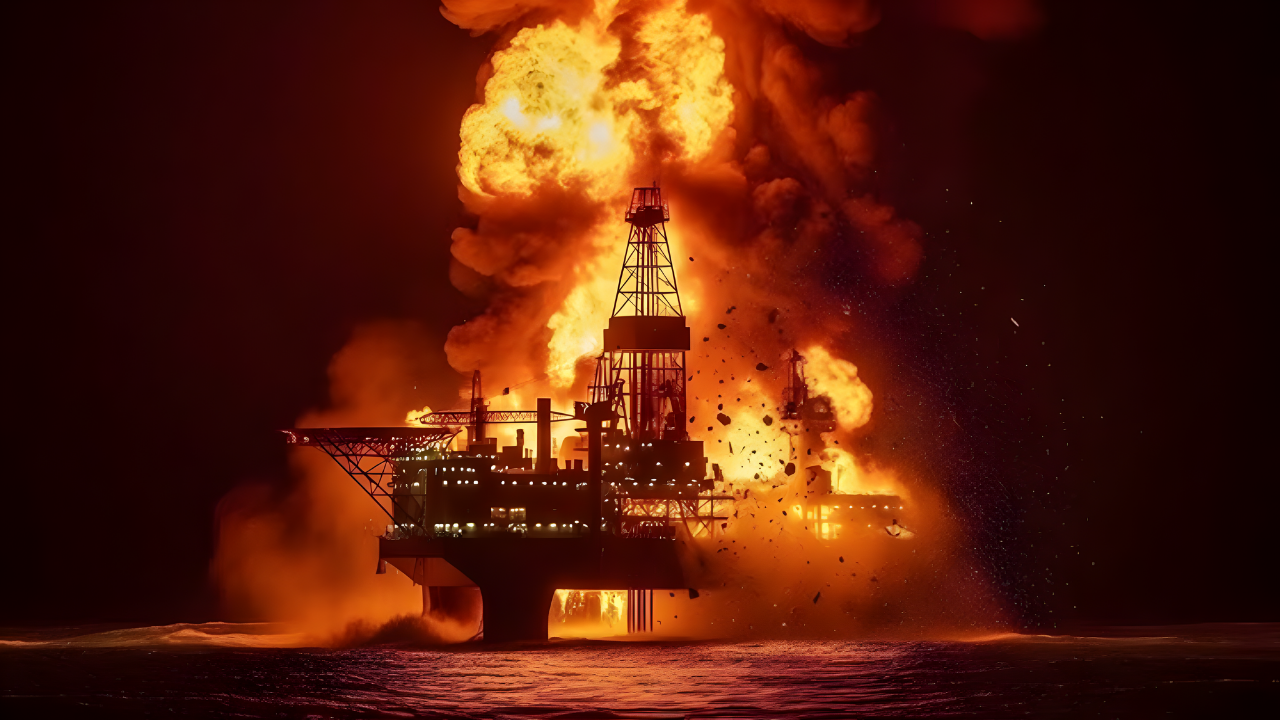
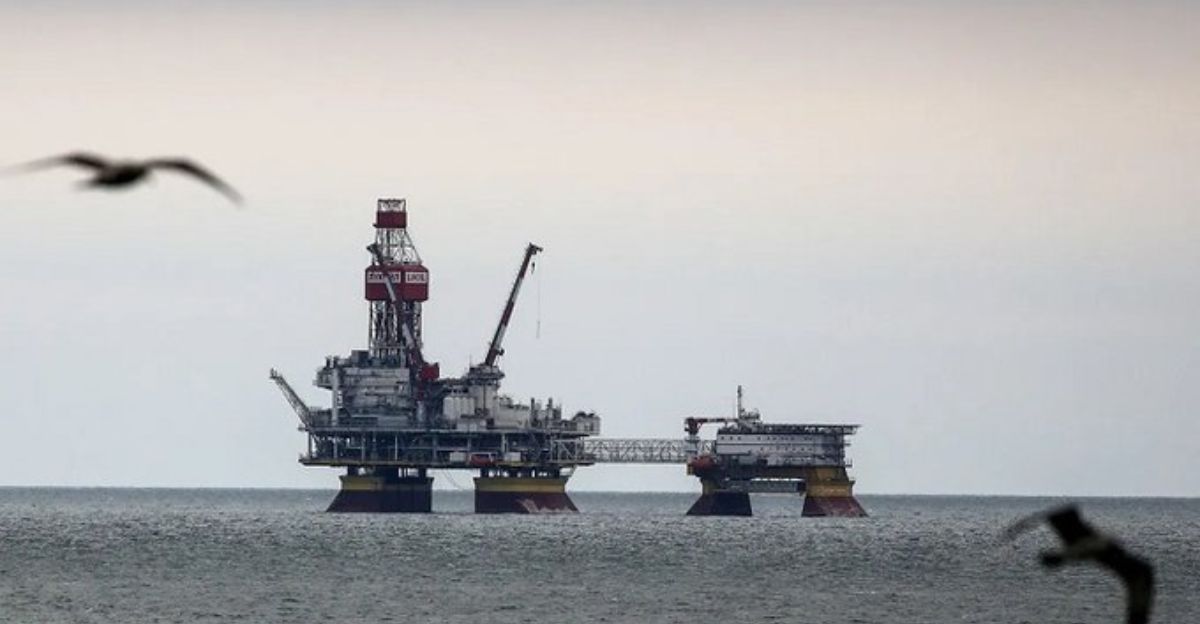
A quiet oil platform stands in the vast, gray waters of the Caspian Sea. Four Ukrainian long-range drones fly low over the surface and approach the steel structures and flare stacks. Soon after, oil production stops completely. On December 11, 2025, Russia’s biggest offshore oil field, Vladimir Filanovsky, went fully offline. More than 20 wells shut down, cutting output by 120,000 barrels per day. This happened over 700 kilometers from Ukraine’s border.
The attack shows how drones can reach deep into enemy territory. Ukrainian forces confirmed the strike through their Security Service. No one got hurt, but the damage forced workers to evacuate parts of the platform for safety checks. This event marks a bold move in the ongoing conflict, targeting Russia’s energy heartland far from the front lines.
A Strike Far from the Battlefield
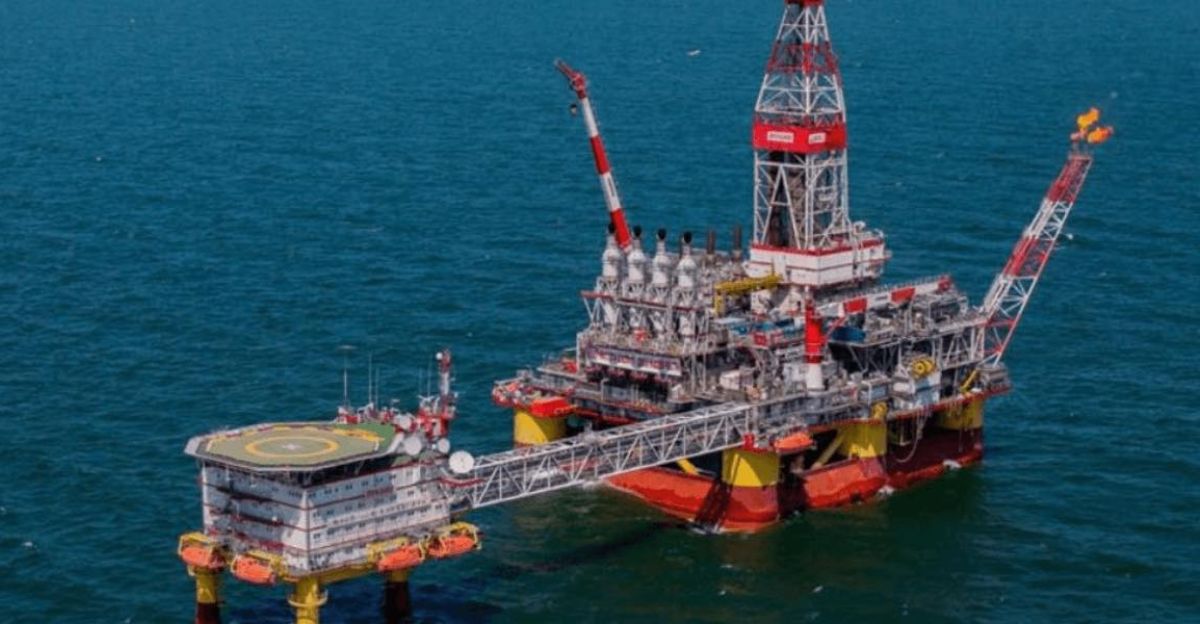
The Filanovsky platform lies deep in the Caspian Sea, an area Russia long considered safe for its oil operations. Ukrainian drones flew more than 700 kilometers to hit it. This stands as the longest confirmed drone strike on Russian energy targets so far. The attack proves that distance no longer protects key assets.
Experts say this changes how both sides view remote facilities. Ukraine’s drones skimmed the water to avoid detection, then struck vital towers and equipment. Production halted within minutes as safety systems kicked in. The Caspian Sea, bordered by five nations, had stayed out of the fighting until now.
Such long-range hits open new risks for energy infrastructure worldwide. Russia must now rethink defenses in isolated spots. Ukraine aims to disrupt oil flows that fund Moscow’s war machine.
Three Attacks in One Week
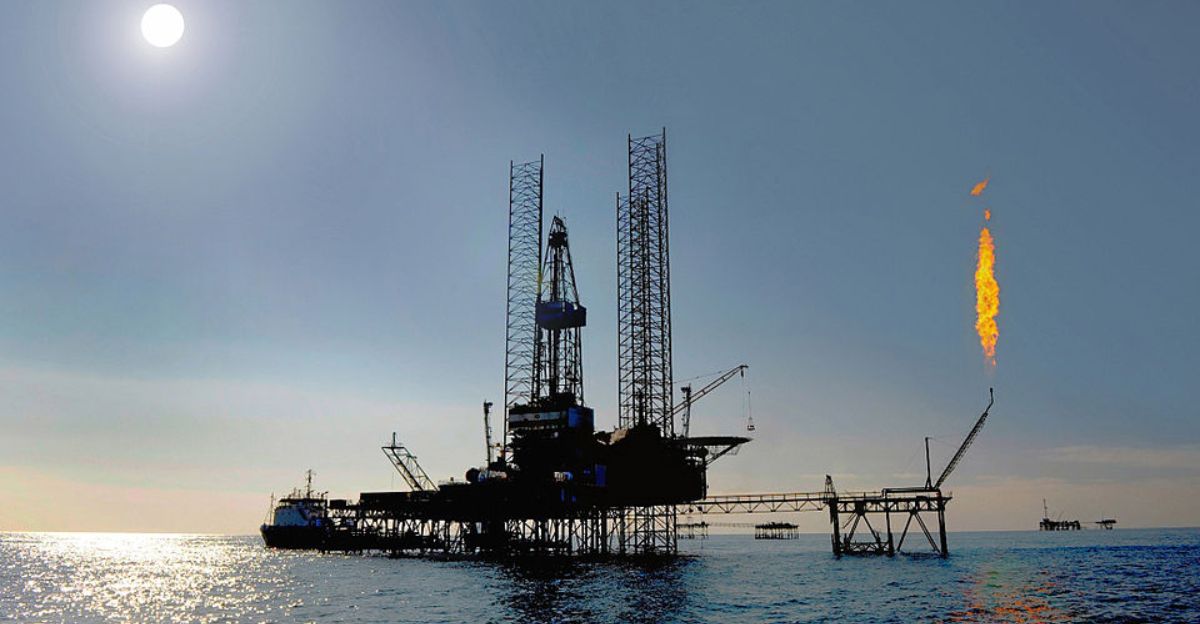
The Filanovsky strike kicked off a fast series of attacks. The next day, December 12, drones targeted the nearby Korchagin oil and gas platform. They hit it again on December 15. Each time, the strikes damaged key equipment and forced shutdowns.
This pace, three attacks in seven days, marks a sharp rise in pressure on Caspian targets. Korchagin normally produces 20,000 barrels per day. Together with Filanovsky, the outages wiped out around 140,000 barrels daily from Russia’s output.
Repair crews reached both platforms, but fixes could take weeks. Past drone strikes on Russian refineries show recovery often drags on. Ukraine’s elite Alpha unit led the first hit on Filanovsky with four drones, crippling major systems. These quick successes boost Ukraine’s strategy to hit energy sites repeatedly. Russia faces growing strain as platforms stay offline longer than expected.
Key Facts on Filanovsky and Its Impact
Lukoil-Nizhnevolzhskneft runs the Filanovsky field. Since starting in 2016, it has pumped about 120,000 barrels per day. Discovered in 2005, the site holds 129 million tonnes of oil and 30 billion cubic meters of gas. It forms a major part of Russia’s Caspian energy production. The shutdown means a loss of roughly 44 million barrels a year, or 1.3% of Russia’s total crude output. Lukoil loses $4 million to $8 million daily in revenue, depending on oil prices. Korchagin’s downtime adds to the pain.
Filanovsky feeds into the Caspian Pipeline Consortium, a vital export line from Kazakhstan and Russia to the Black Sea port of Novorossiysk. That pipeline has faced three attacks this year alone: a pumping station in February, an office in September, and a mooring site in November. Platform outages pile more stress on this route.
Russia’s Urals crude sold at Novorossiysk dropped to $34.52 per barrel by mid-December, the lowest since February 2022. Sanctions, shipping risks, and these strikes all drive prices down.
Broader Economic and War Effects
Ukraine’s campaign targets Russia’s oil money, which funds its military. Recent drone hits also sank shadow fleet tankers like Kairos, Virat, and Dashan in the Black Sea and Mediterranean. Dashan carried cargo worth about $60 million, helping Russia dodge sanctions. Lukoil has not shared full damage reports, but more than 20 wells sit idle across the platforms. Russia reroutes exports and limits operations as stopgaps. Analysts warn that ongoing disruptions could cut fuel to southern military zones.
Markets hate the uncertainty, which hurts revenues more than just lost barrels. The Caspian, once a stable energy hub, now sees frontline action. Ukraine’s deep strikes into this landlocked sea expose new weaknesses. As repairs continue under drone threats, Russia’s energy exports face steady pressure. Ukraine gains economic leverage in the war. Global oil markets feel ripples, and the conflict’s funding stays in flux with no end in sight.
Sources:
OilPrice.com – “Ukraine Strikes Key Russian Oil Platform in Caspian Sea” (December 10, 2025)
The Moscow Times – “Lukoil Rig Halts Oil Production After Ukrainian Drone Attack” (December 11, 2025)
Ukrainska Pravda – “Ukrainian drones have struck Russian oil rigs in Caspian Sea for…” (December 15, 2025)
The Insider (RBC-Ukraine) – “Ukraine says it attacked a Russian ‘shadow fleet’ tanker…” (December 18, 2025)
The Moscow Times – “Russian Oil Prices Sink Below $35 Per Barrel” (December 19, 2025)
Carnegie Endowment – “Ukraine Risks Alienating Allies With Oil Infrastructure Attacks” (December 7, 2025)