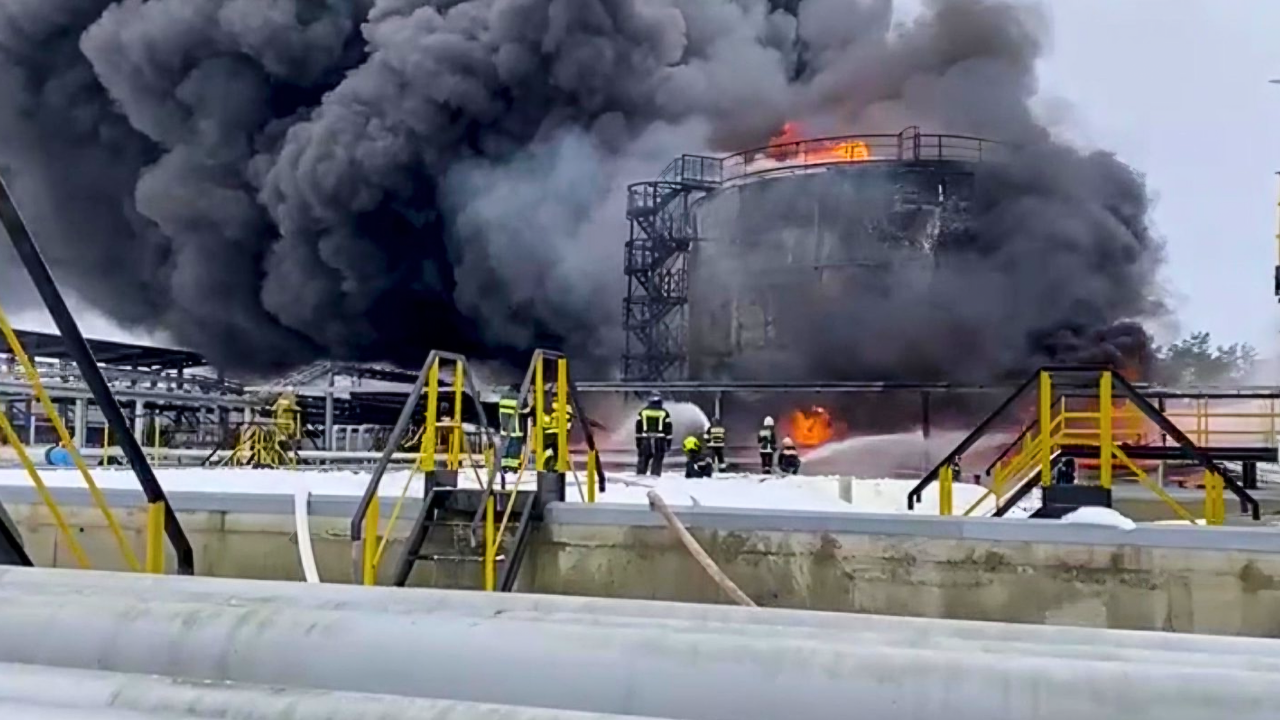
Ukrainian forces launched 94 drones across seven Russian regions overnight December 16-17, 2025, in one of the war’s most ambitious deep-strike operations.
The primary target, the Slavyansk oil refinery in Krasnodar Krai, sustained explosions and fire damage to processing equipment. Ukraine’s General Staff confirmed the strike on the facility, which processes 5.2 million tons of crude oil annually, valued at approximately $1.76 billion.
Refinery Located Over 800 Kilometers from Ukrainian Territory

The Slavyansk refinery in Slavyansk-on-Kuban sits approximately 809 kilometers from Kyiv by direct distance, demonstrating Ukraine’s expanding strike capabilities.
Russia’s Defense Ministry claimed intercepting all 94 drones, but fires and damage at multiple facilities contradicted this assertion. The attack marks the third strike on Slavyansk refinery in 2025, following previous attacks in February, August, and November.
Strategic Black Sea Energy Hub Targeted
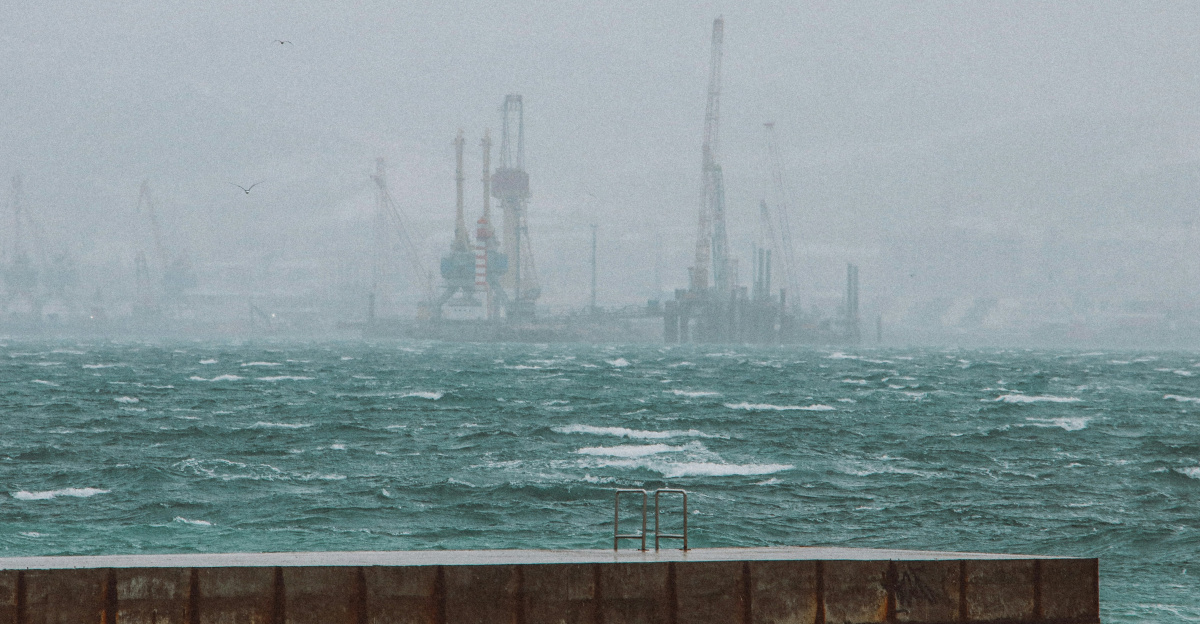
The refinery operates within Krasnodar Krai, Russia’s critical Black Sea energy corridor hosting the Novorossiysk export terminal and multiple refineries.
The facility, owned by private company Slavyansk ECO, processes approximately 104,000 barrels per day and supplies fuel to Russian military forces. Krasnodar accounts for 9% of Russia’s Southern Federal District refining capacity, making it a strategic target for Ukrainian operations.
Civilian Casualties and Power Outages Reported

Russian authorities reported two civilians injured from falling drone debris in residential areas of the Slavyansky district. Five private homes sustained damage, and power supply networks were hit, causing blackouts for more than 38,000 residents.
At initial reporting, 13,000 people remained without electricity. Drone fragments were discovered at residential addresses in both Slavyansky and Krasnoarmeysky districts.
Coordinated Strikes Across Multiple Energy Targets

The operation simultaneously targeted the Nikolaevskaya oil depot in Rostov Oblast, damaging storage tanks and the river vessel “Captain Gibert”.
Ukraine also confirmed earlier strikes on the R. Graifer offshore drilling platform in the Caspian Sea, shutting down 14 gas wells producing 3,500 tons daily. The coordinated assault forced Russian air defenses to distribute resources across vast geographic areas.
Regional Distribution Shows Concentrated Southern Targeting
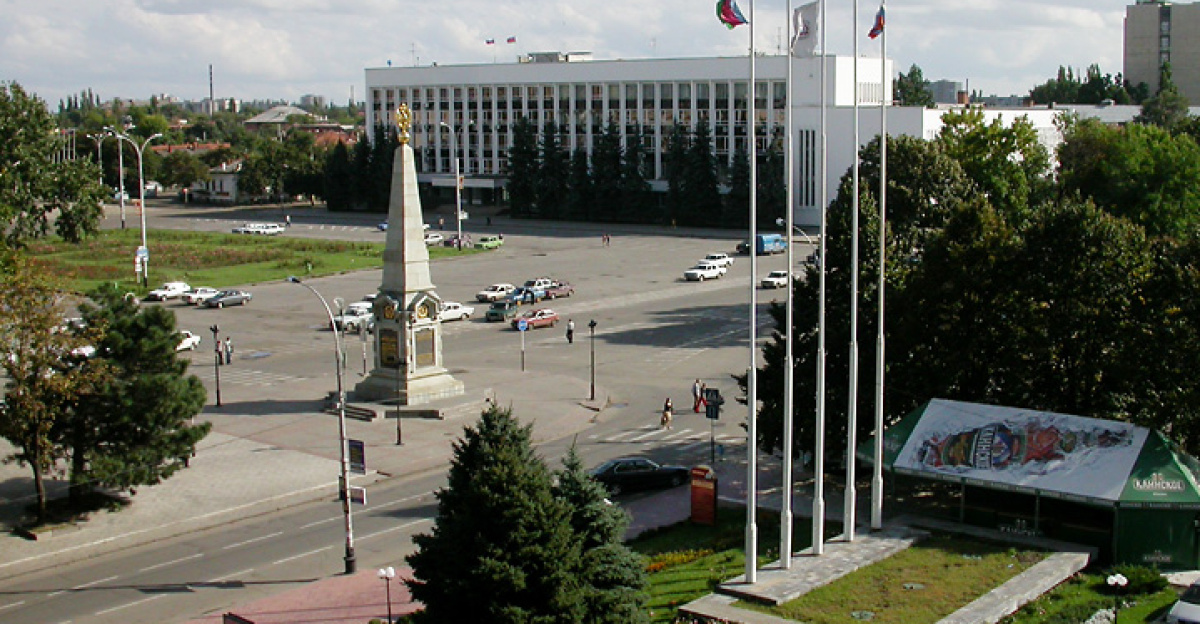
Krasnodar Krai absorbed 31 of the 94 drone intercepts, the highest regional concentration, followed by Rostov with 22 intercepts. Voronezh, Saratov, and attacks over the Azov and Black Seas each registered 8-10 intercepts, while Volgograd and Bryansk recorded 4 and 3 respectively.
The geographic spread demonstrates Ukraine’s ability to strike targets 700+ kilometers from the front line.
December Campaign Reaches Peak Operational Intensity

The Slavyansk strike occurred amid sustained Ukrainian attacks throughout December 2025, averaging one major energy strike every 2-3 days. Previous December targets included the Syzran refinery (halted operations), Saratov refinery (operating at 50% capacity), and Novoshakhtinsk refinery.
On December 24, Ukrainian forces hit the Temryuk seaport, igniting two oil storage tanks covering 4,000 square meters.
Ukrainian Drone Technology Enables 2,000-Kilometer Range

Ukraine has developed long-range drones capable of striking targets up to 2,000 kilometers away, including the Sokil-300 with 660-pound payloads and 100-mph speeds.
The FP-1 drone, responsible for 60% of deep strikes, achieves 1,600-kilometer range with 60-kilogram explosive payloads. The newly developed FP-5 cruise missile extends this capability to 3,000 kilometers with 1,150-kilogram warheads.
Systematic Campaign Targets 21 of 38 Major Russian Refineries

Since January 2025, Ukrainian forces have struck 21 of Russia’s 38 major refineries, affecting facilities with 123 million tons annual capacity—38% of Russia’s total refining infrastructure.
The cumulative campaign has maintained 10-17% of Russian refining capacity offline, reducing crude processing from 5.4 million barrels daily in July to 5.0 million barrels by September.
Economic Impact: Oil Revenues Fund One-Third of Russian Budget

Oil and gas revenues provide approximately one-third of Russia’s federal budget, with defense spending consuming nearly 50% of revenues in early 2025. Russia’s September 2025 oil and gas revenues declined 26% year-on-year, partly due to reduced refining capacity.
The government revised 2025 energy export earnings downward by 15% to $200.3 billion.
Russian Air Defense Vulnerabilities Exposed
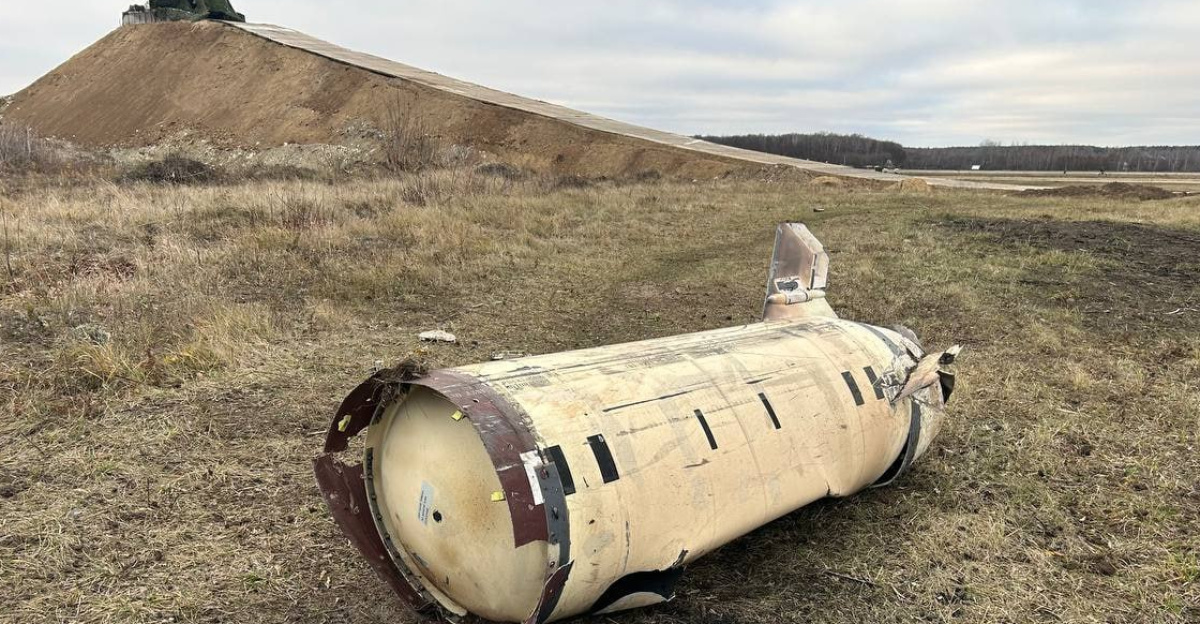
Analysis indicates less than 10% of Ukrainian drones reach intended targets, but Ukraine compensates through saturation tactics deploying large drone swarms. Russia reported nearly 160 successful strikes on oil facilities in 2025 despite claimed interceptions.
Years of attrition, redeployments, and corruption have thinned Russian air defenses beyond frontline regions, creating exploitable gaps.
Refinery Damage Assessment and Repair Timelines Uncertain
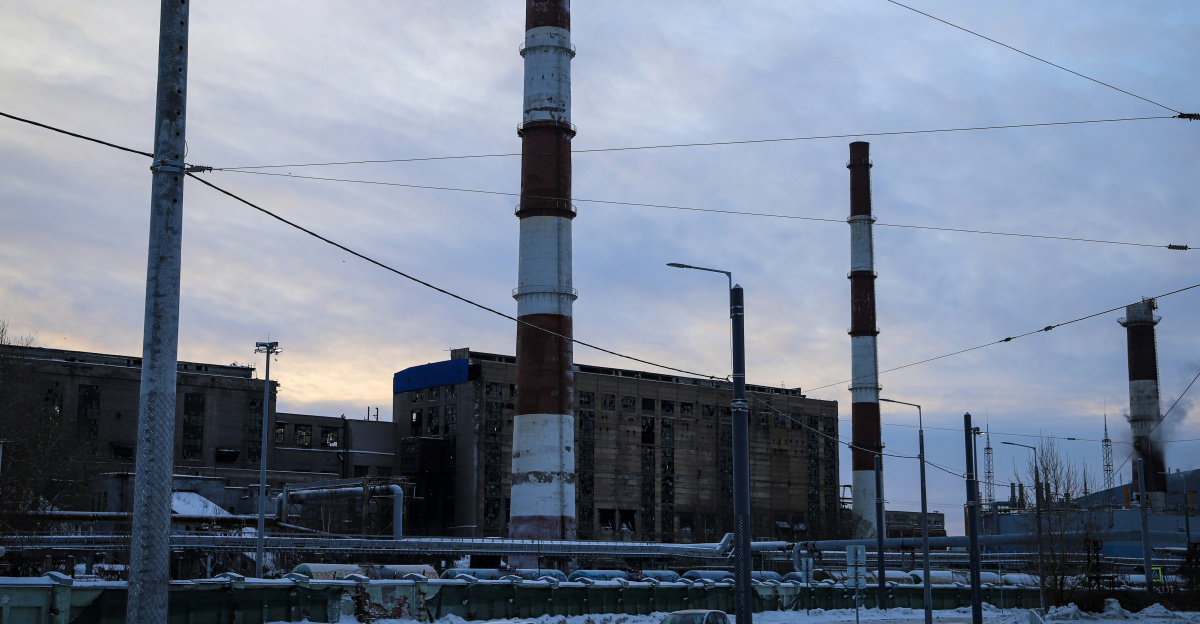
Fire damage to processing equipment typically requires weeks to assess fully, with repair timelines ranging from one month for minor damage to six months for extensive destruction.
Western sanctions limiting access to specialized refinery components have extended Russian repair timelines throughout 2025. The Slavyansk facility was undergoing modernization to add hydrotreater and catalytic reforming units when struck.
Strategic Objective: Disrupt Military Fuel and Export Revenues

Ukraine’s General Staff states refinery strikes aim to disrupt fuel supplies to Russian military forces and reduce oil export revenues funding Moscow’s war effort.
The Slavyansk refinery supplies fuel to Russian forces in occupied Crimea, Kherson, and Zaporizhzhia oblasts. Domestic fuel shortages emerged in multiple Russian regions during 2025, driving gasoline prices to record highs.
Winter Timing Maximizes Economic and Operational Impact

Lower temperatures increase fuel demand for heating while reducing refinery throughput efficiency due to cold-weather constraints.
The December operational tempo reflects strategic timing aligned with peak winter conditions and potential peace negotiations. Russia launched 154 missiles and drones against Ukrainian energy infrastructure on December 10-11, creating mutual escalation dynamics.
Outlook: Campaign Likely to Intensify Through Early 2026

Ukrainian drone production targets 30,000 one-way attack drones in 2025, providing munitions inventory for sustained campaigns.
Potential peace negotiations create incentives for Ukraine to maximize economic leverage before diplomatic frameworks constrain operations. The combination of reduced Russian oil revenues, depleted fiscal reserves, and sustained defense spending approaching 8% of GDP creates fiscal constraints that may affect Moscow’s war-fighting capacity through 2026.
Sources:
“Ukraine confirms drone strike on oil refinery in Russia’s Krasnodar Krai.” Kyiv Independent, December 16, 2025.
“Russia hit by 94 drones overnight, 2 injured in Krasnodar.” TASS, December 16, 2025.
“General Staff confirms strikes on the Slavyansk Oil Refinery.” UA News, December 16, 2025.
“How Ukrainian Drones Are Crippling Russia’s Oil Refineries.” Forbes, September 12, 2025.
“Ukraine’s long-range drone war rattles Russia, raises questions about strategy.” Associated Press, October 31, 2025.
“Have Ukrainian Drones Really Knocked Out 38% of Russia’s Oil Refining Capacity?” Carnegie Endowment for International Peace, October 2, 2025.