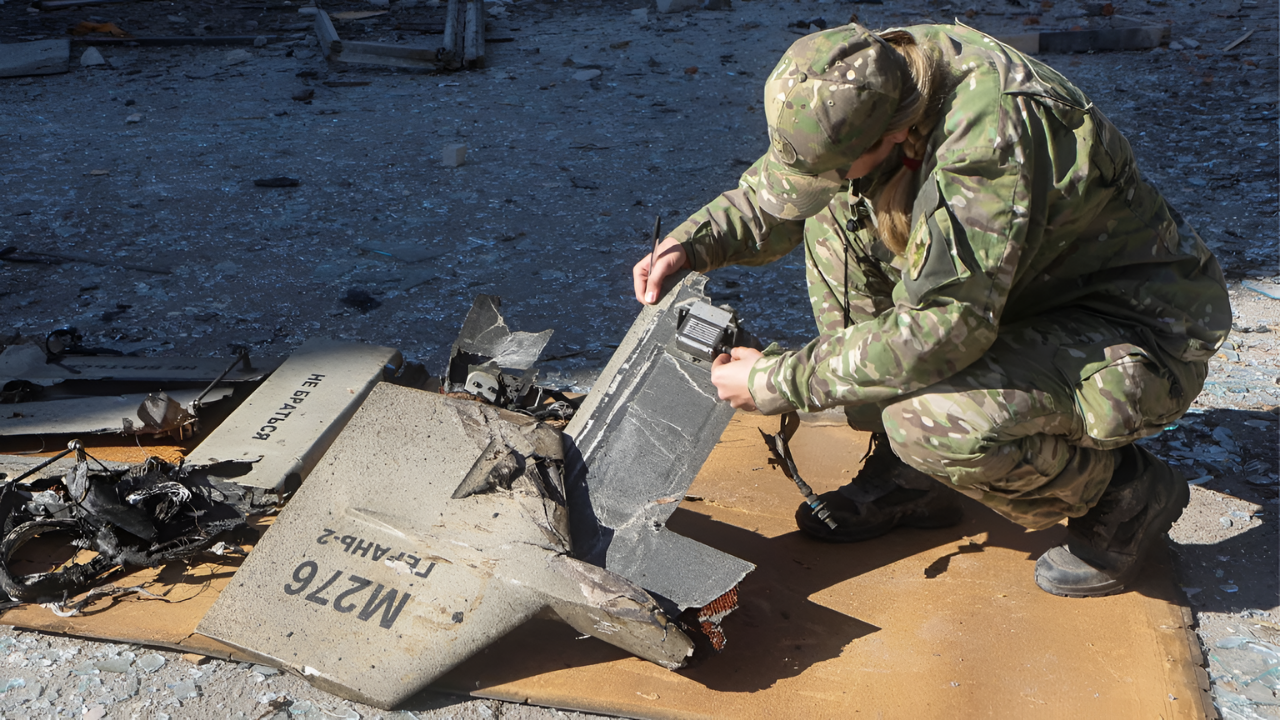
On a routine December morning along Ukraine’s eastern front, the sky erupted with 5,471 kamikaze drones. On December 15, 2025, Russian forces launched this massive operation amid 151 combat clashes and 4,103 artillery strikes, signaling a profound shift in battlefield dynamics.
The Border Guard’s Precision Strikes

In the Toretsk sector, amid intense fighting near Pokrovsk, the Feniks unit of Ukraine’s State Border Guard Service executed surgical drone attacks. These specialists, who swapped rifles for remote controls, destroyed a Soviet-era BTR-70 armored personnel carrier, a Chinese Type-63 rocket launcher, a ground robotic system, and an artillery gun in one day.
The BTR-70, an eight-wheeled vehicle from the late 1960s, carried seven troops plus crew, mounted heavy machine guns, and weighed 12.7 tons. Once a mainstay in ground assaults, it proved defenseless against aerial detection and strikes.
The Type-63 launcher fired 12 rockets in seconds over five miles, threatening infantry and light vehicles. Its loss removed 20 to 40 rockets and five crew members from Russian forces.
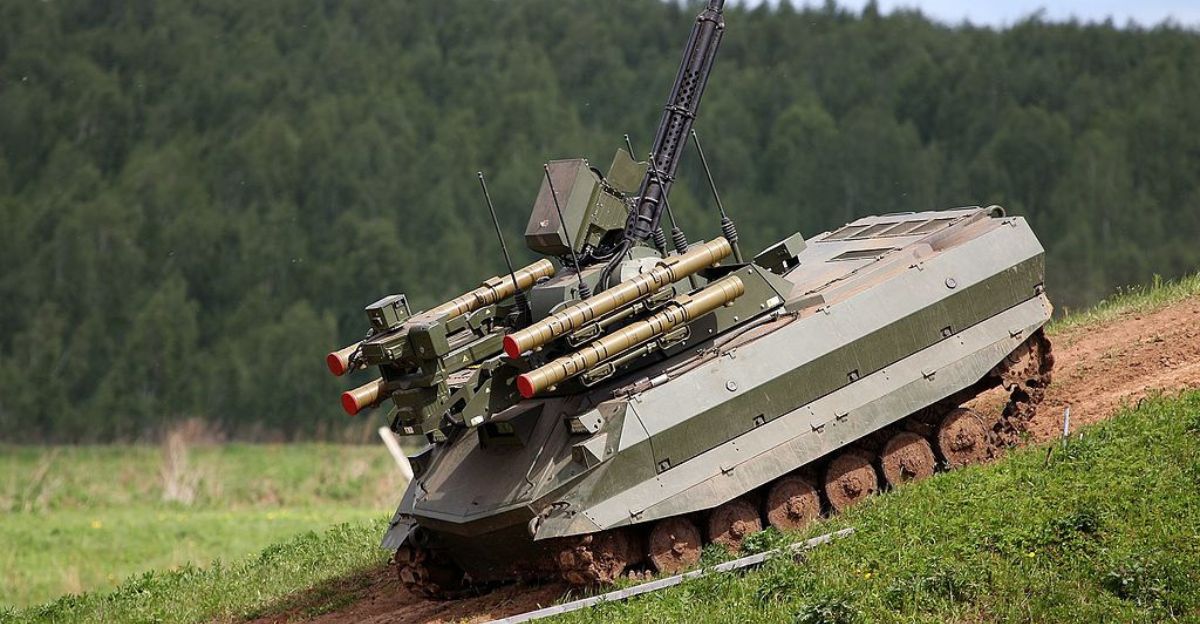
Feniks also neutralized a ground robotic system, highlighting robot-on-robot combat. Ukraine aims to deploy 15,000 ground robots by late 2025, while Russia uses armed Courier vehicles and Uran-6 deminers.
Drones Reshape Combat Tactics
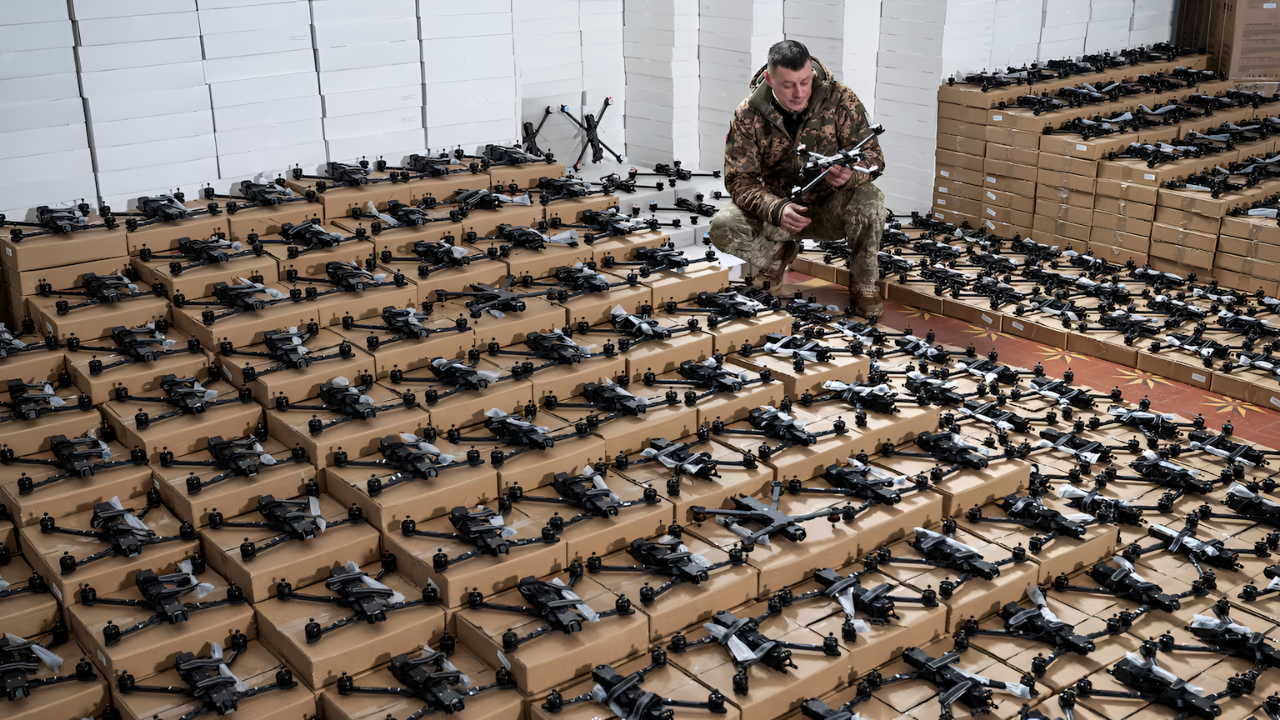
Gone are the days of mass infantry charges. Feniks turned Russian supply lines into lethal zones, targeting trucks, ammo depots, and command posts across Donetsk. Unmanned systems operate relentlessly, cheaper than manned assaults.
On December 15, drones outnumbered multiple rocket launches 5,471 to 88. Throughout 2024, they delivered 69 percent of strikes on Russian troops and 75 percent on vehicles, causing three-quarters of casualties—surpassing artillery and rifles.
Ukraine produced over 1.2 million drones in 2024, with 200,000 reaching fronts in December. Tech firms tripled from 30 to 90 since 2022, converting innovation centers into production lines.
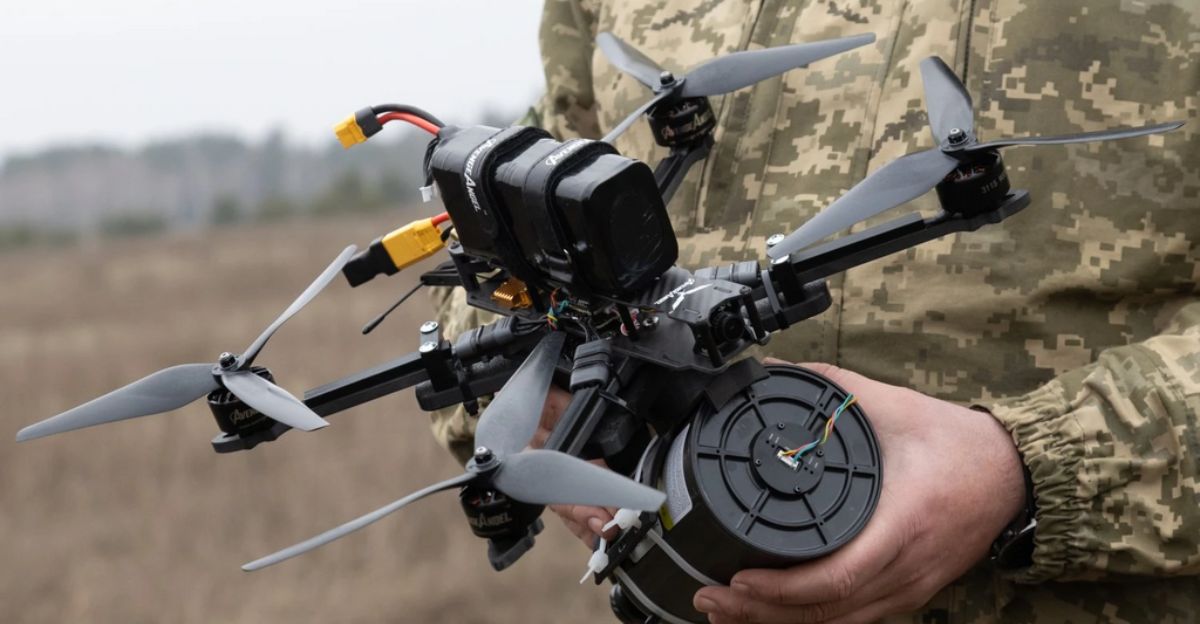
In December, drones hit 54,000 Russian targets, 49 percent by kamikaze models. Fiber-optic first-person view drones enhanced detection and destruction of equipment and personnel.
The High Cost of Aerial Dominance
Scale brings attrition. Ukraine loses 10,000 drones monthly—over 300 daily—in what experts call exceptional mass usage, treating them as expendables. In a 10-kilometer front zone, 25 to 50 drones from both sides swarm constantly overhead.
Feniks, formed in 2025 and integrated into the presidential Drone Line project, stands out. Under Lieutenant Colonel Dmytro Oleksiuk, a Hero of Ukraine awardee, it struck 1,742 Russian personnel, killing at least 933, and destroyed 169 armored vehicles, including 54 tanks.
Russia counters with fiber-optic drones hitting Ukrainian logistics, prompting ground robot use for supplies and evacuations. Both sides now hunt operators, turning drone warfare into a mutual predator game.
Russia’s Industrial Response
Russia deploys units like Rubicon, training teams to strike supply lines and boost army drone skills. It favors mass production of select models over Ukraine’s startup-driven variety, leveraging factories and funds to close the tech gap.
Drones saturate fronts like unending grapeshot, penetrating rear areas to target artillery and logistics. They sustain force cohesion amid heavy losses.
Ukraine builds unmanned brigades merging infantry and drones for deep 10-15 kilometer kill zones. Over 140 systems register on the Brave1 platform, 14 NATO-compliant; approvals now take 10 days.
This drone revolution, accelerating on Ukraine’s front, redefines ground warfare and sets a global precedent. Armies worldwide face the challenge of adapting to skies that never clear and battlefields where machines hunt without pause.
Sources:
Ukraine General Staff Operational Update, December 15-17, 2025
Feniks Drone Unit Telegram Statement, December 17, 2025
State Border Guard Service of Ukraine Official Report, December 2024
Royal United Services Institute (RUSI) Drone Warfare Analysis, 2024-2025
Critical Threats Project – Russian Offensive Campaign Assessment, December 2024
Atlantic Council Ukraine Alert – Drone War Dominance Study, December 2025