
Ukrainian forces have intensified their use of advanced unmanned systems to systematically degrade Russian military capabilities, forcing Moscow to fundamentally reconsider its operational strategy in the region. The escalating frequency and accuracy of these strikes have created a tactical crisis for Russian forces, stretching resources thin as defensive measures consume assets previously allocated to offensive operations. This shift underscores how technological innovation in drone warfare is reshaping the conflict’s trajectory and challenging conventional military assumptions about battlefield control.
Coordinated Strike on Multiple Targets
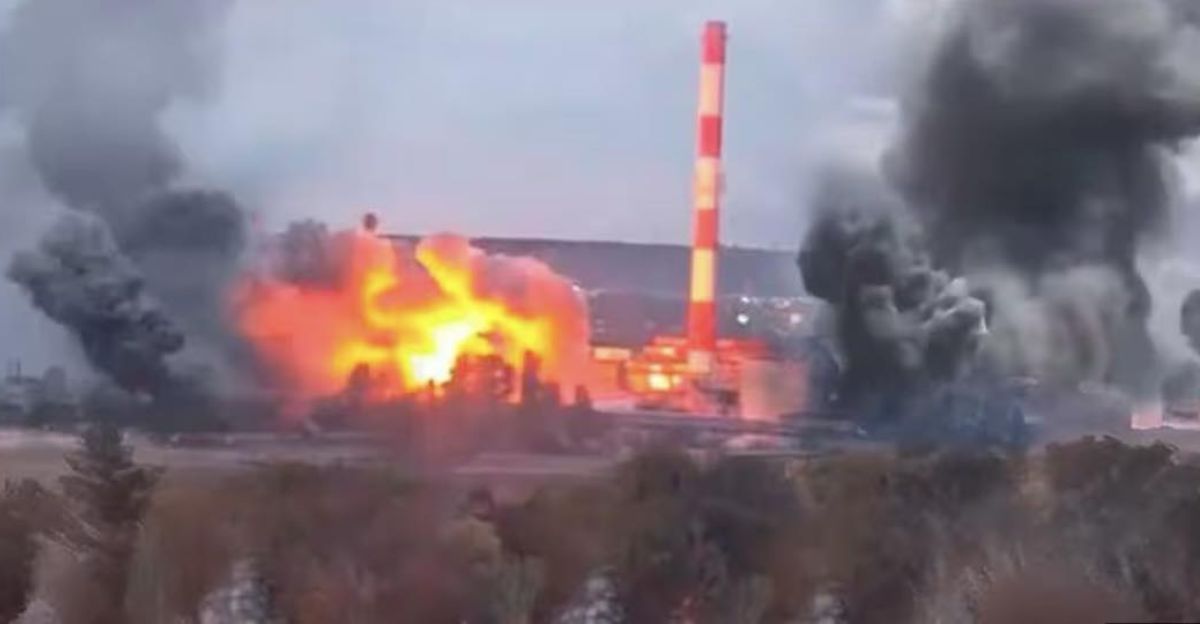
On the night of November 22–23, 2025, Ukraine’s Special Operations Forces executed a coordinated assault targeting five distinct Russian positions in the Pokrovsk region. The operation strategically focused on infrastructure supporting Russian drone operations alongside ammunition and logistics facilities fueling the offensive effort. Specifically, Ukrainian forces destroyed a temporary deployment point and ammunition storage used by attack UAV crews from the 6th Guards Tank Regiment of the 90th Guards Tank Division in Sontsivka—eliminating personnel and crippling a key node in Russia’s aerial reconnaissance and strike network. The strikes also targeted an assembly area for the 336th Separate Guards Marine Brigade in Shakhove, a sniper position on an industrial facility in Pokrovsk, an ammunition depot in Dokuchaievsk, and a fortified logistics hub operated by Russia’s Vostok group in Rybynske.
The FP-2 mid-range loitering munitions employed in this operation are precision-guided systems that allowed Ukrainian forces to penetrate deep into Russian-held territory with minimal exposure to counterattack. The scale of destruction was substantial. Russian personnel casualties were reported alongside the destruction of critical infrastructure, marking one of the most successful Ukrainian operations in recent months. The precision targeting of the deployment point in Sontsivka dealt a particularly significant blow to Russian reconnaissance and strike capabilities, directly degrading the command infrastructure that coordinated aerial operations across the entire region.
Strategic Disruption of Russian Encirclement Efforts
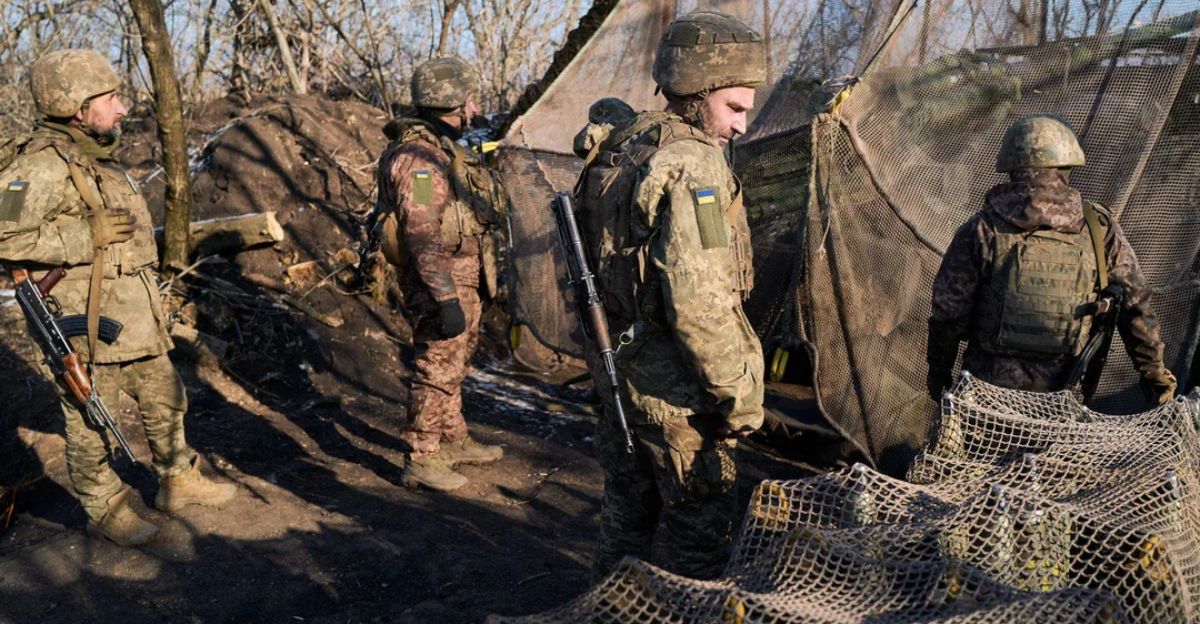
These strikes were not random tactical actions but part of a deliberate strategy to disrupt Russia’s attempt to encircle Pokrovsk from the north. By systematically destroying drone deployment facilities, logistics units, ammunition depots, and command positions, Ukraine aimed to cripple the operational foundation supporting Russian offensive momentum. The destruction of the 336th Marine Brigade’s assembly area and the Vostok group’s logistics node directly undermined Russia’s ability to sustain coordinated pressure on Ukrainian positions while simultaneously disrupting the drone operations that have defined Russia’s recent tactical approach.
Military analysts emphasize that the campaign represents a shift toward asymmetric warfare, where lower-cost, high-impact systems compensate for numerical disadvantages. The loitering munitions enable Ukrainian forces to strike seemingly secure positions while avoiding direct engagement with superior Russian firepower. This technological edge has forced Russian commanders to reconsider deployment patterns and defensive postures, particularly regarding the vulnerability of drone operations centers and supply lines to precision strikes.
Russian Adaptation and Ongoing Uncertainty
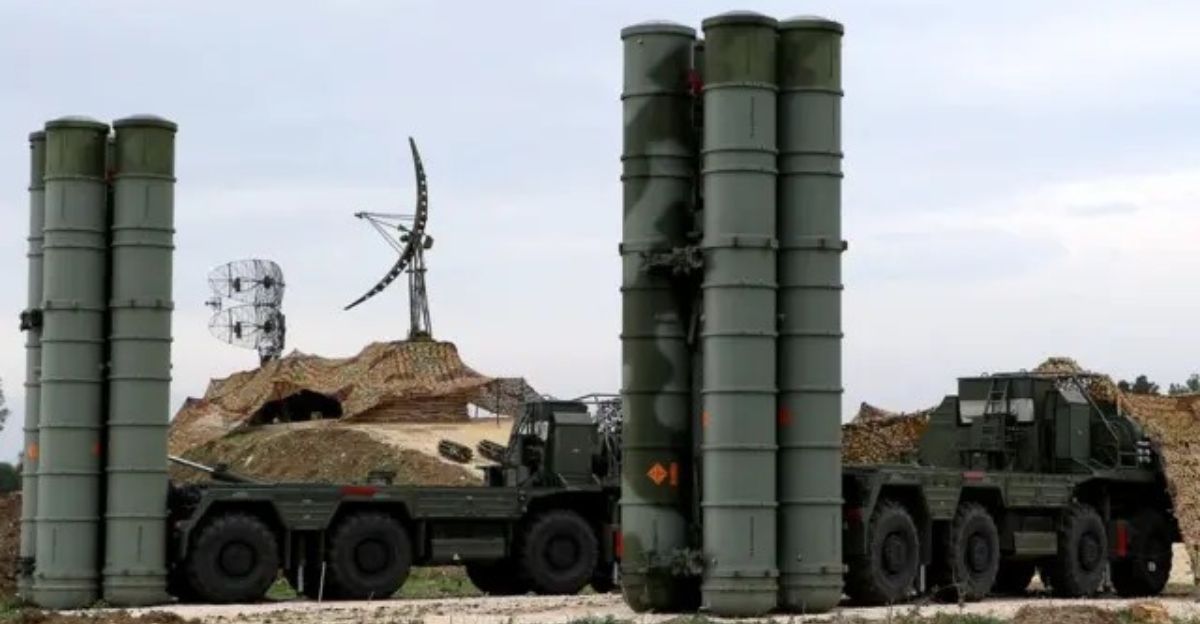
In response to mounting drone threats, Russia has bolstered air defense systems and relocated high-value assets—including drone deployment facilities and command centers—to more secure locations. However, the scale and precision of Ukrainian strikes continue to challenge these defensive measures. Analysts note that while Russia maintains considerable military resources and demonstrated capacity to adapt tactics, the long-term effectiveness of countermeasures remains uncertain, particularly given Ukraine’s demonstrated ability to identify and strike relocated drone operations infrastructure.
The fundamental question facing both militaries is whether Ukraine can sustain its technological advantage or whether Russia will develop sufficient countermeasures to neutralize the drone threat. As both sides evolve their capabilities, the role of unmanned systems in modern warfare is set to expand dramatically. The conflict has become a proving ground for drone tactics that will likely influence military doctrine globally.
Implications for the Broader Conflict
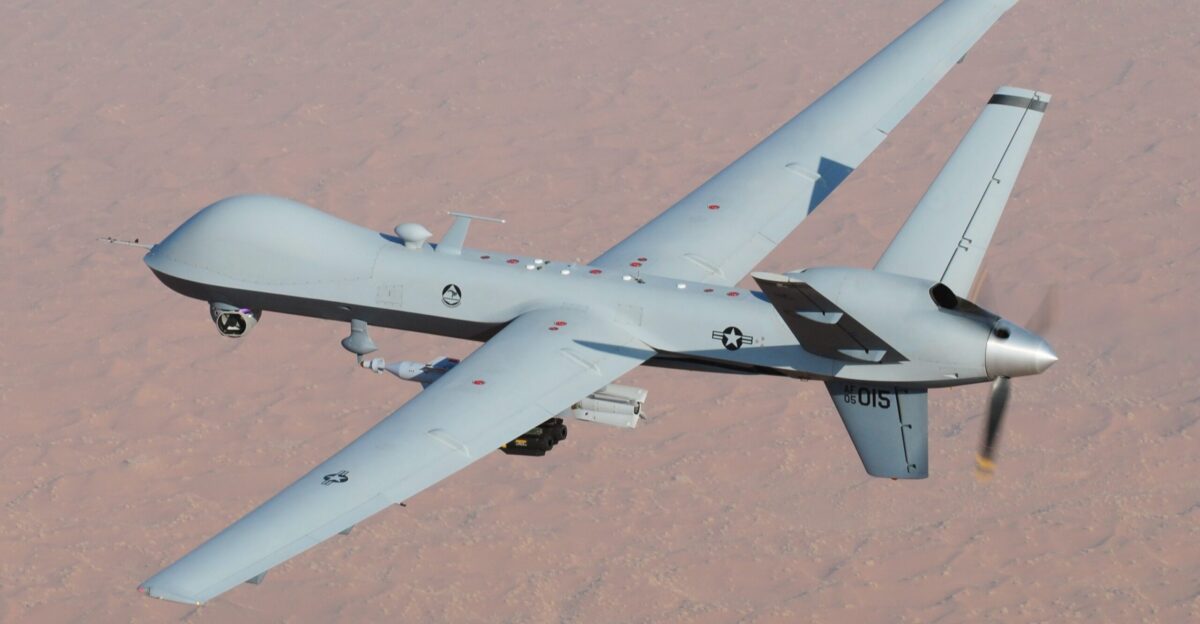
The November strikes demonstrate that Ukraine’s ability to project power deep into Russian-held territory has improved significantly, particularly in targeting the drone deployment and command infrastructure critical to Russian operations. Yet military analysts caution that disrupting individual drone operations differs from reversing strategic momentum. Russia’s overall military capacity remains substantial, and the conflict’s trajectory depends on whether Ukraine can maintain operational tempo and technological superiority over extended periods.
The emerging high-tech arms race between drone capabilities and air defense systems will define the next phase of the conflict. Both sides are investing heavily in unmanned systems and counter-drone technologies, suggesting that future operations will increasingly rely on autonomous and semi-autonomous platforms. The outcome remains contingent on sustained Ukrainian innovation, continued international support, and Russia’s ability to develop effective countermeasures.
Sources:
Ukrainska Pravda (English Edition) — “Battle for Pokrovsk: Ukrainian special forces carry out series of attacks” (November 23, 2025)
Mezha (English Edition) — “Ukrainian Special Operations Forces hit five Russian targets near Pokrovsk with FP-2 drones” (November 23, 2025)
United24media — “FP-2 Drones Strike Five Russian Military Sites in Coordinated Assault near Pokrovsk” (November 22, 2025)
Defence-UA (English Edition) — “Ukraine’s Special Operations Forces Destroy Key Russian Positions and Ammo Depots near Pokrovsk” (November 23, 2025)
Ukrinform — “Special Operations Forces deliver series of strikes on Russian targets in Pokrovsk area” (November 22, 2025)
CDS Daily Brief — “Russia’s war on Ukraine. 24.11.25” (November 24, 2025)