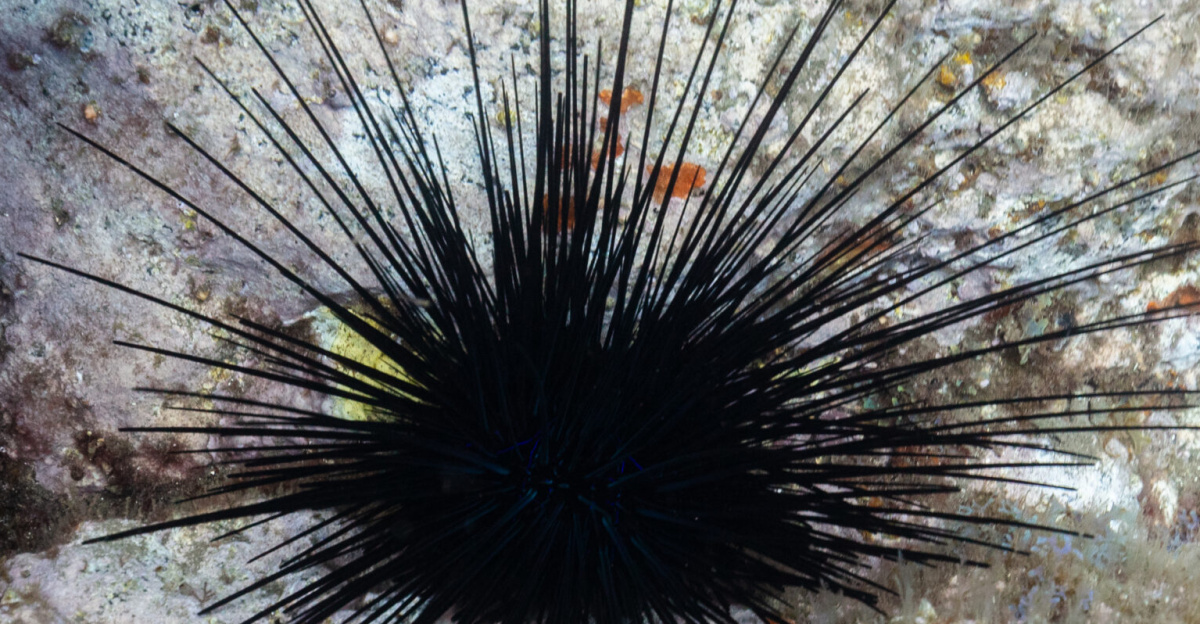
A strange disease has killed 99.7% of a type of sea urchin called Diadema africanum along Tenerife’s coast in just three years. This pushes the species close to dying out locally in the Canary Islands. Scientists do not know what the pathogen is, where it came from, or how to stop it. The illness keeps spreading fast across oceans.
This problem goes beyond the Canary Islands and nearby Madeira. It forms a worldwide die-off of Diadema urchins at the same time. The affected areas include the Caribbean, Mediterranean, Red Sea, and Indian Ocean. Experts call it the first global pandemic for these urchins. Healthy reefs full of life now look like empty deserts. The change stretches from the eastern Atlantic to the Sea of Oman.
Sick urchins show scary signs. They act like zombies. They get very slow and ignore dangers around them. They lose their hold on rocks and fall off. In the end, their bodies break apart. Their spines fall away from the skeleton. This happens quickly. Whole groups of urchins die in just days. It has hit islands like La Palma and Gomera hard.
Scientists Hunt for the Cause
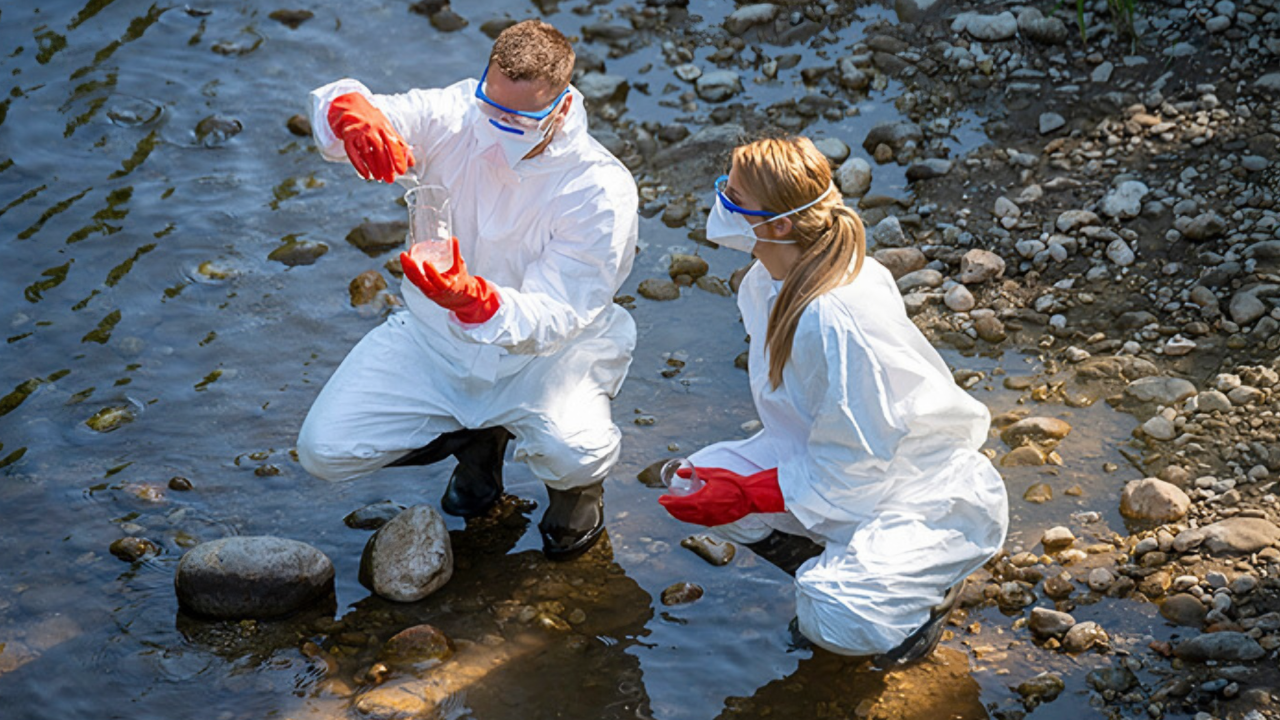
Researchers try hard to find the killer. They look at a parasite called a scuticociliate from the genus Philaster. This type caused past deaths of Diadema urchins in other places. In the Canary Islands before, an amoeba named Neoparamoeba branchiphila caused trouble. But this time, they cannot confirm the exact germ. That makes it hard to fight back.
The outbreak started in February 2022 near La Palma and Gomera in the west. It moved east through the islands that year. A second wave hit in 2023. It killed many of the survivors. Past events in 2008 and 2018 killed 93% of Tenerife’s urchins. But those populations bounced back. Nothing like that has happened since 2022.
Strange big waves from the south came right before the 2022 outbreak. The same happened before the 2008 and 2018 events. Experts think these waves stress the urchins. Or they might carry germs up from deep water.
No Babies Means Big Trouble
Studies from the University of La Laguna show a full stop in reproduction. During the main spawning time in September 2023, traps caught almost no baby urchins. By January 2024, young urchins were gone from shallow rocky spots where they grow. This creates a “genetic bottleneck.” It raises the risk of extinction.
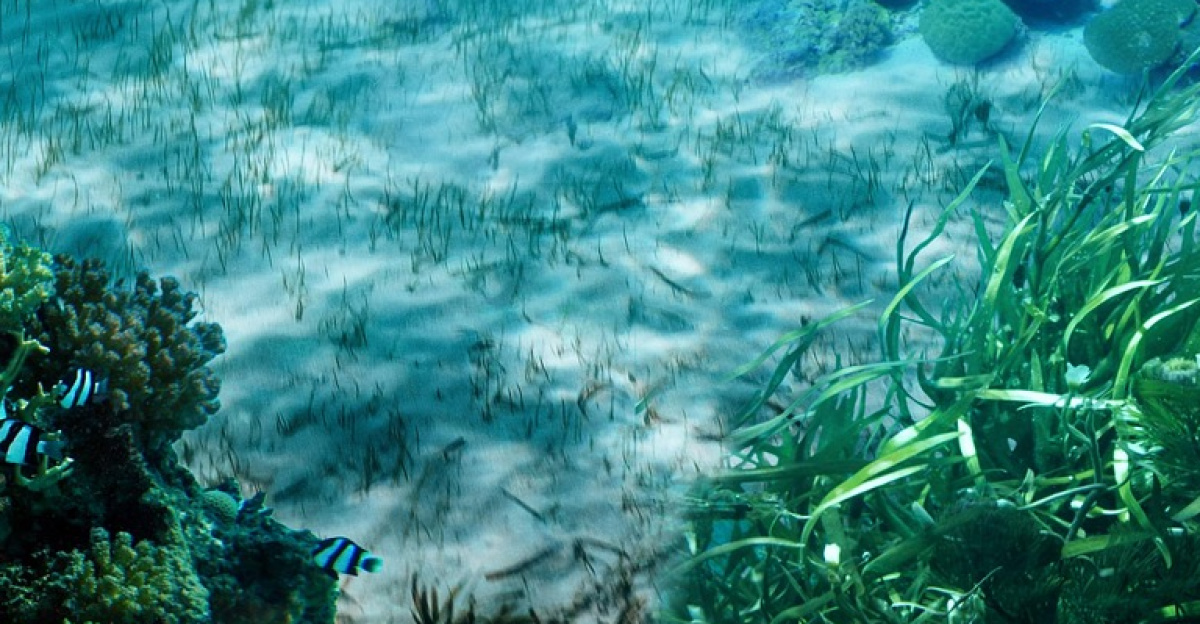
These urchins used to be a huge problem. Since the 1960s, their numbers exploded. People overfished their predators. The urchins ate all the plants on reefs. They made “urchin barrens” with bare rock. Now, 60 years of buildup is gone in less than four years. Reefs lost their key cleaners.
Diadema urchins act like ecosystem engineers. They eat tough seaweeds and seagrasses. These plants can smother corals and good algae. Without urchins, reefs might turn into boring algae fields.
Wider Damage and What Comes Next
The loss hurts the whole food chain. Fish, crabs, sea stars, and even sea mammals eat urchins. Now, there are gaps in food for them. This endangers local wildlife and fishing businesses.
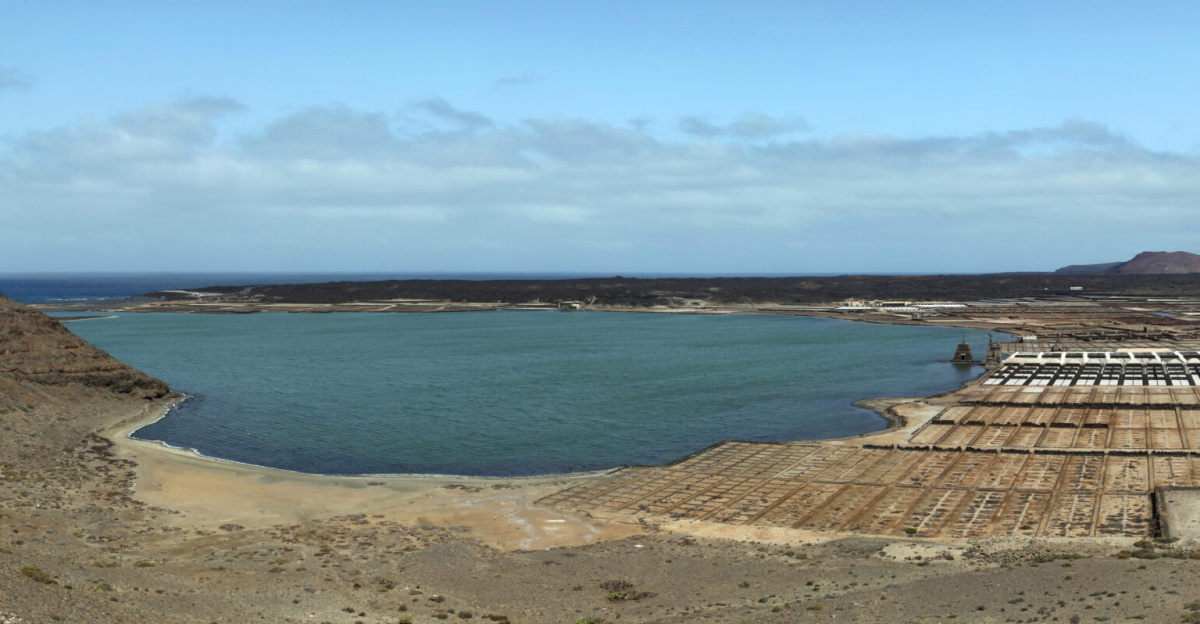
From summer 2022 to 2025, teams checked 76 sites on all seven main Canary Islands. They found the same drop everywhere. No safe spots remained. People tried to kill extra urchins by hand from 2005 to 2019. That did not work during past booms. But the disease wiped them out almost completely.
Southeast Asia and Australia have no problems yet. They might hold clues to why some urchins resist. Madeira has lost 90% in past events and keeps dying now. Ocean currents or ships likely spread it.
Iván Cano’s research shows the lowest numbers ever. Populations near local extinction after three years with no comeback. Climate change might help the pathogen. Warmer water and changed waves could play a role. It follows booms from warming and fewer predators.
Recovery might take decades. The 2023 wave shows the germ is still around. Reefs wait in a shaky balance. They need resistance to build or the disease to go away. This crisis shows how fragile oceans are. Unknown causes and chain reactions call for worldwide action now.
Sources:
“Sea urchin mass mortality in the Canary Islands and Madeira: A four-year pandemic,” Frontiers in Marine Science, 2025,
University of La Laguna, Department of Marine Sciences, Tenerife, Spain — Research team led by Iván Cano, doctoral student
Canary Islands Regional Government Marine Surveys, Summer 2022–Summer 2025 (76 monitored sites across seven main islands)
Mediterranean and Atlantic Ocean Regional Monitoring Programs — Diadema mortality tracking, 2022–2023
Caribbean Coral Reef Monitoring Initiative — Simultaneous Diadema die-off documentation, 2022–2023
International Council for the Exploration of the Sea (ICES) — Historical Diadema africanum population data, 1960s–present