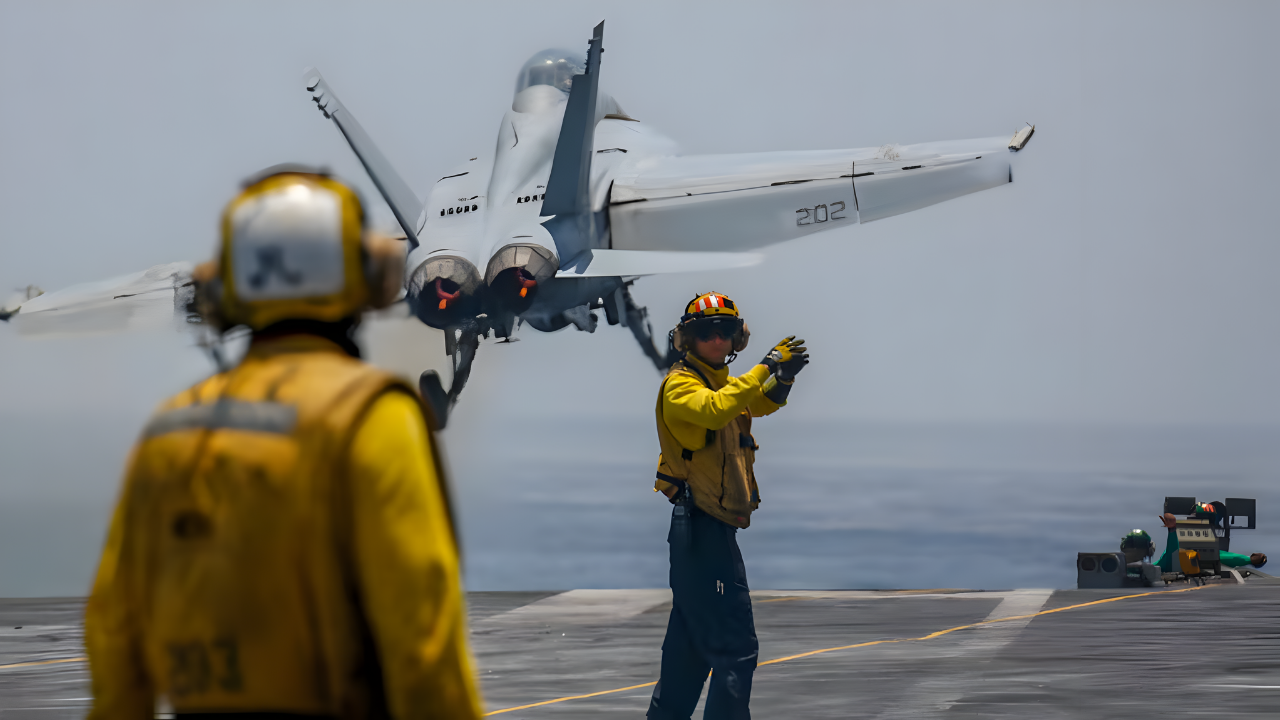
The United States has increased military activity in the Caribbean near Venezuela, according to public statements and reporting on recent deployments. U.S. naval forces and carrier-based aircraft have conducted operations in international waters and airspace close to Venezuelan territory, including the Gulf of Venezuela.
Washington says these movements align with long-standing security missions, but Caracas describes them as intimidation. The activity marks one of the most visible U.S. military postures near Venezuela in years.
Why Washington Is Turning the Screws
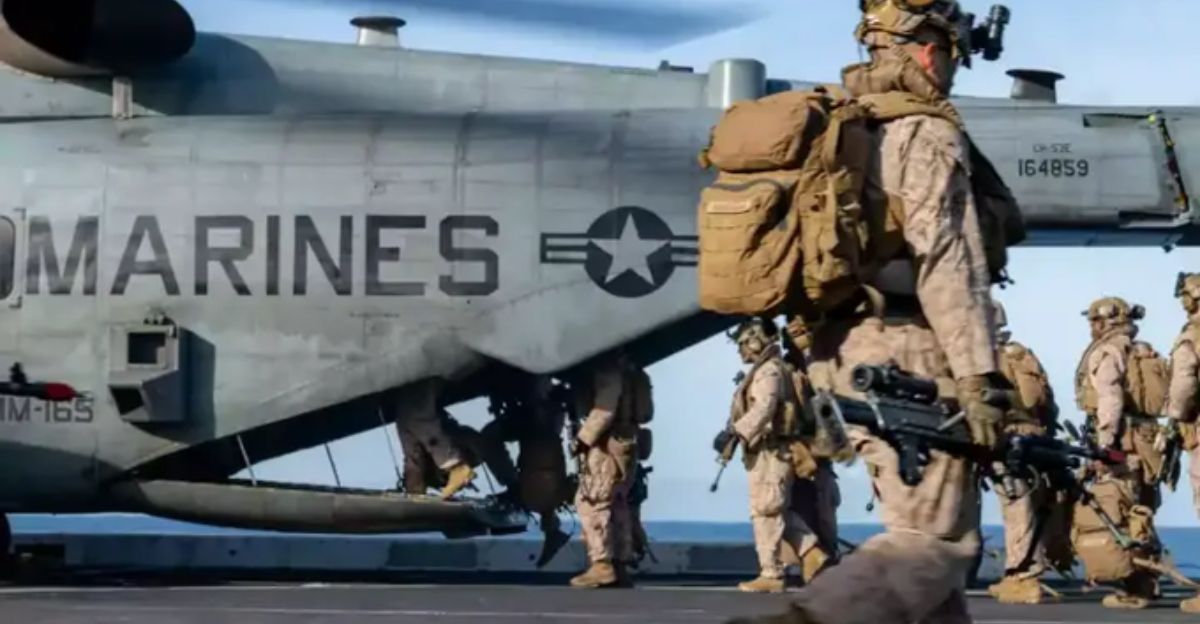
U.S. officials frame the deployments as part of counter-narcotics operations, maritime security, and enforcement of sanctions tied to Venezuela’s government.
The administration has repeatedly accused networks linked to President Nicolás Maduro of facilitating drug trafficking and corruption. Critics argue the military posture goes beyond interdiction and functions as coercive pressure on the regime itself. The renewed focus follows years of sanctions that have failed to produce political change in Caracas.
Migrants Caught Between Policies and Borders
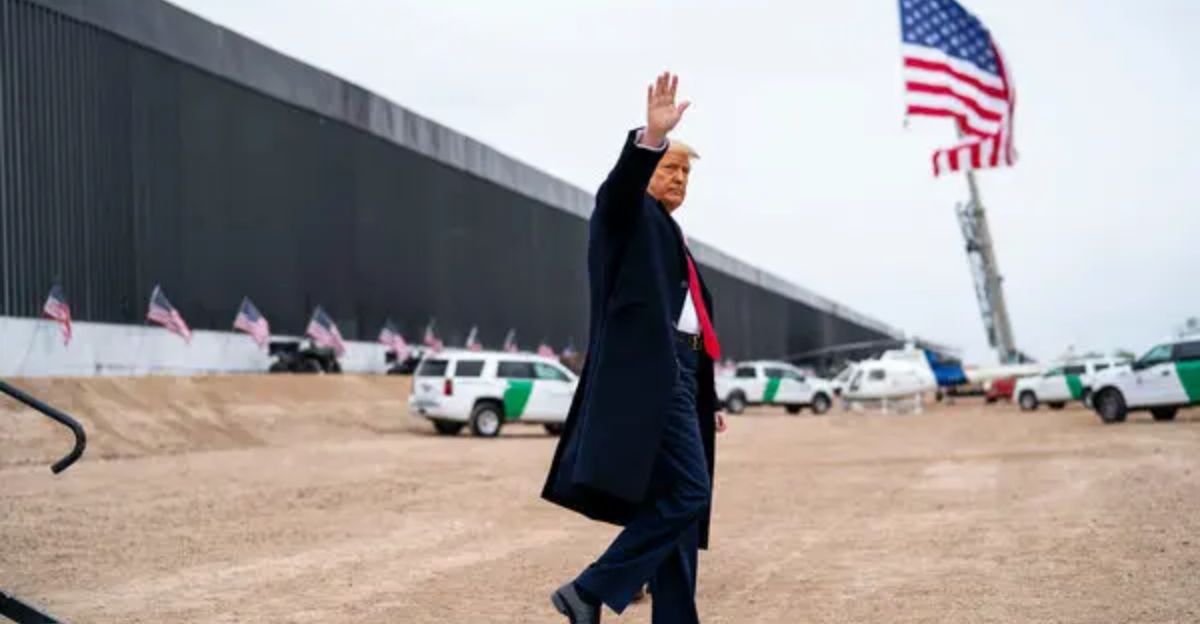
Military pressure coincides with shifting U.S. migration enforcement involving Venezuelan nationals. While deportation and repatriation policies have fluctuated, uncertainty leaves thousands of migrants stranded across the Americas.
Analysts warn that rising tensions could worsen displacement, as Venezuelans already fleeing economic collapse may delay return or attempt new migration routes. Regional governments fear that even limited escalation would intensify migration pressures on borders that are already under strain.
Oil, Shipping, and Energy Firms Recalculate
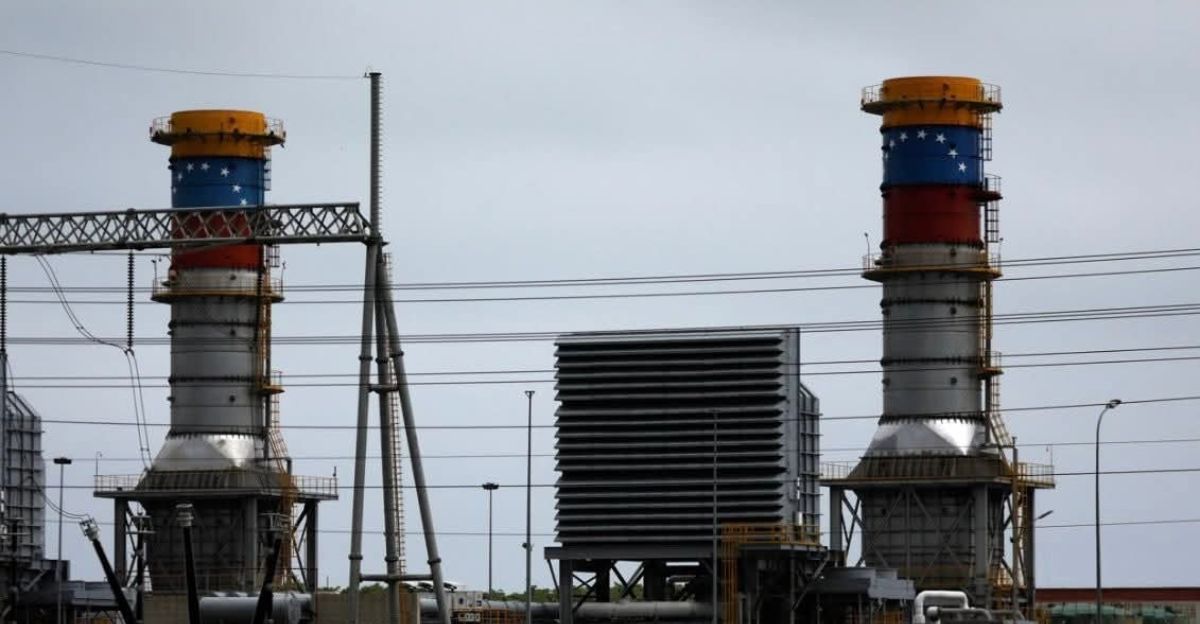
Venezuela’s oil sector sits at the center of the standoff. U.S. naval patrols operate near shipping lanes used for Venezuelan crude exports, which remain constrained by sanctions. Recent enforcement actions against sanctioned vessels have heightened caution among shippers and insurers.
Energy firms are reassessing exposure to Caribbean routes linked to Venezuela, weighing legal risks, higher insurance premiums, and potential disruptions to supply chains that depend on predictable maritime access.
Military Assets Signal Deterrence
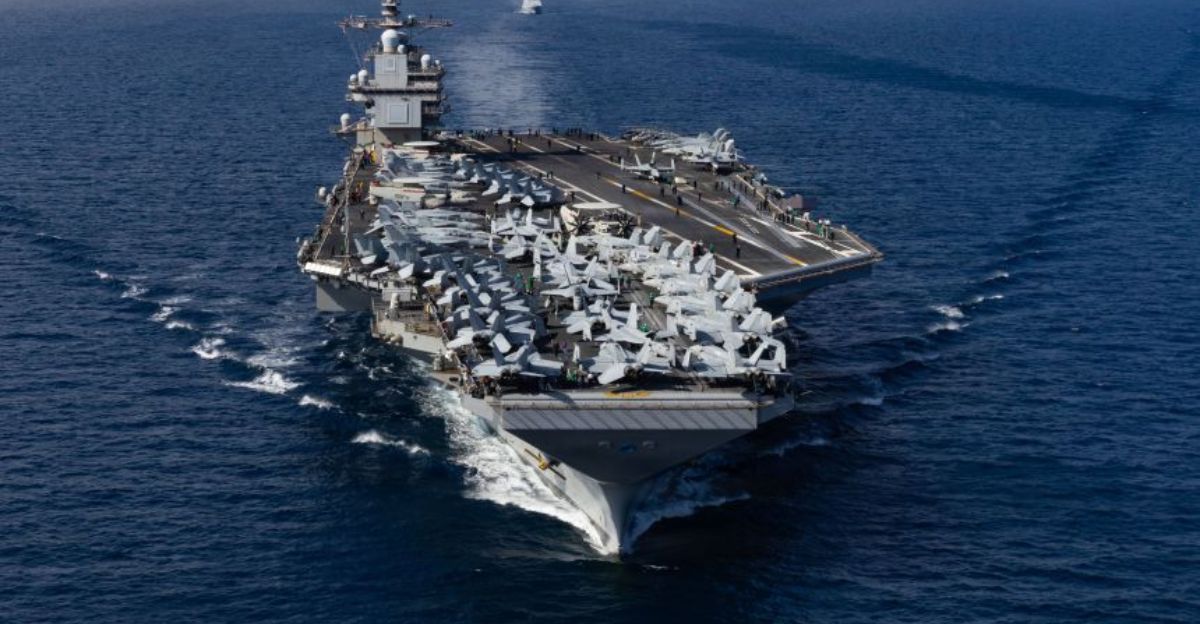
Reported regional operations have involved U.S. carrier-based aircraft such as F/A-18 strike fighters and electronic-warfare platforms. These assets provide surveillance, deterrence, and rapid-response capabilities rather than signaling imminent attack.
Venezuela, meanwhile, continues to rely on air-defense systems acquired from Russia and other partners. The visible presence of advanced aircraft on both sides underscores how deterrence, rather than direct engagement, currently defines the military balance.
Trade Routes and Airlines Reroute Around Risk
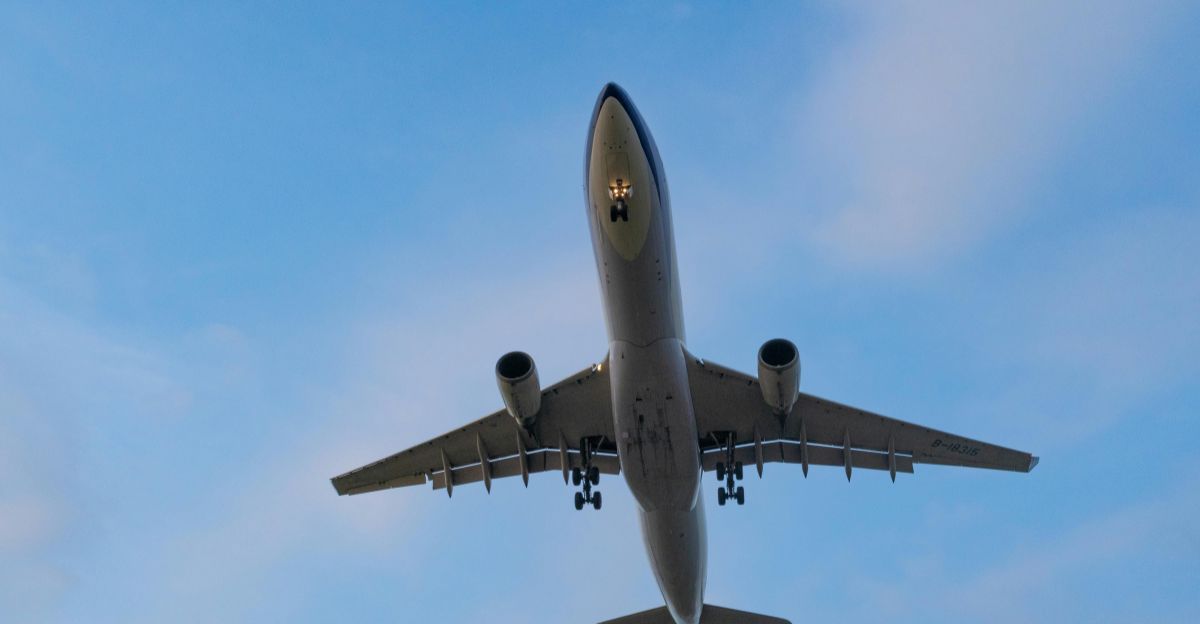
Heightened tensions have prompted caution across the aviation sector. Airlines monitor advisories and operational risk when flying near or over Venezuelan airspace, adjusting routes when necessary. Even modest diversions increase fuel costs and travel times across northern South America and the Caribbean.
Cargo operators face similar challenges, particularly when sanctions compliance intersects with airspace risk, reinforcing the broader economic impact of geopolitical uncertainty.
Soldiers, Sailors, and Civilians on the Front Line
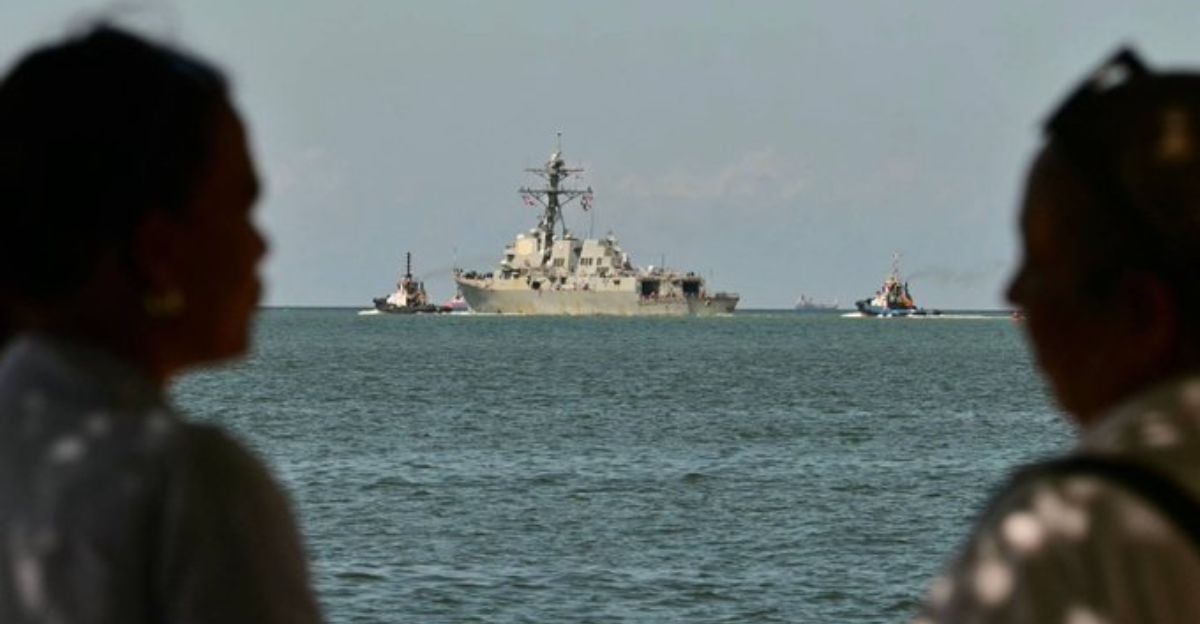
U.S. naval personnel operate within range of Venezuelan territory as part of routine deployments, while Venezuela’s government emphasizes readiness through military exercises and public mobilization rhetoric.
Official claims about militia size are widely debated, but drills and alerts affect daily life in coastal regions. For civilians, frequent flyovers, blackouts, and emergency messaging deepen anxiety in a country already grappling with prolonged economic hardship.
Washington’s Hard Line Meets Regional Diplomacy
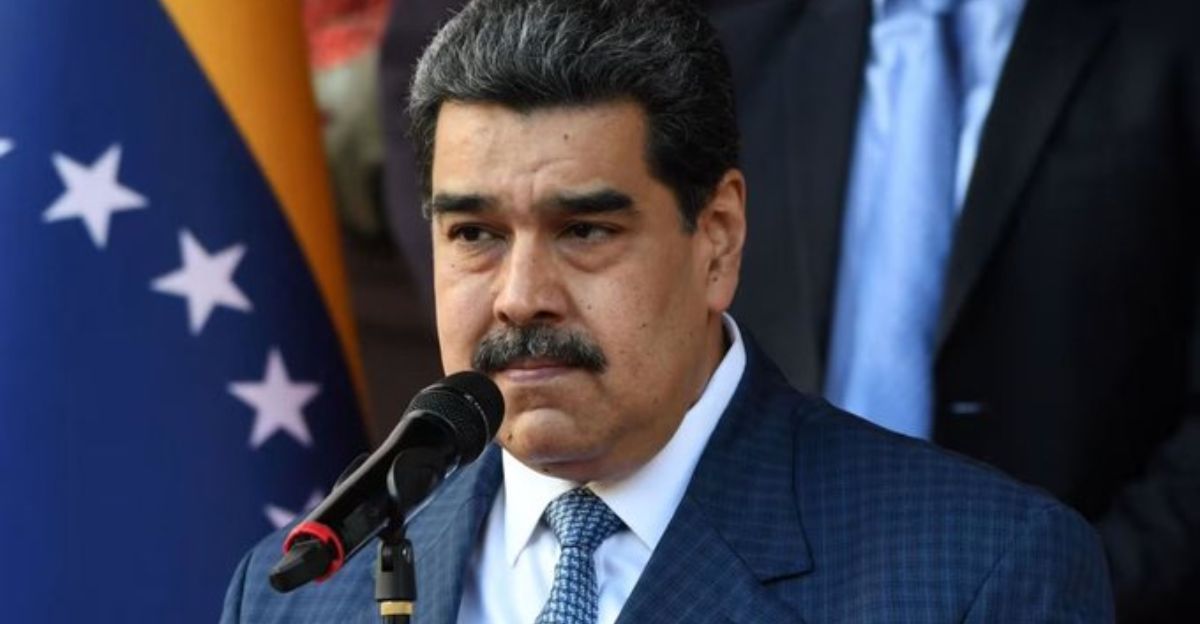
U.S. policy toward Venezuela mixes military pressure with selective diplomatic and economic adjustments.
Changes to energy licenses and sanctions enforcement have been paired with strong rhetoric against Maduro’s government. In Congress, lawmakers debate legal authorities for counter-drug actions and broader pressure campaigns. Across Latin America, reactions remain divided, with some governments backing U.S. enforcement efforts while others warn against escalation and regional destabilization.
Drug War Claims and Economic Shockwaves
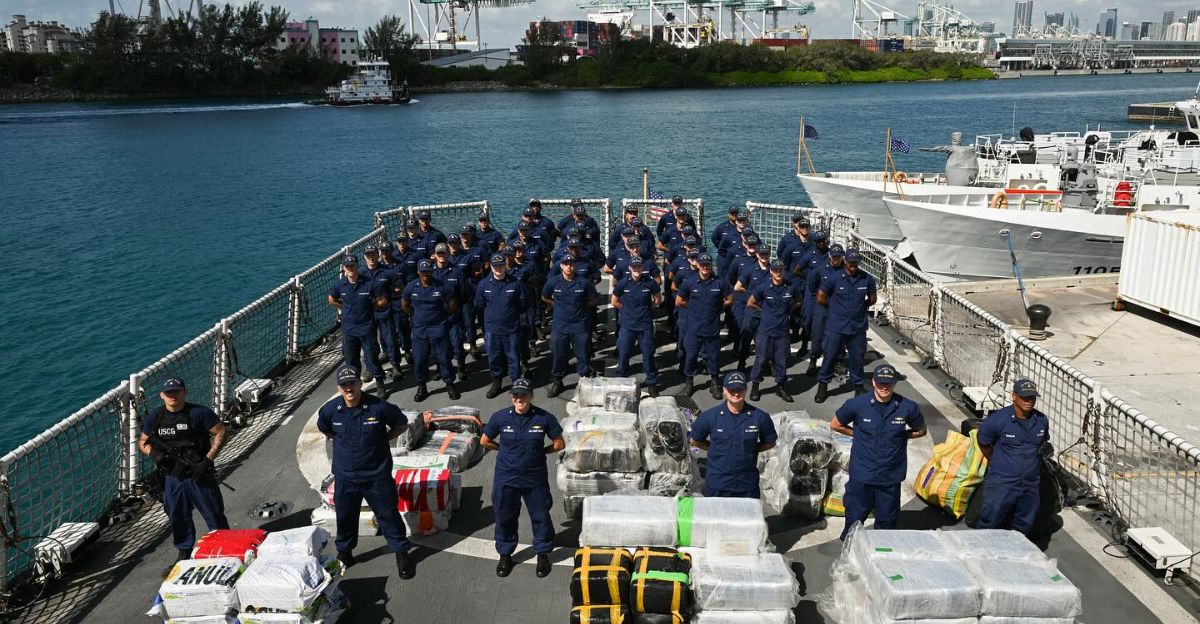
U.S. authorities report intercepting drug shipments in Caribbean waters linked to trafficking routes near Venezuela. Washington argues that disrupting these flows weakens criminal financing tied to state corruption.
Economists caution, however, that tighter enforcement and reduced oil exports could further strain Venezuela’s fragile economy. Any additional contraction risks worsening inflation, shortages, and unemployment, amplifying humanitarian pressures both inside the country and across neighboring states.
Retailers Hedge Against Supply and Price Spikes
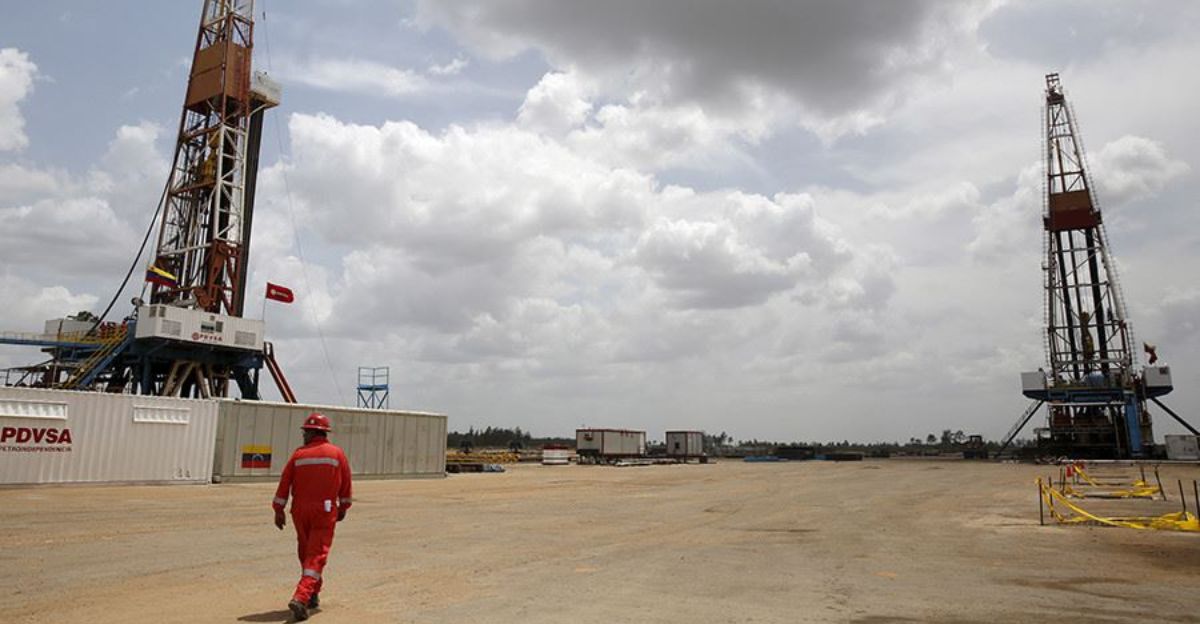
Retailers across the Americas are reassessing supply chains connected to Venezuela, particularly for energy-related inputs and petrochemicals. Rising transport costs, insurance premiums, and compliance requirements make Venezuelan-linked sourcing less predictable.
Many firms are diversifying suppliers to reduce exposure, a shift that can raise prices for consumers. Even companies without direct ties to Venezuela feel indirect effects through fuel costs and regional logistics disruptions.
Airlines, Hotels, and Tourism Turn Defensive
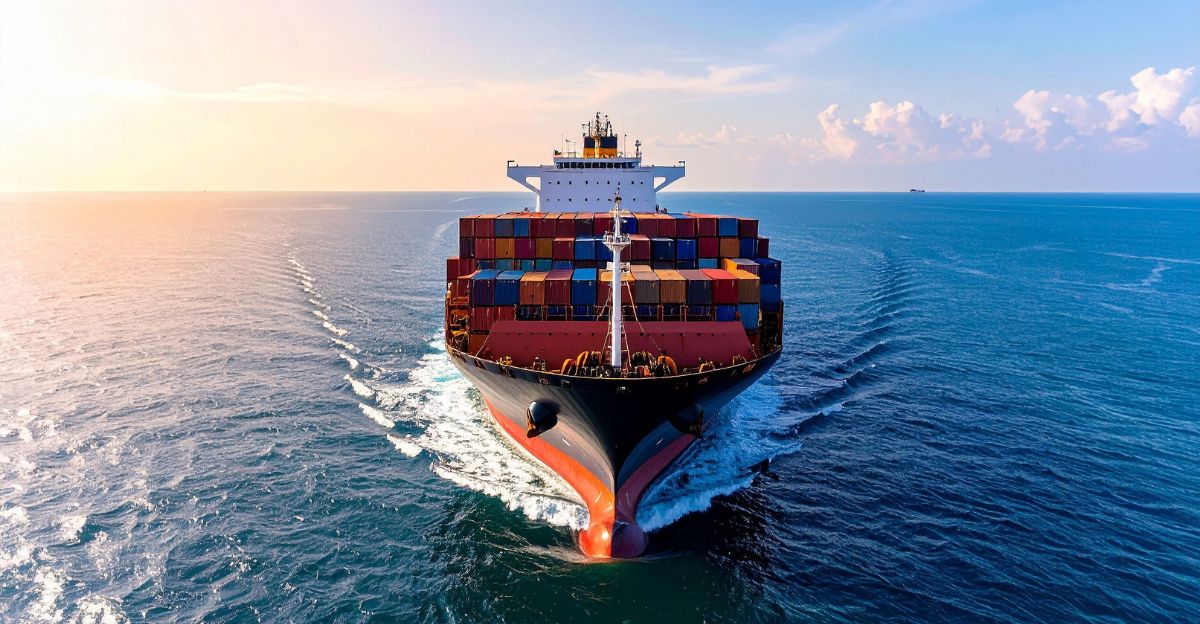
International carriers have reduced or consolidated service to Caracas, citing demand, insurance, and operational concerns.
Cruise operators also avoid nearby ports to limit risk. Caribbean tourism hubs that once relied on Venezuelan travelers report softer bookings, while cities like Panama City and Bogotá see increased stays from diplomats, journalists, and migrants. The tourism sector reflects how geopolitical tension reshapes travel patterns long before any conflict occurs.
Oil Services and Logistics Under Pressure
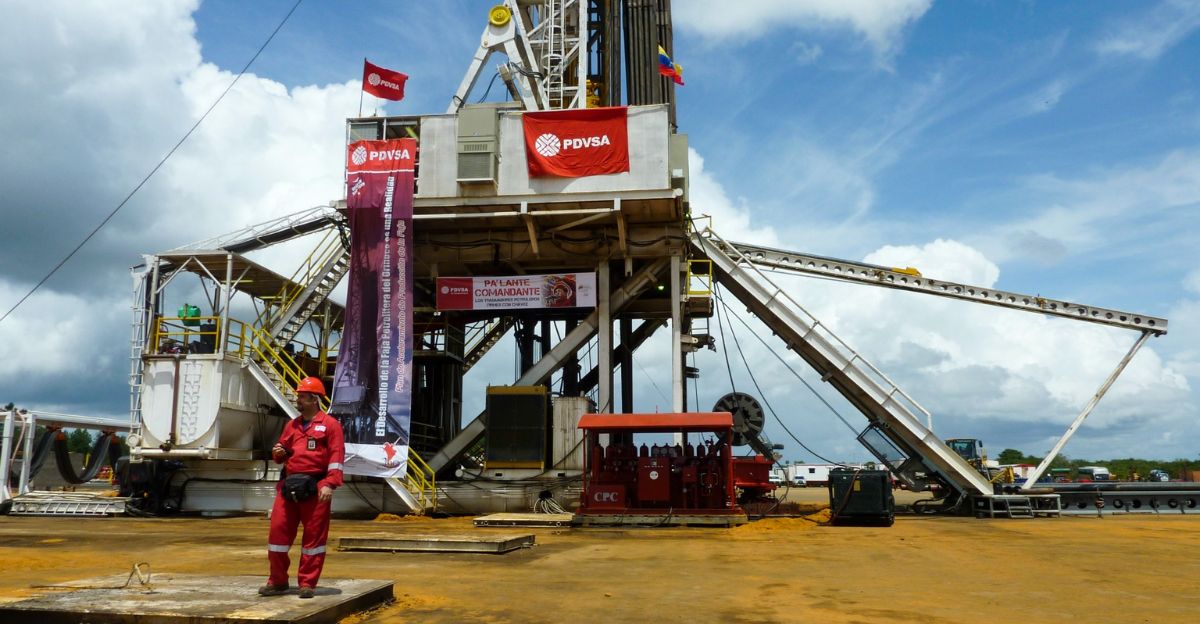
Companies supporting Venezuela’s oil industry face heightened scrutiny as sanctions enforcement intensifies. Banks, insurers, and freight forwarders must navigate complex compliance rules tied to Maduro-linked entities.
The presence of U.S. military assets nearby adds another layer of perceived risk. As a result, firms reassess contracts involving ports, storage facilities, and bunkering hubs throughout the Caribbean, tightening access to services Venezuela’s energy sector depends on.
A Global Audience Watches Closely
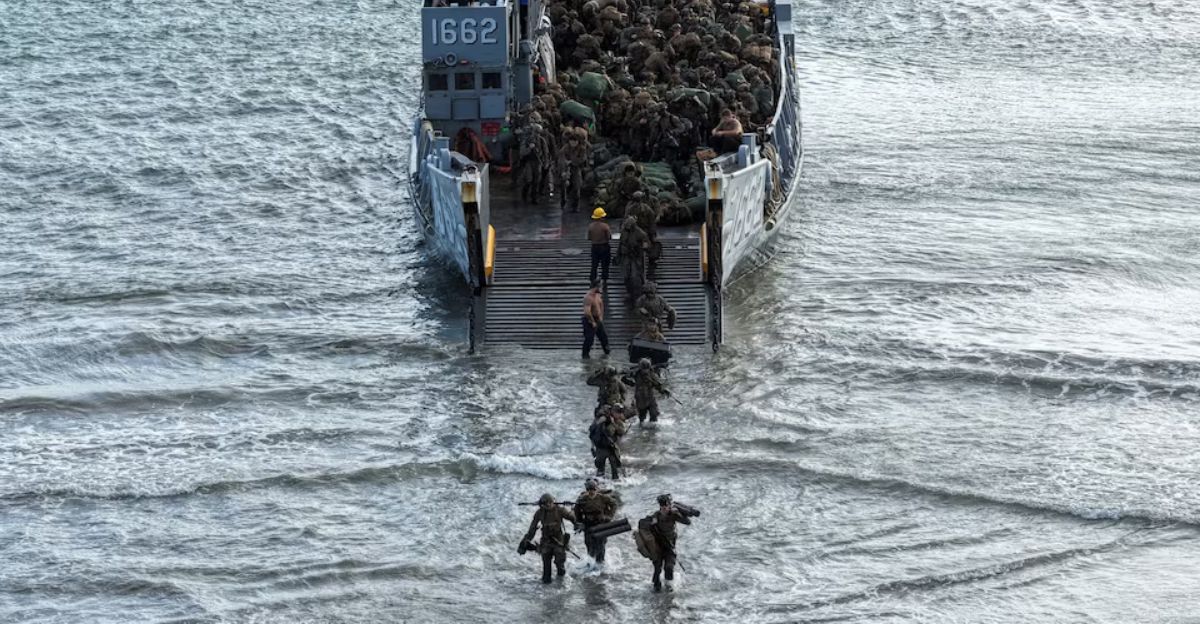
Major powers and international markets monitor U.S.–Venezuela tensions for broader implications. Russia, China, and Iran maintain political or economic ties with Caracas, while European governments track impacts on aviation and energy.
Asian refiners consider how supply disruptions could alter crude sourcing. Multilateral institutions quietly adjust risk assessments, reflecting concern that even limited escalation could ripple far beyond the Caribbean.
Mental Health and Daily Life Under Strain
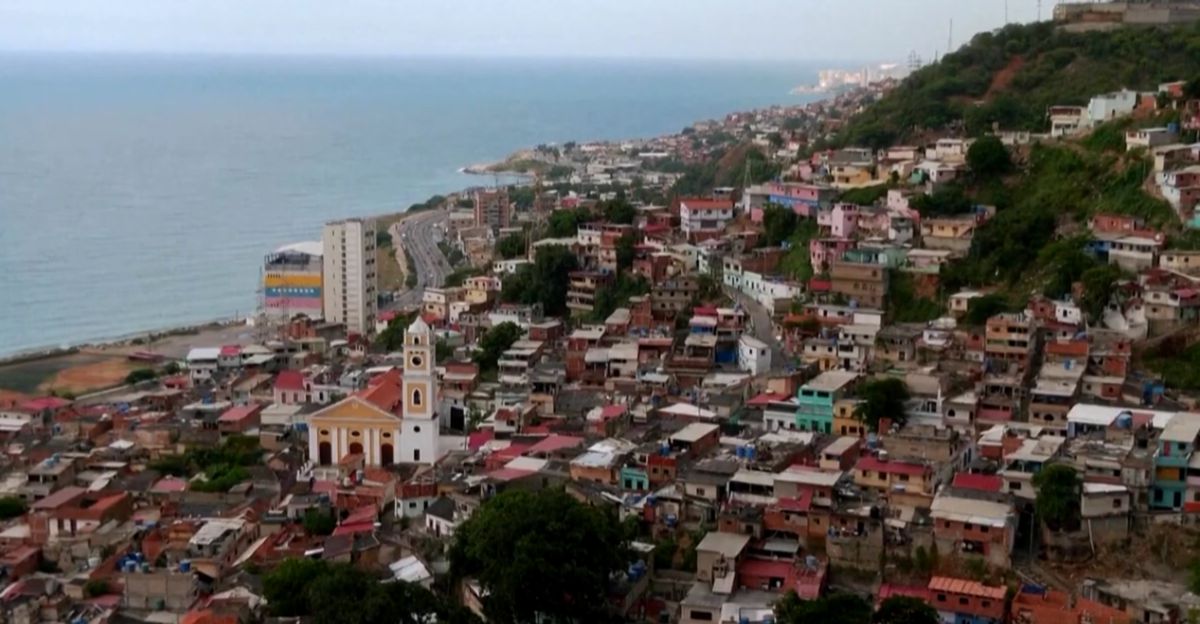
Inside Venezuela, military rhetoric compounds long-running economic stress. Residents report anxiety linked to exercises, power outages, and fears of confrontation.
Health workers and NGOs warn that any disruption to infrastructure would overwhelm hospitals already short on supplies and staff. Even without direct conflict, the psychological toll of constant tension weighs heavily on communities that have endured years of instability and hardship.
Debating Intervention, Sovereignty, and Law

Legal experts and human-rights advocates question how far counter-drug operations can go under international law. Critics argue that expanded military pressure risks violating sovereignty and escalating unintended consequences.
Analysts such as Doug Bandow of the Cato Institute warn that militarized pressure is more likely to deepen instability than deliver political reform. The debate highlights unresolved questions about effectiveness, legality, and long-term outcomes.
Winners, Losers, and Uneven Effects
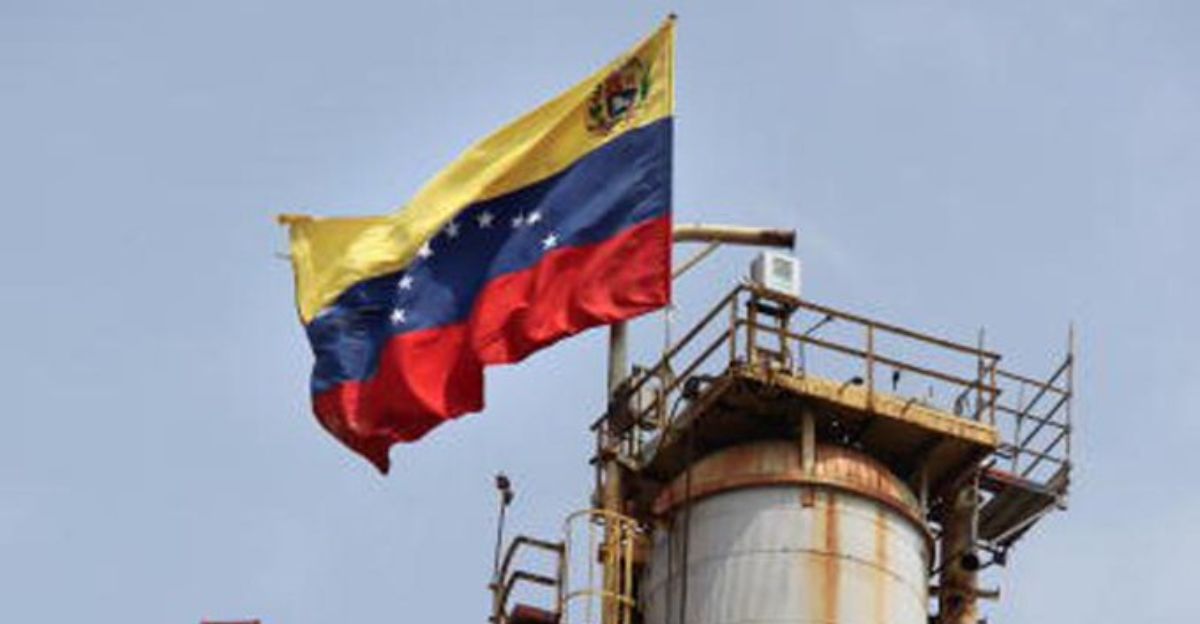
Defense firms supplying aircraft, surveillance, and electronic-warfare systems benefit from sustained tension.
Competing oil producers may gain if Venezuelan crude remains constrained. The costs, however, fall unevenly on Venezuelan civilians, regional airlines, and migrants navigating uncertain policies. Economic pain spreads far beyond political elites, reinforcing criticism that pressure campaigns often hurt populations more than governments.
Markets Price in Risk
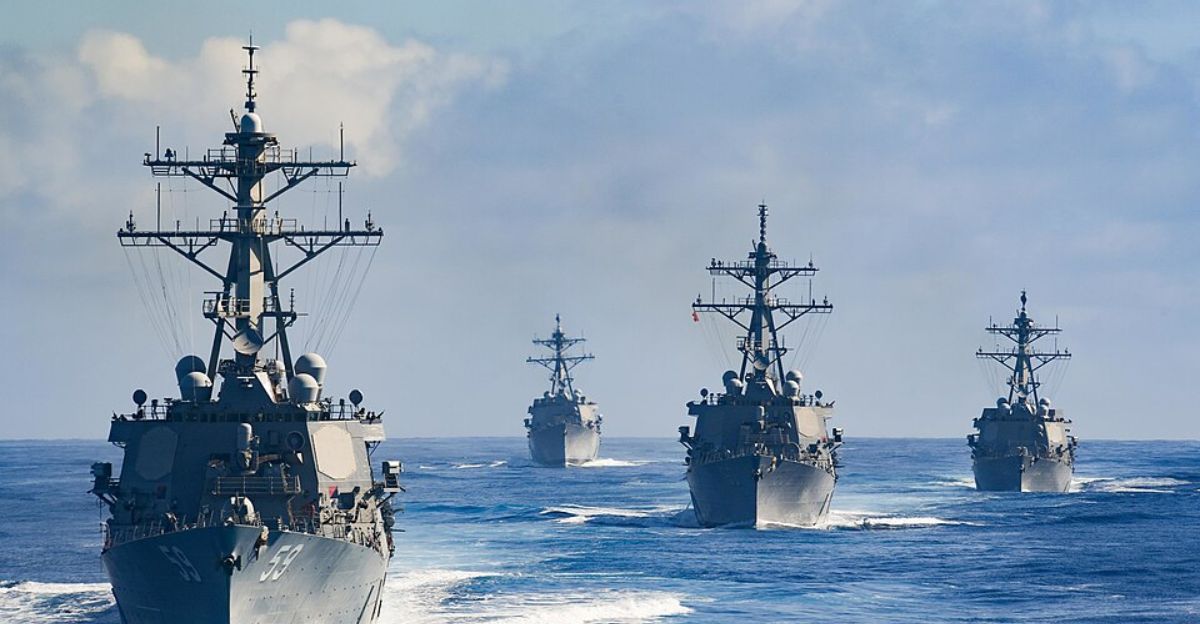
Energy traders and shipping insurers factor higher risk into operations near Venezuelan waters. Even limited enforcement actions can widen price spreads for Caribbean crude and increase freight costs.
Currency and emerging-market investors track developments closely, sensitive to signals that instability could spill over. Markets respond not only to events, but to uncertainty itself, amplifying the economic impact of unresolved standoffs.
What Travelers, Consumers, and Investors Can Do
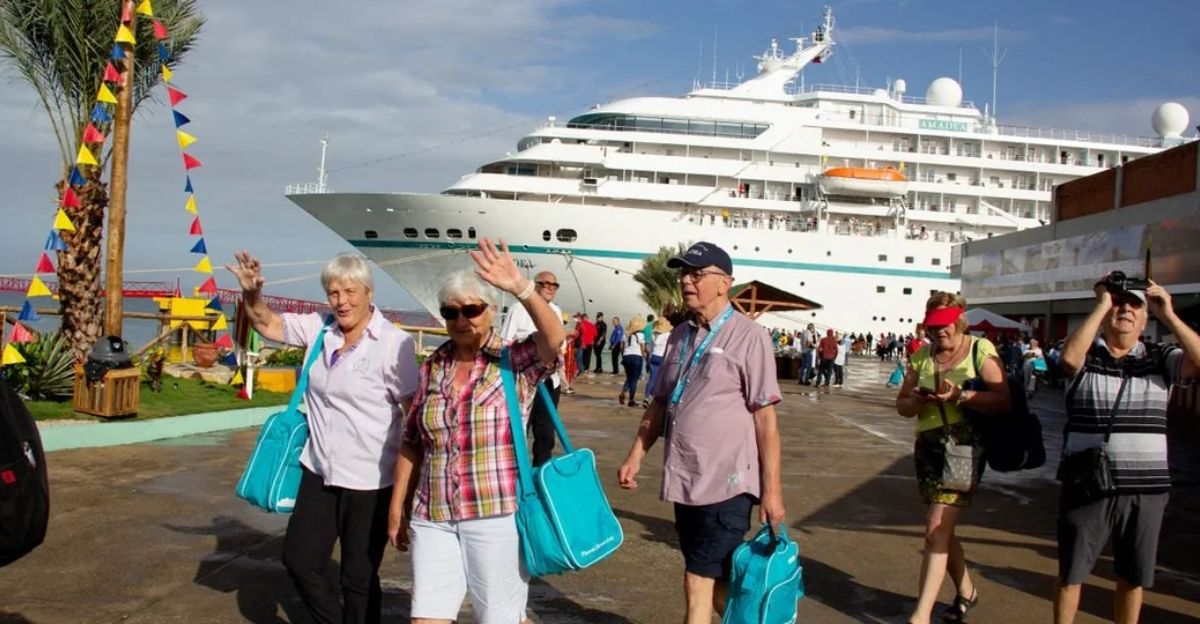
Travelers should stay alert to advisories affecting routes near Venezuela or Caribbean hubs. Consumers may encounter fuel or airfare fluctuations, making comparison shopping more important.
Investors can review exposure to sectors sensitive to sanctions, aviation risk, or energy volatility. In periods of geopolitical tension, diversification and awareness often matter more than attempting to predict sudden policy shifts.
Scenarios: Standoff or Escalation
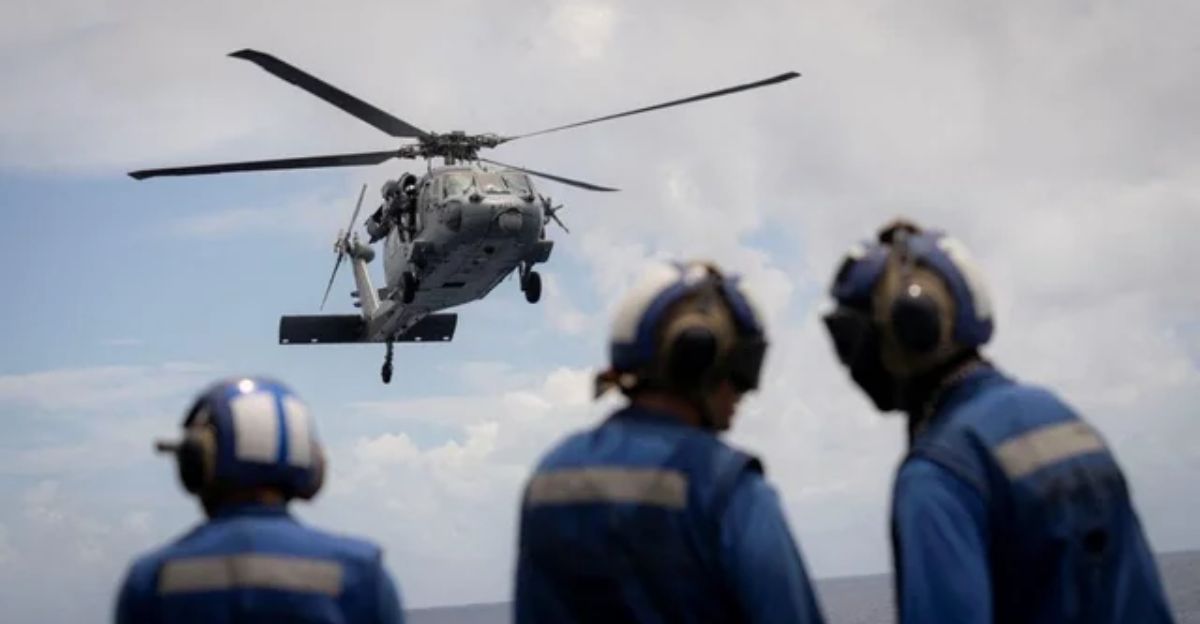
Analysts outline several paths forward: a prolonged standoff centered on interdiction and sanctions, renewed diplomacy led by regional mediators, or escalation involving strikes on criminal infrastructure. Each scenario carries trade-offs for migration, markets, and security into 2026.
The absence of a clear political endgame fuels concern that pressure could persist without delivering stability or resolution.
How Tensions Ripple Across a Hemisphere
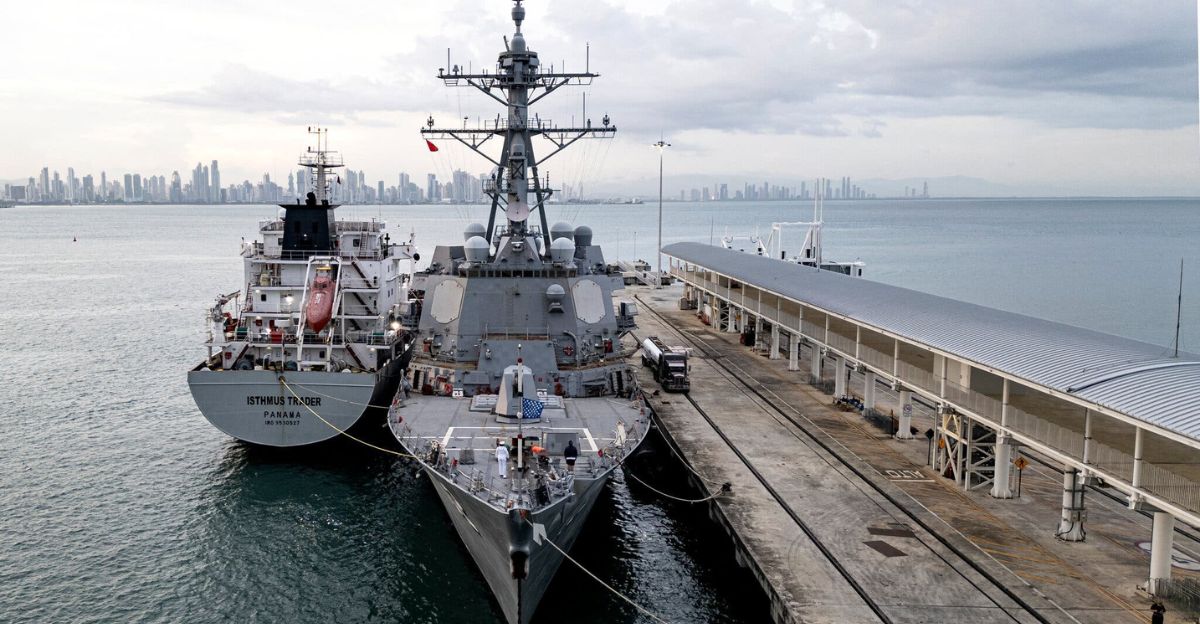
What Washington frames as counter-drug enforcement now shapes migration flows, airline routes, energy markets, and regional politics.
As U.S. aircraft operate near the Gulf of Venezuela and pressure on Maduro continues, governments and businesses plan for sustained uncertainty. For millions across the hemisphere, the standoff is not abstract geopolitics—it is a force quietly reshaping daily decisions, risks, and futures.
Sources:
What Is Happening Between the United States and Venezuela
Britannica
U.S.–Venezuela tensions escalate as Trump considers land strikes
CGTN
Trump orders blockade of Venezuela, targeting sanctioned oil tankers
Politico
Why the US is trying to tie the drug trade to terrorism
BBC
Trinidad and Tobago Sides With U.S. in Battle Against Venezuela Drug Routes
New York Times
Spurring conflict: Venezuela and the US thirst for foreign oil
Al Jazeera