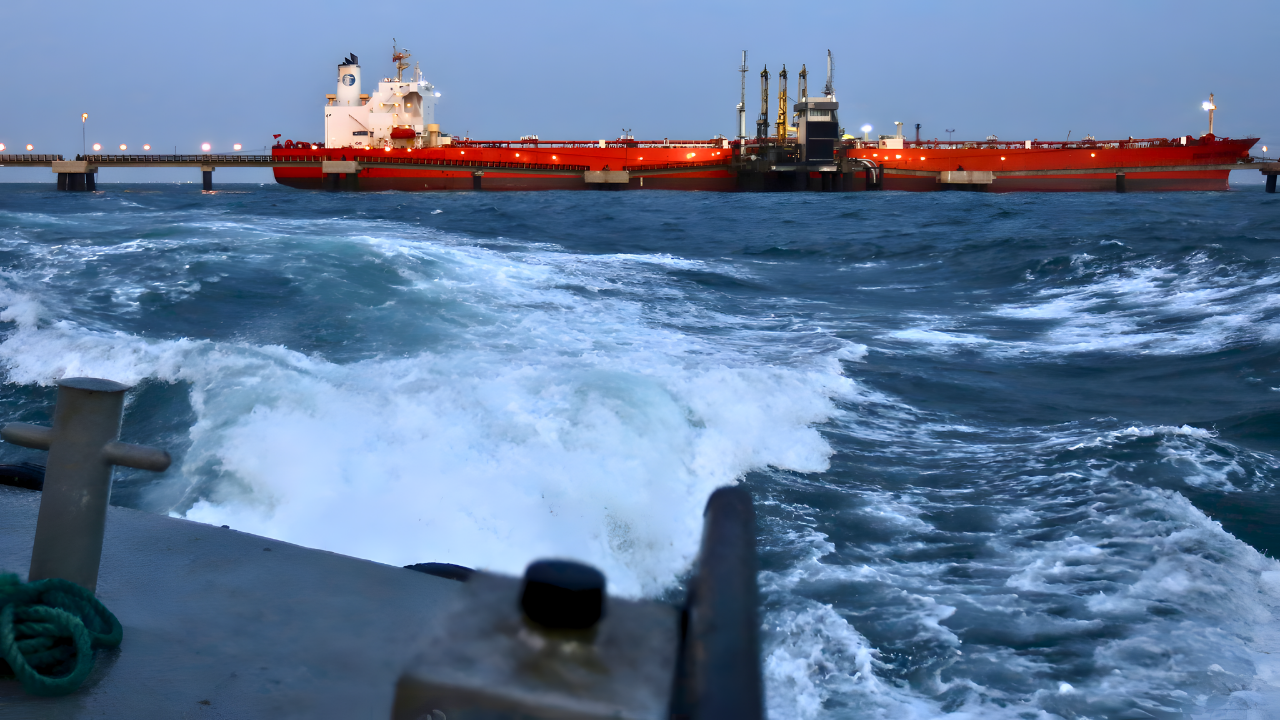
U.S. forces have intensified efforts to choke off Venezuela’s oil exports, interdicting tankers in international waters off the South American country’s coast.
Officials frame the moves as enforcement of sanctions on President Nicolás Maduro’s government and its “shadow fleet” of deceptive tankers, while critics say Washington is edging toward an unlawful naval blockade with global economic and legal repercussions.
A Sanctioned Tanker Near Venezuela
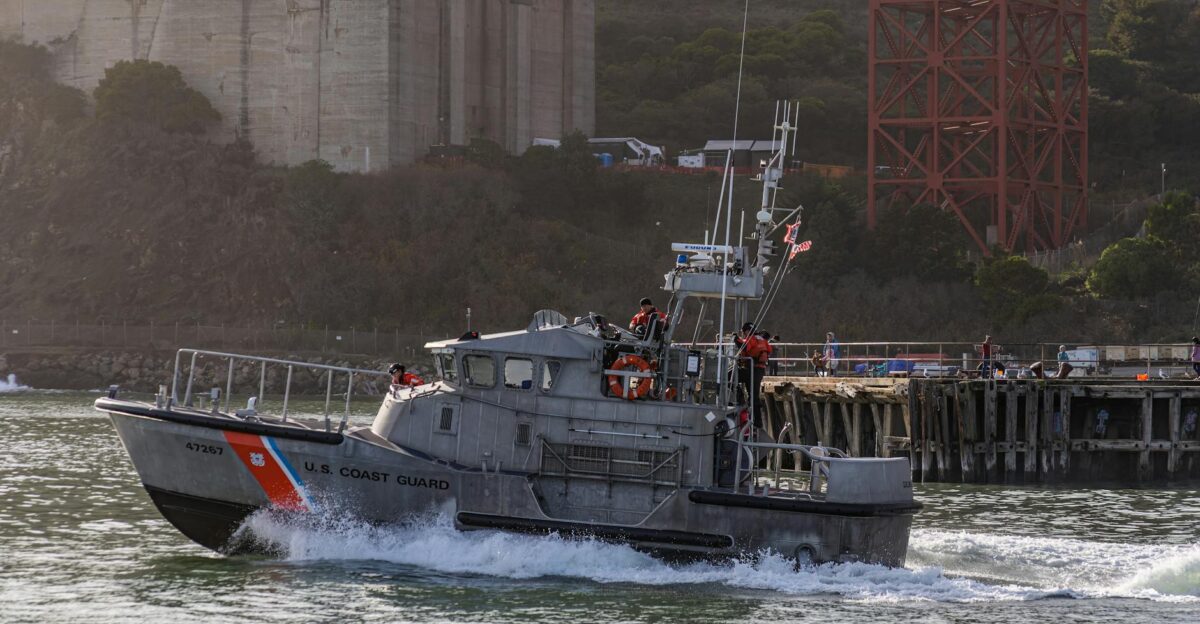
In the most recent operation, U.S. Coast Guard units moved to interdict a sanctioned tanker operating near Venezuela that American officials say is tied to long‑running sanctions evasion schemes.
The vessel is accused of using false flagging and opaque ownership networks to move Venezuelan crude in defiance of U.S. restrictions, part of a larger pattern Washington now aims to confront at sea.
Skipper Seizure Marked the Opening Shot
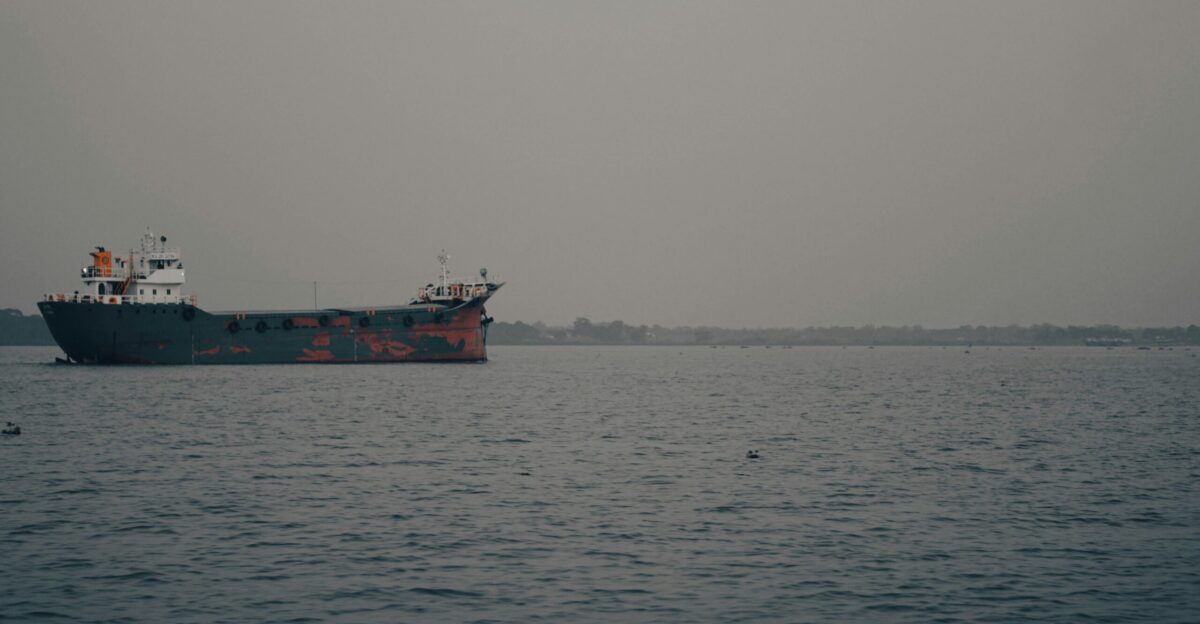
The current campaign began December 10, when the U.S. seized the tanker Skipper in international waters off Venezuela.
Washington says the ship was effectively stateless, flying a bogus Guyanese flag, and had been under U.S. sanctions since 2022 for allegedly helping move Iranian oil tied to Hezbollah and other designated groups, while carrying roughly 1.4 million barrels of Venezuelan crude.
Centuries Case Shows Escalating Enforcement
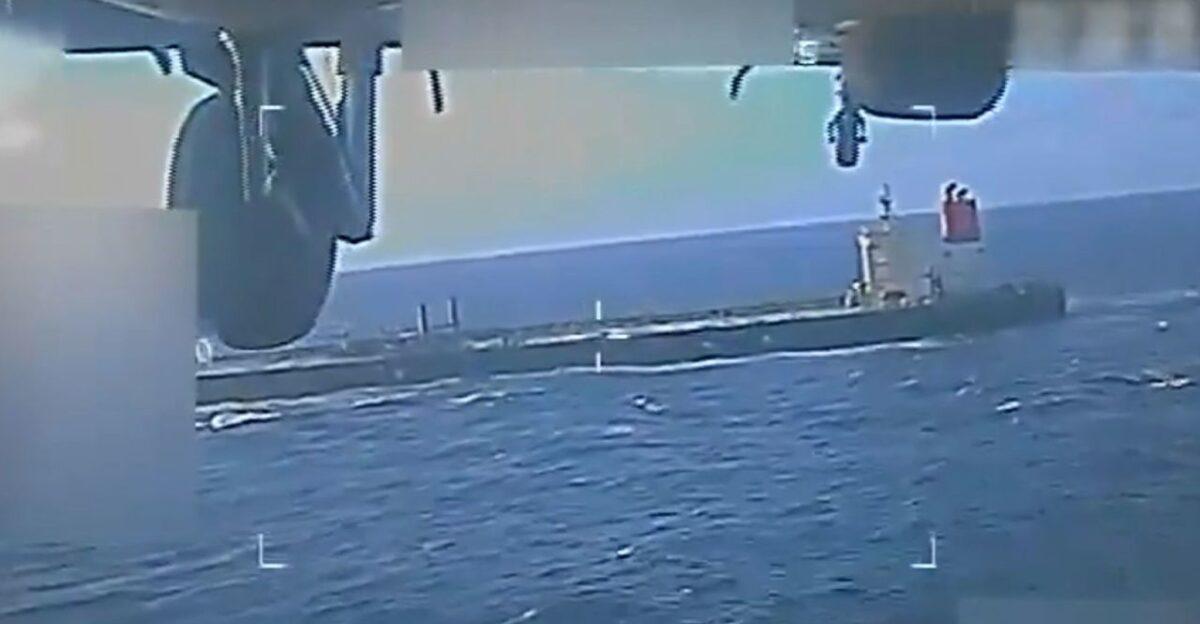
Ten days later, U.S. forces boarded and seized a second vessel, the Panama‑flagged Centuries, in what officials called a “consented boarding.”
Unlike the Skipper, Centuries itself was not under sanctions at the time, but it was loaded with about 1.8 million barrels of Venezuelan crude. Analysts see the move as deliberate escalation meant to scare off other traders considering lifting Venezuelan oil.
Bella 1 Highlights Risks of Defiance at Sea
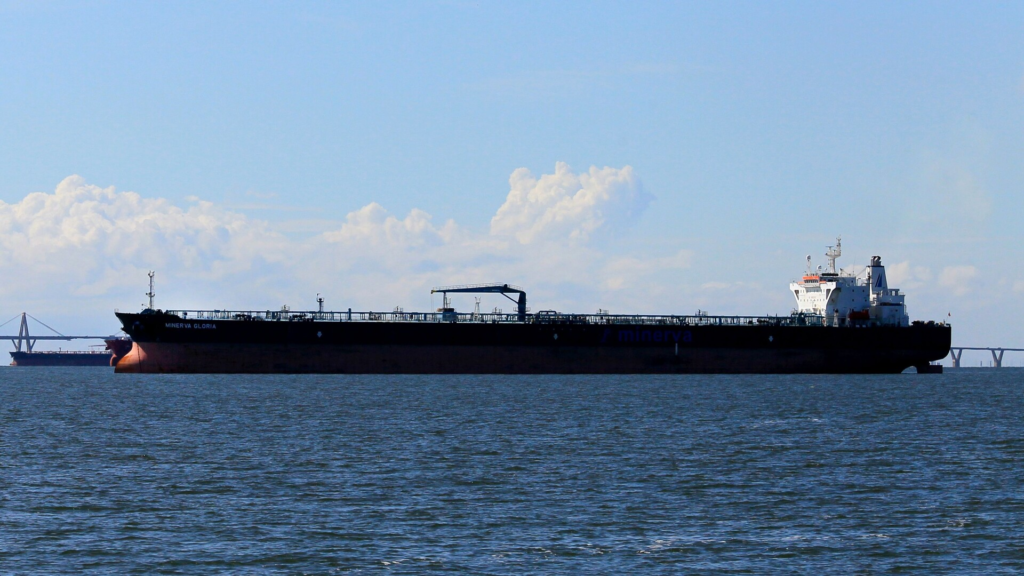
A third tanker, the sanctioned Bella 1, has underscored operational risks. When U.S. forces attempted to board it near Venezuela, the vessel reportedly ignored orders and continued sailing, despite being accused of flying a false flag and having a U.S. judicial seizure warrant for prior Iranian oil shipments.
Its defiance forced Washington to mobilize specialized boarding teams and surveillance assets.
Trump Announces “Total and Complete Blockade”
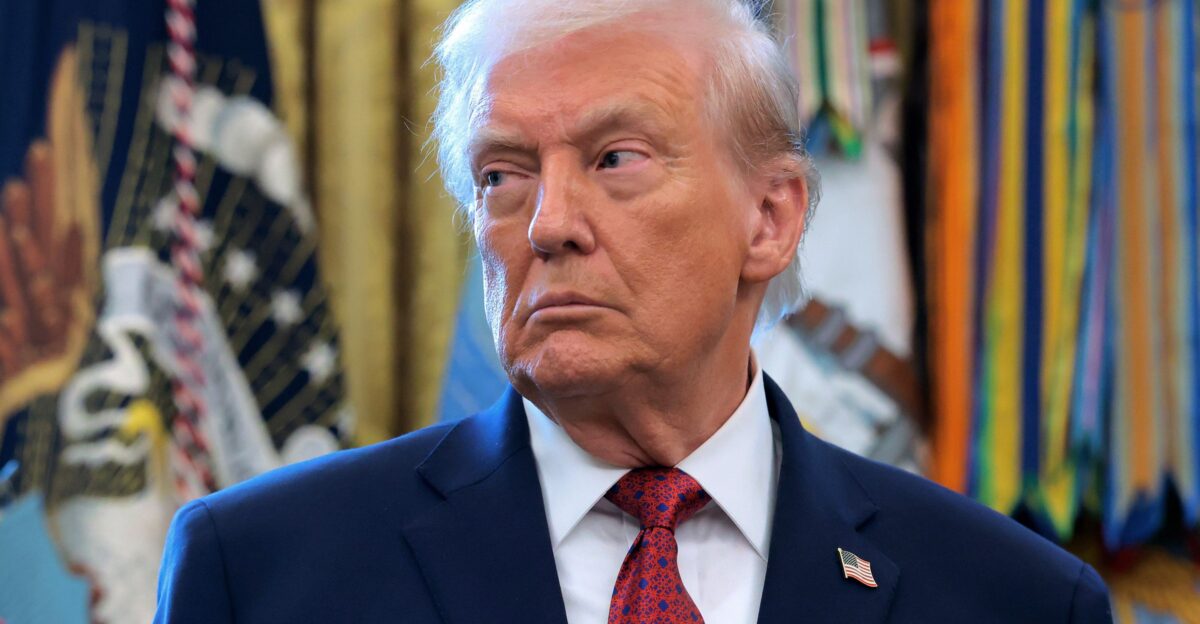
President Donald Trump responded to the tanker seizures by declaring a “total and complete blockade of all sanctioned oil tankers going into and out of Venezuela,” dramatically raising the stakes.
The announcement signals an intention to shift from financial sanctions to active interdiction at sea, even as lawyers and diplomats warn that the term “blockade” historically denotes an act of war.
Venezuela Designated a Foreign Terrorist Organization
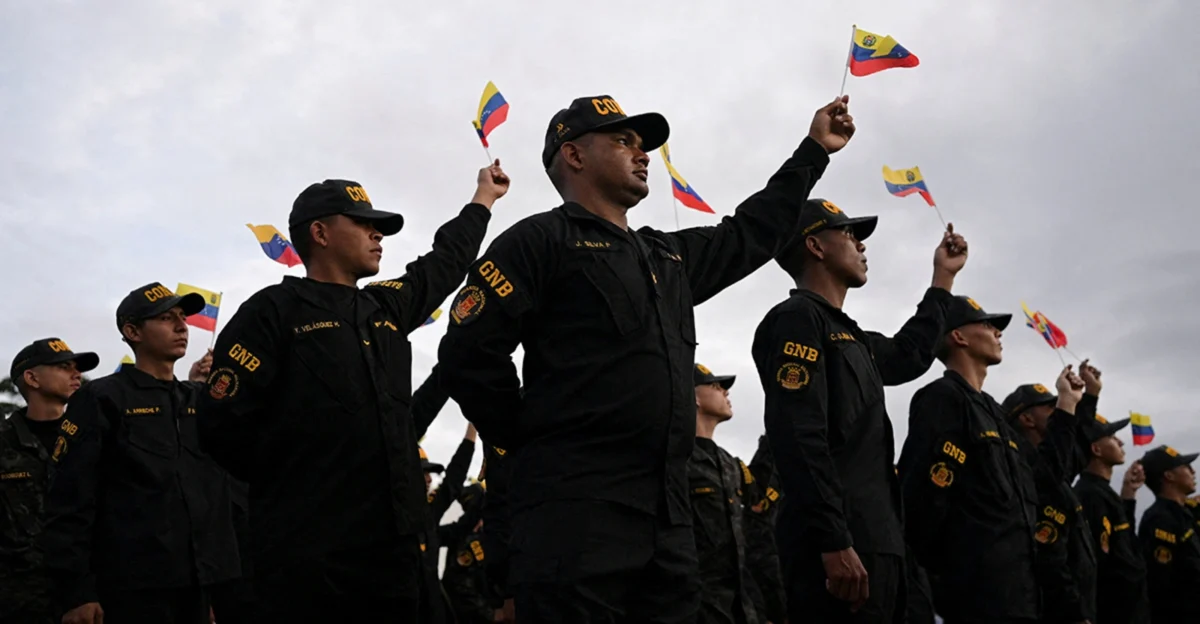
Alongside the maritime push, Trump designated the Venezuelan government a Foreign Terrorist Organization, a label that expands U.S. authorities to target its finances and operations.
Officials argue the move opens additional legal pathways to stop, search and seize vessels tied to Venezuelan oil, portraying Maduro’s inner circle as a “narco‑terrorist” regime whose survival depends on illicit crude flows.
Operation Southern Spear Provides Military Muscle
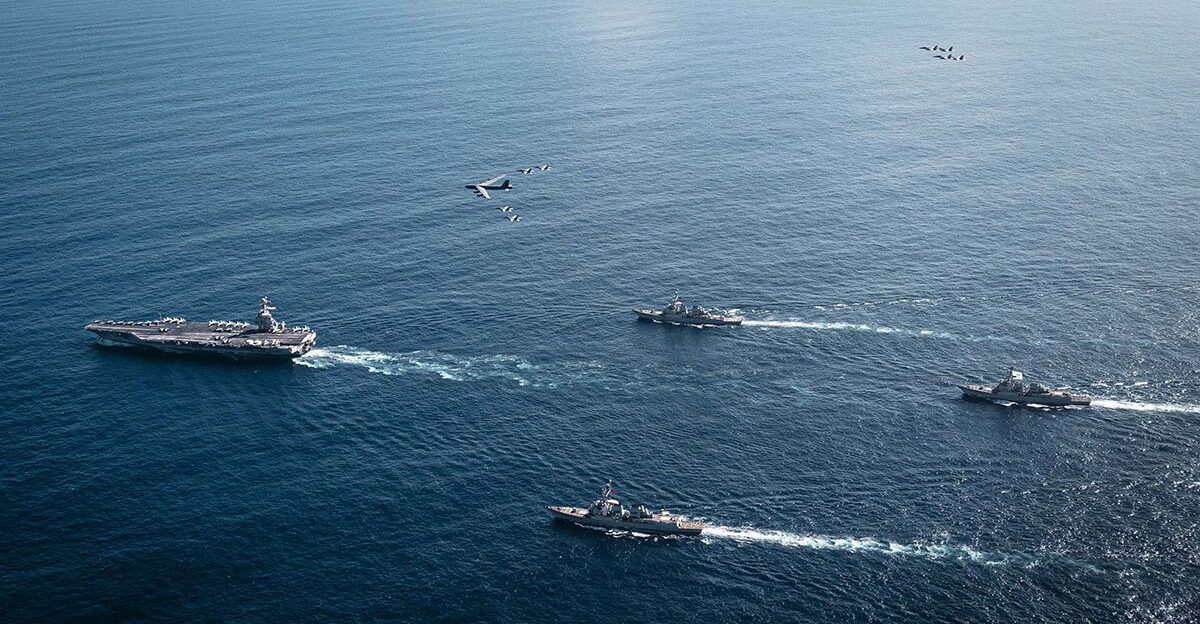
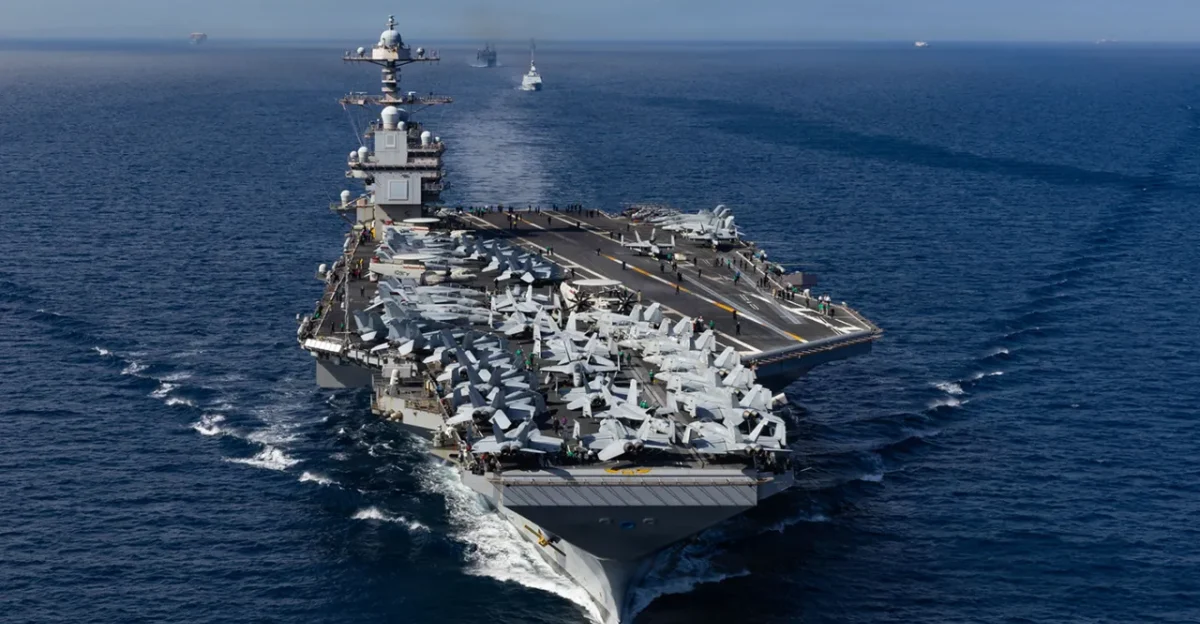
The interdictions operate under the umbrella of Operation Southern Spear, a major U.S. deployment launched in late August. The mission, initially billed as anti‑narcotics, now involves roughly 15,000 troops and more than a dozen warships, including a carrier strike group.
This concentration of firepower near Venezuela gives Washington significant capacity to track and intercept tankers across key Caribbean sea lanes.
From Stateless Ships to Sanctions Cargo
International maritime law allows warships to board stateless vessels or those using false flags, a principle Washington has invoked in the Skipper case.
But legal scholars say seizing properly flagged ships in international waters because of their cargo—such as Venezuelan crude sold to third‑party buyers—pushes into a grey zone. Critics warn this stretches the reach of unilateral U.S. sanctions beyond established norms.
Centuries Seizure Tests Boundaries of Maritime Law
The Centuries operation is especially controversial. The tanker was legitimately registered under Panama and not itself sanctioned when boarded and escorted away by U.S. forces.
Washington argues it was part of the Venezuelan “shadow fleet,” moving “stolen oil” on behalf of sanctioned actors. But analysts note hundreds of sanctioned tankers trade globally without similar seizures, underscoring how unusual this enforcement step is.
Venezuela’s Oil‑Dependent Economy in the Crosshairs
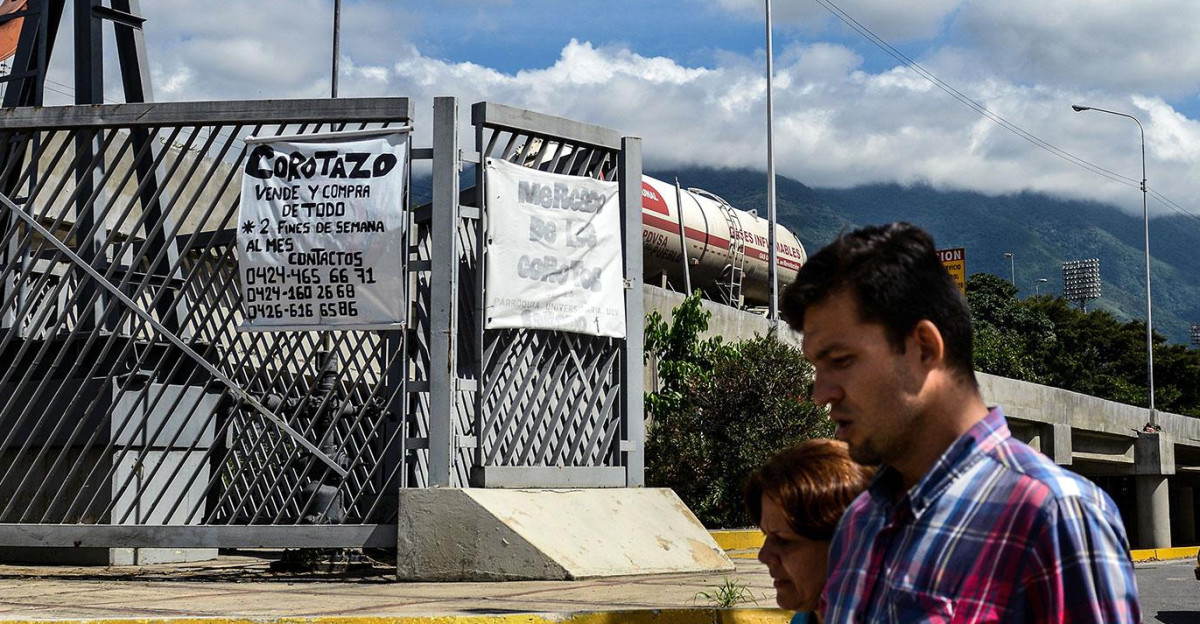
By hitting tankers, the U.S. is targeting Venezuela’s economic jugular. The country holds the world’s largest proven crude reserves but now produces roughly 1–1.2 million barrels per day, down from more than 3.4 million in the late 1990s.
Oil provides upward of 80–90% of foreign exchange earnings and more than half of government revenues, making export disruptions uniquely destabilizing.
How Caracas Kept Oil Flowing
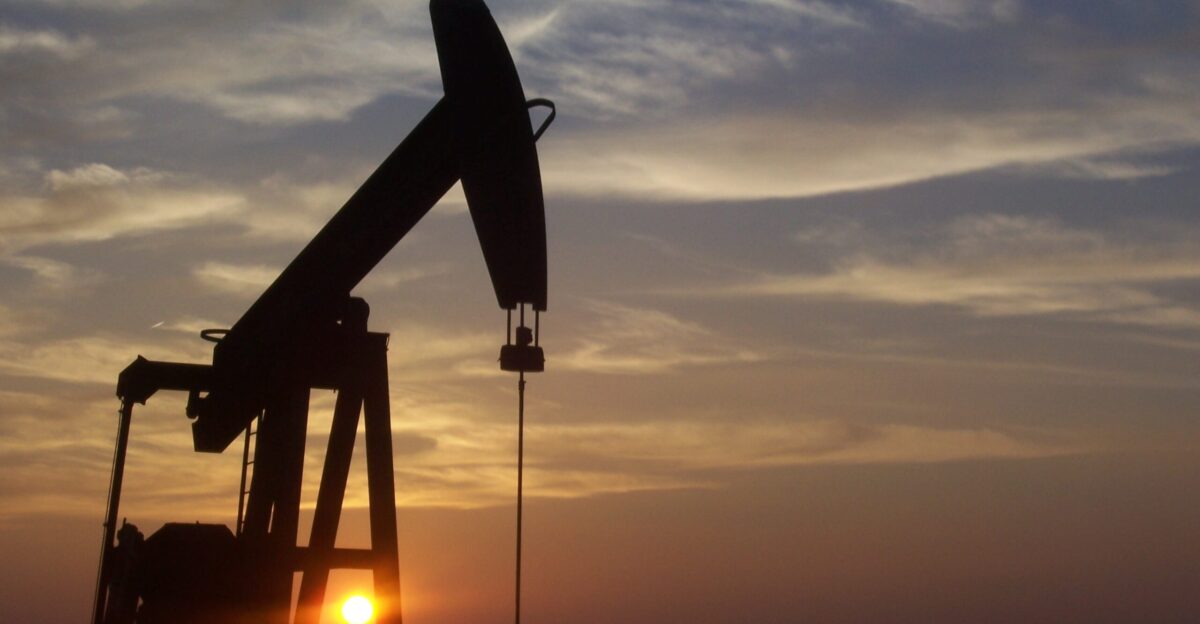
To circumvent U.S. sanctions imposed in 2019, Venezuela has leaned on a “shadow fleet” of tankers that manipulate tracking systems, use fraudulent flags, conduct ship‑to‑ship transfers and hide ownership behind shell companies.
Dozens of these vessels operate in Venezuelan waters; many are already under U.S. sanctions. By physically interdicting them, Washington aims to turn this covert lifeline into a strategic liability.
Exports Stall as Floating Storage Fills Up
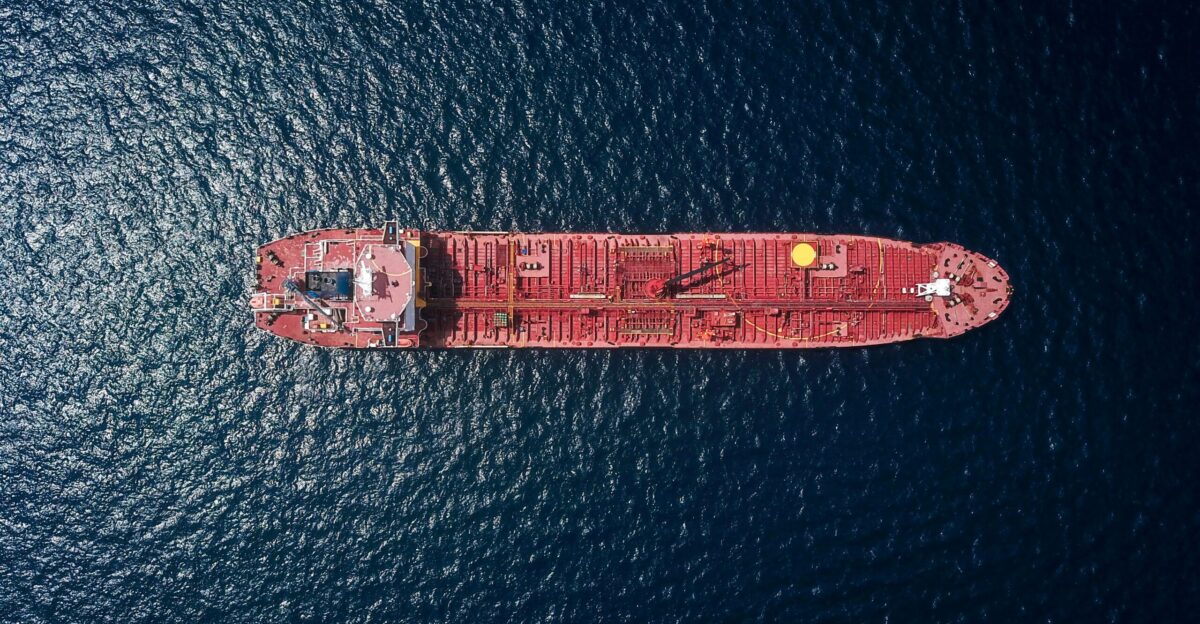
Since the first seizure, Venezuela’s oil exports have fallen sharply, with some tankers diverting or hesitating to load. State oil firm PDVSA has begun parking fully loaded ships offshore as floating storage while onshore tanks fill to capacity, a stopgap that cannot last.
Analysts warn a sustained blockade could force painful production shut‑ins that are difficult and costly to reverse later.
Main Buyer, Limited Immediate Disruption
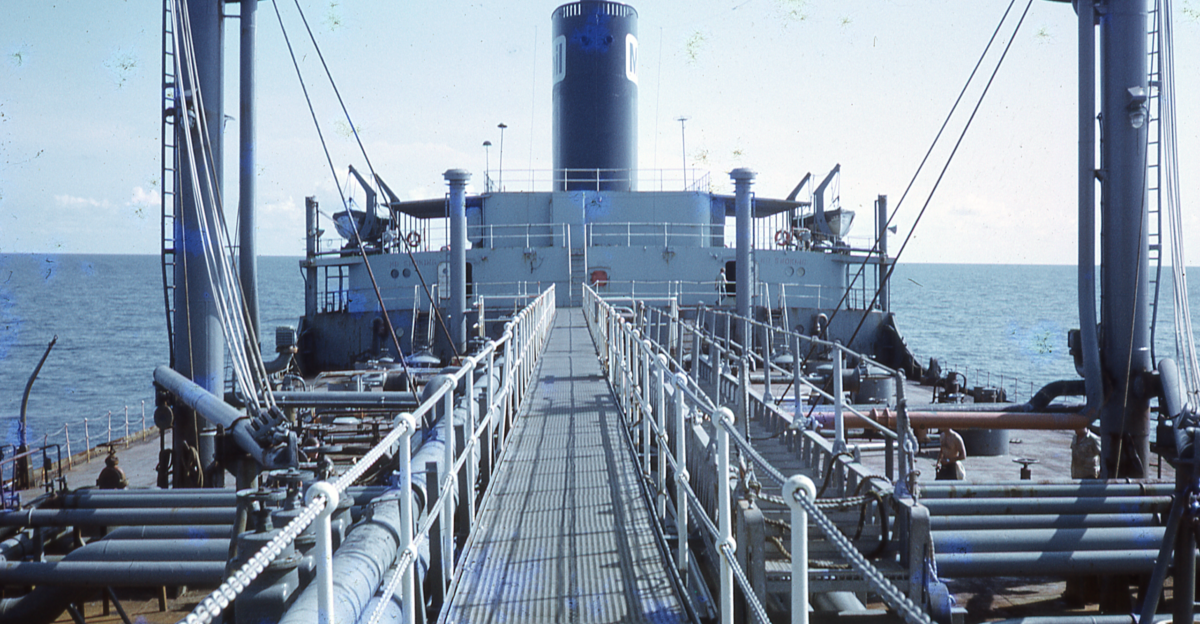
China has become Venezuela’s main crude customer, taking roughly 80–85% of exports, mostly heavily discounted Merey crude. For now, floating storage and earlier front‑loaded shipments mean Chinese refiners still have ample Venezuelan supplies at sea.
Experts say the real impact of U.S. interdictions may only become visible around February, once this cushion runs down and replacement barrels must be sourced.
Beijing Condemns “Unilateral Bullying”
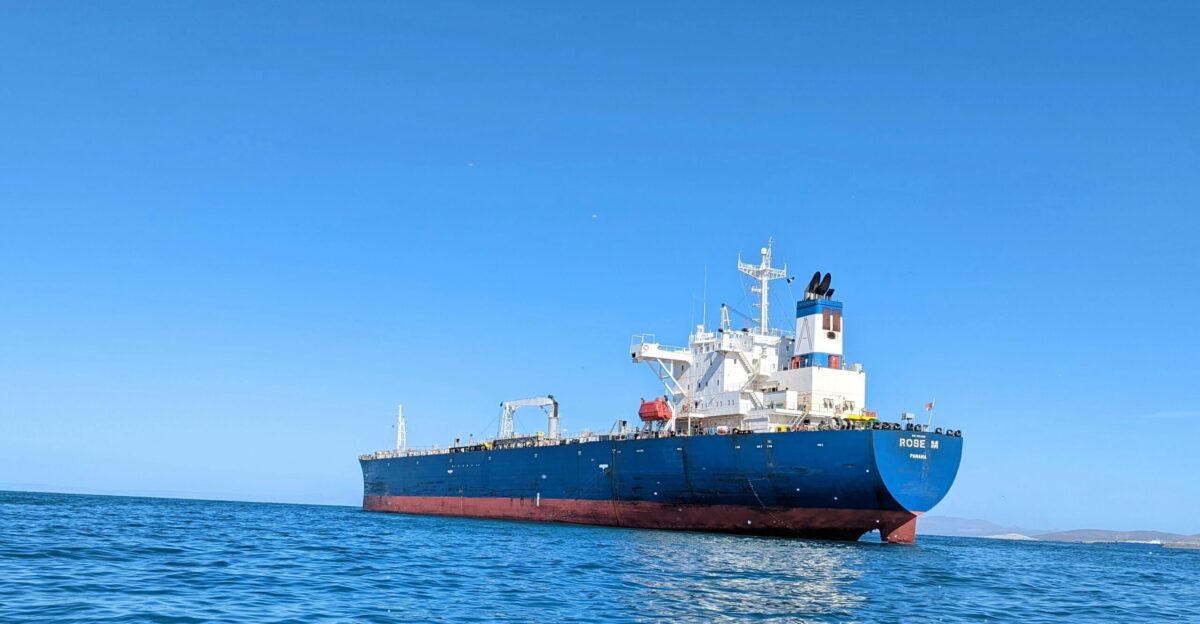
Beijing has sharply criticized the U.S. crackdown, calling it a “serious violation of international law” and denouncing “unilateral bullying” against a sovereign state.
At the UN Security Council, Chinese representatives urged Washington to halt its maritime operations and warned that targeting third‑party cargoes could undermine global energy trade. Still, China has so far stopped short of deploying naval escorts or direct countermeasures.
Moscow Warns of Dangerous Precedent
Russia, another key backer of Maduro, has also attacked the tanker seizures, accusing Washington of “illegally destroying” vessels and setting a template that could later be used against others.
Moscow relies on its own extensive shadow fleet to move oil under Western sanctions, so any successful U.S. playbook against Venezuelan shipping could eventually threaten Russian exports and revenues as well.
Maduro Cries “Piracy,” Criminalizes Support for Seizures
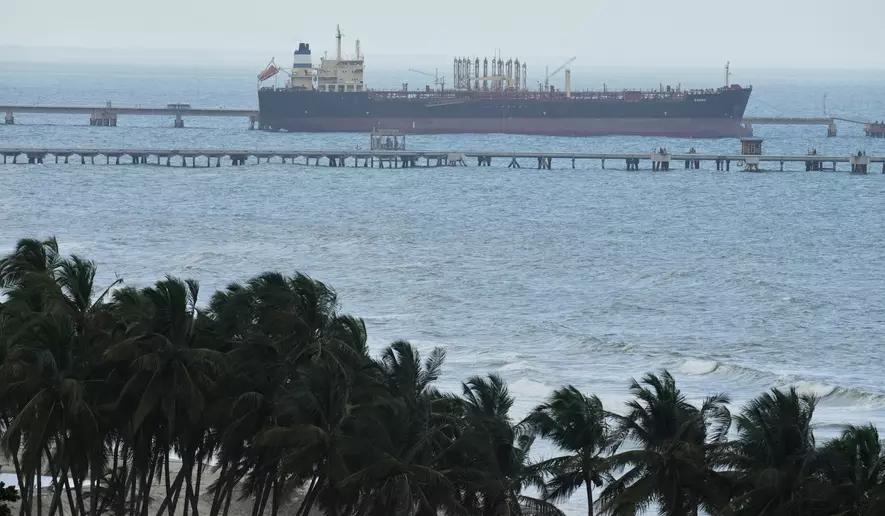
President Nicolás Maduro has denounced the interdictions as “acts of piracy” and “criminal aggression,” while insisting regime change “will never happen.”
His government rushed through legislation imposing up to 20‑year prison terms on anyone who promotes or assists foreign seizures or blockades targeting Venezuelan commerce. Caracas has also filed complaints at the UN and ordered naval escorts for some outbound tankers.
UN Experts Call Blockade “Illegal Aggression”
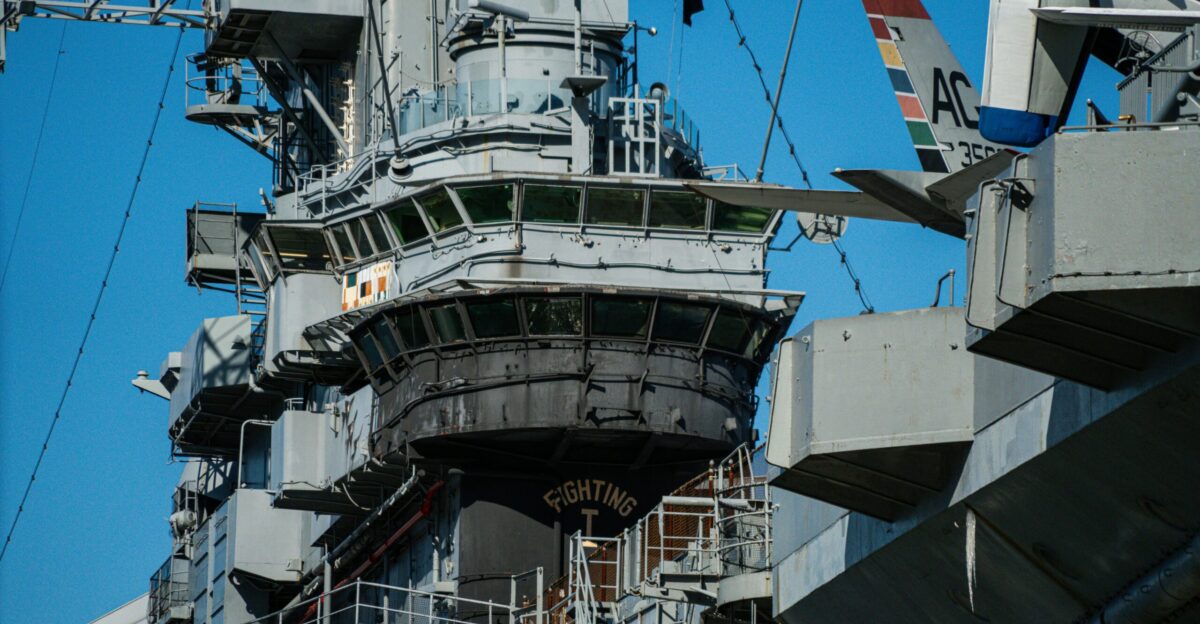
UN human rights experts have condemned the U.S. naval measures as “illegal aggression” that risks violations of the right to life and other fundamental protections.
They highlight more than 100 deaths from recent U.S. strikes on alleged drug‑trafficking boats in the region and argue Congress should step in to curb further military actions at sea and lift the emergent oil blockade.
Chevron’s Special License Highlights Policy Paradox
Complicating the picture, U.S. oil major Chevron continues to pump and export Venezuelan crude under a restricted license renewed in July. The arrangement bars proceeds from reaching Maduro’s government but still sends about 60,000 barrels per day to U.S. refineries.
The exception underscores Washington’s dual goals: punishing Maduro while preserving some future commercial foothold in Venezuela’s vast oil sector.
High‑Stakes Standoff with Uncertain Endgame
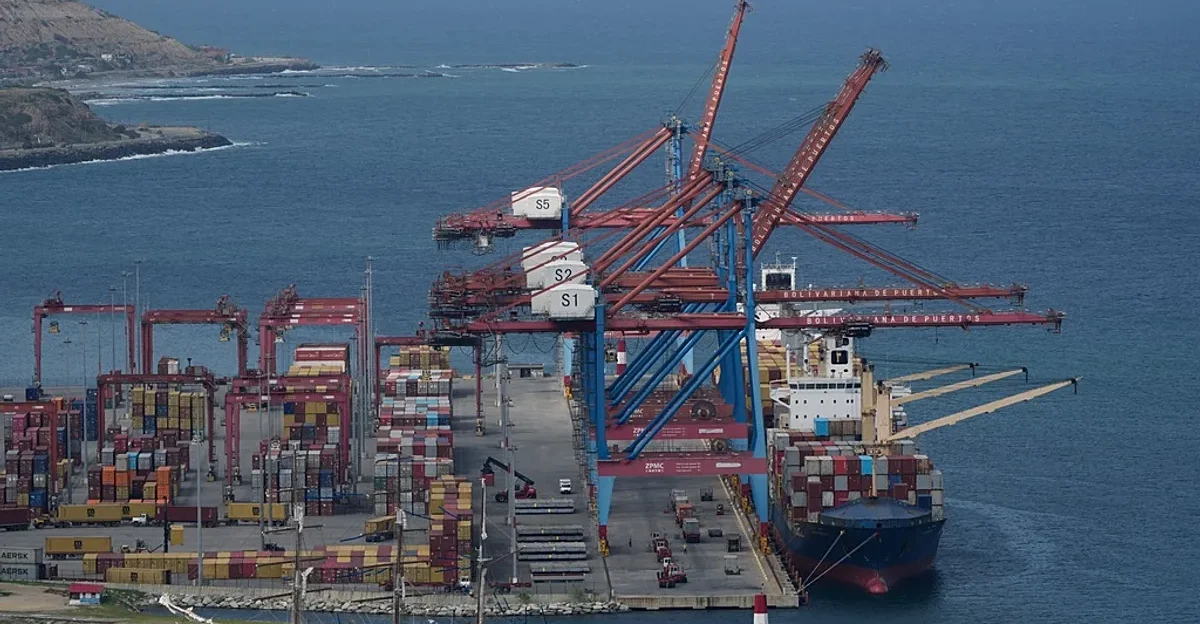
The tanker crackdown tests whether direct maritime pressure can achieve what years of sanctions have not: a political transition in Caracas. Yet it also heightens risks of confrontation with Venezuela, China and Russia, and stretches contested areas of maritime law.
Unless matched by diplomacy, analysts warn, the campaign could deepen Venezuela’s humanitarian crisis without guaranteeing the regime change Washington seeks.
Sources:
“US interdicting sanctioned vessel off Venezuelan coast, officials say.” Reuters, 20 Dec 2025.
“U.S. forces stop a 2nd merchant vessel off Venezuela coast.” Associated Press, 19 Dec 2025.
“Venezuela targets US tanker seizure supporters with ‘anti-blockade’ law.” Euronews, 23 Dec 2025.
“What Trump’s Venezuela oil blockade means for Maduro and the world.” Atlantic Council, 17 Dec 2025.
“UN Security Council hears warnings over escalating US-Venezuela tensions.” UN Geneva, 22 Dec 2025.