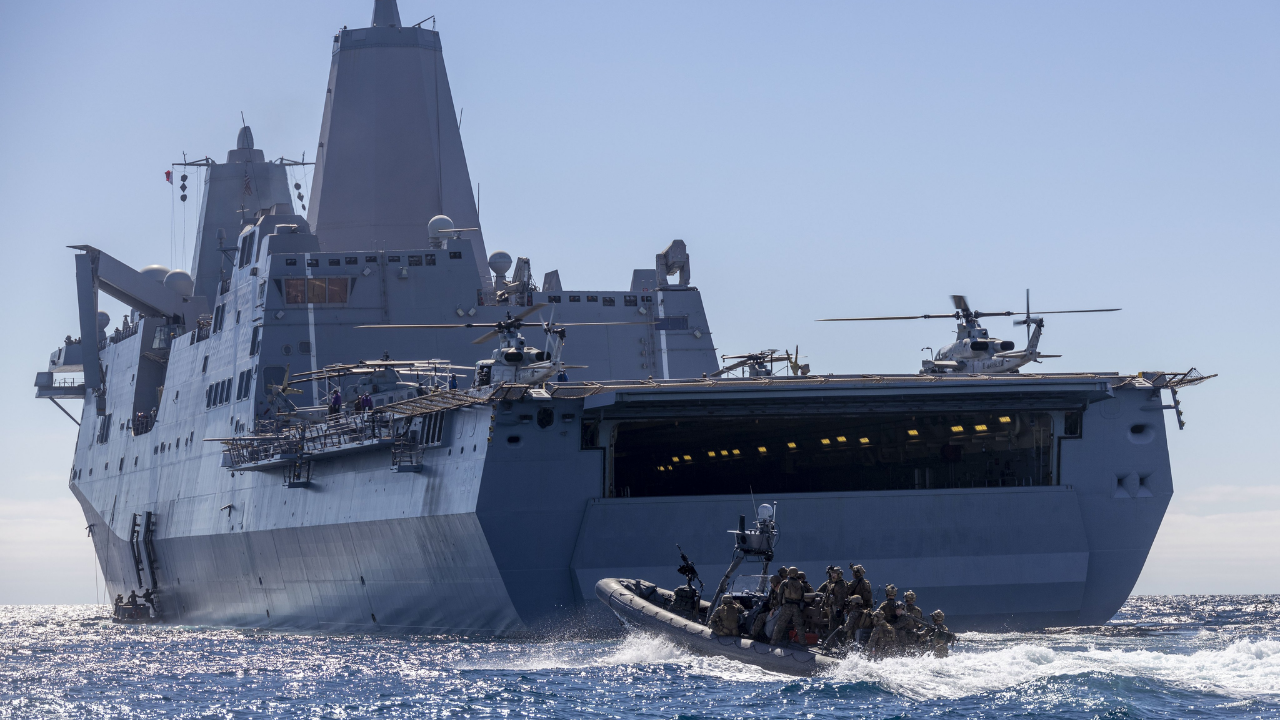
In the dark expanse of the Indian Ocean, hundreds of miles off Sri Lanka, U.S. Special Operations Forces launched a nighttime boarding of a commercial cargo ship in November 2025. This rare direct action intercepted missile components bound for Iran, signaling a bold shift in America’s approach to curbing weapons proliferation at sea.
Hidden Cargo Uncovered
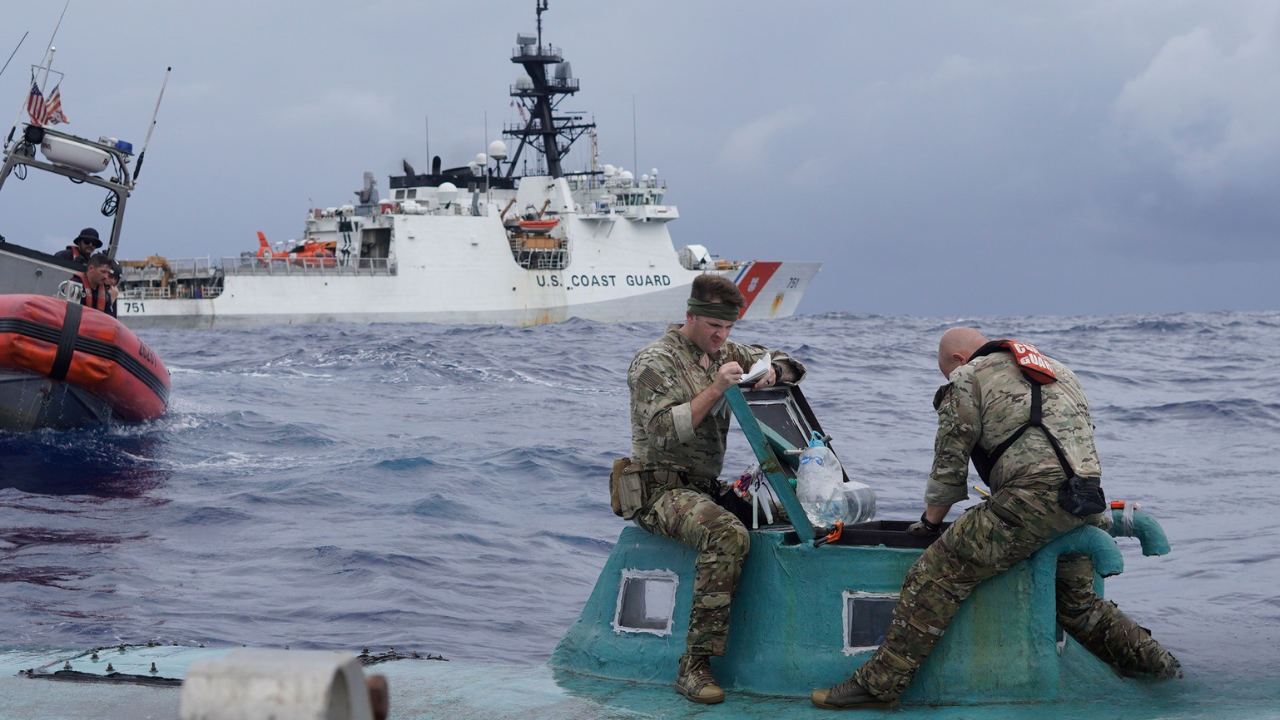
Inspectors breached the vessel’s hold and uncovered Chinese-made precision guidance systems, including spectrometers, gyroscopes, and navigation tools. These items, mislabeled as civilian equipment, were sophisticated dual-use technology components. Pentagon analysis linked the hardware directly to Iran’s ballistic missile program, components long tracked by U.S. intelligence as vital for enhancing accuracy and targeting.
The discovery exposed a key vulnerability in Tehran’s supply chain. Rather than generic parts, these were sophisticated “brains” for modern missiles, capable of improving strike precision against regional targets like Israel and Saudi Arabia.
Onboard Destruction
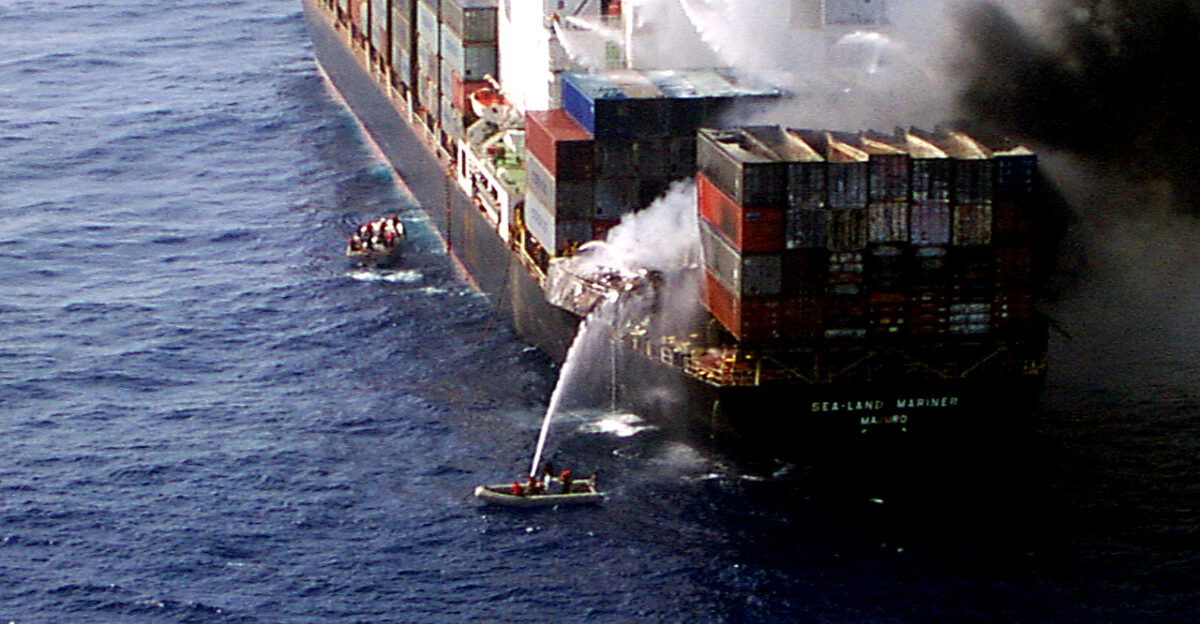
U.S. forces opted for immediate destruction over seizure. They neutralized the cargo at sea, described by the Pentagon as eliminating the threat instantly, preventing any chance of rerouting through alternative paths.
The tactic marked a departure from past practices of confiscation followed by lengthy legal proceedings. By acting decisively on the water, the operation denied adversaries recovery options and underscored a new emphasis on kinetic enforcement.
Crew and Vessel Released
Once the cargo was eliminated, the ship and its crew were allowed to proceed. This decision adhered to maritime law and avoided entangling unaware merchant sailors in prosecutions. Many crew members likely had no knowledge of the illicit contents, prioritizing the focus on proliferation networks over individual culpability.
The restraint minimized diplomatic fallout with the vessel’s flag state while delivering a firm message to traffickers. It balanced aggressive interdiction with caution, targeting the threat without broader escalation.
Iran’s Missile Rebuild
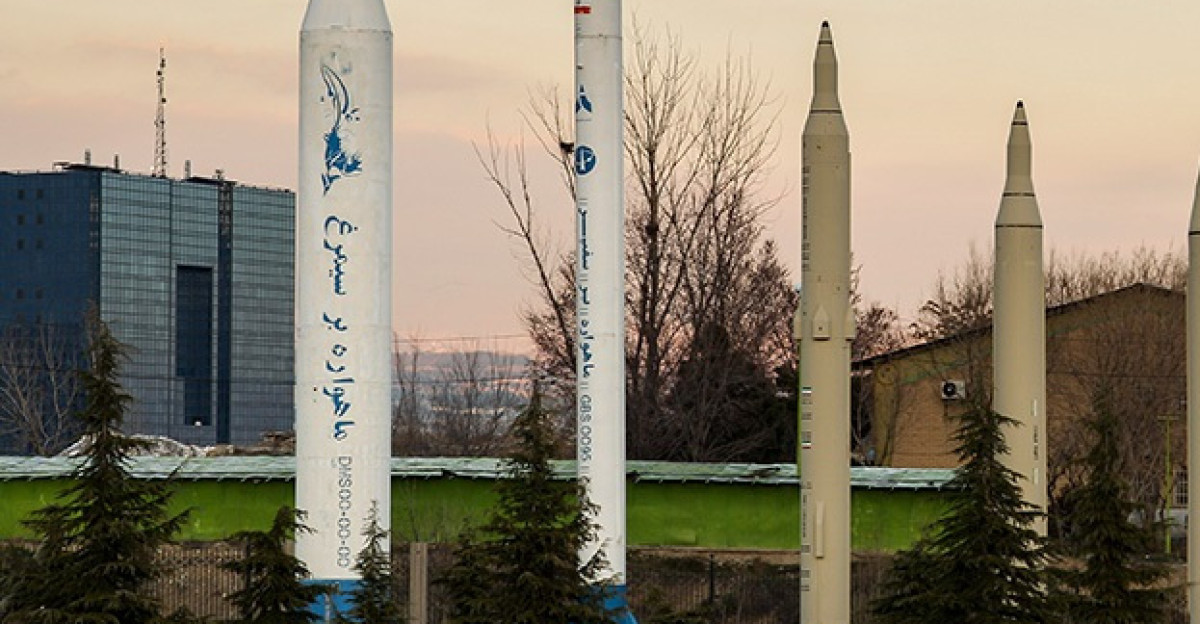
The interception fit into Iran’s accelerated effort to restore its missile arsenal after June 2025 Israeli strikes devastated key nuclear and production sites. Intelligence reports noted a procurement surge, including 2,000 tons of sodium perchlorate—a solid rocket fuel oxidizer—shipped from China via separate routes in September and October 2025.
Together, the guidance systems and propellants represented complementary advances: electronic precision paired with chemical propulsion. Tehran aimed to replenish capabilities degraded by attacks, racing to maintain its regional deterrent amid ongoing pressures.
China’s Role and Networks
Spotlight fell on Chinese ports and firms, which U.S. reports estimate supply billions in dual-use goods to Iran annually. Beijing claims commercial intent, but the seized items—gyroscopes, spectrometers, and oxidizers—suggested military applications, tied to improvements in “circular error probable,” a missile’s accuracy metric.
The ship’s manifest revealed Gulf-based front companies and middlemen obscuring end-users. Physical interdiction pierced this veil, highlighting limits of financial sanctions and satellite monitoring against sea-borne contraband.
This operation revives hands-on U.S. maritime raids after years of restraint, affirming that commercial shipping lanes serve as conduits for military hardware. As Iran pushes procurement and China exports persist, such sea actions may define future efforts to contain proliferation, weighing enforcement gains against rising geopolitical tensions.
Sources:
U.S. Forces Raid Ship, Seize Cargo Headed to Iran From China – The Wall Street Journal
US intercepts Iran-bound military shipment from China in rare raid – Iran International
US forces raided ship headed to Iran from China in Indian Ocean, WSJ says – Reuters
US seizes Chinese cargo bound for Iranian missile program – Egypt Independent
China at centre of US-Israeli concerns over Iran’s missile programme – Middle East Online