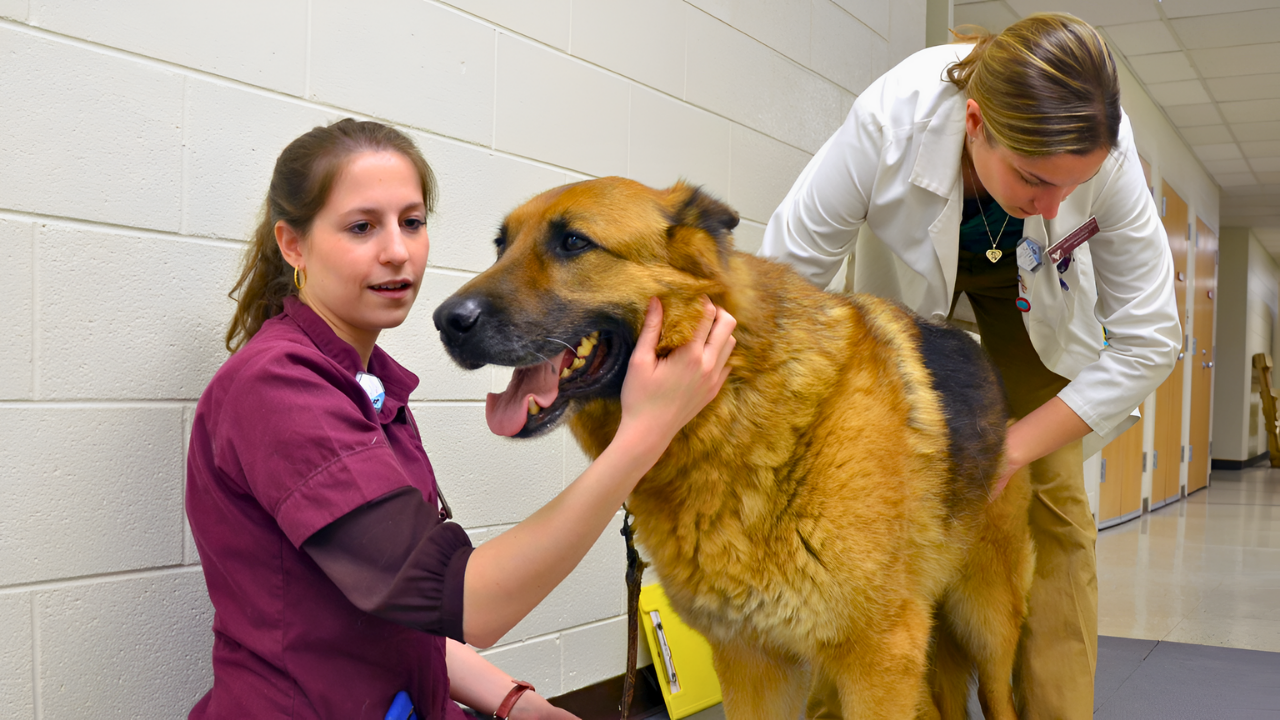
When a South African veterinarian posted a 5-minute TikTok video naming dog breeds to avoid, few expected it to ignite a national conversation about hidden pet costs. Dr. Amir Anwary’s candid assessment—that certain popular breeds saddle families with up to $30,000 in lifetime veterinary bills—struck a nerve with millions considering adding a four-legged family member. Here’s what’s going on.
What Sparked The Viral Moment

A South African veterinarian Dr. Amir Anwary created waves this year when his TikTok video naming 5 dog breeds to avoid accumulated 153,000+ likes. The post targeted America’s most beloved companions, questioning whether families truly understand what they’re signing up for. Media outlets from The Express UK to The Mirror amplified the story. Yet the breeds he named include some of America’s absolute favorites—raising a critical question about what we really know.
The Breeds Under Fire

Dr. Anwary’s list identifies 5 breeds families should reconsider before adopting. These aren’t obscure dogs—they’re common companions in millions of homes. Each carries distinct health and behavioral challenges, often underestimated before adoption. Together, they represent 8–12 million American dogs, suggesting his warning could affect millions. So, which are these 5 problematic breeds?
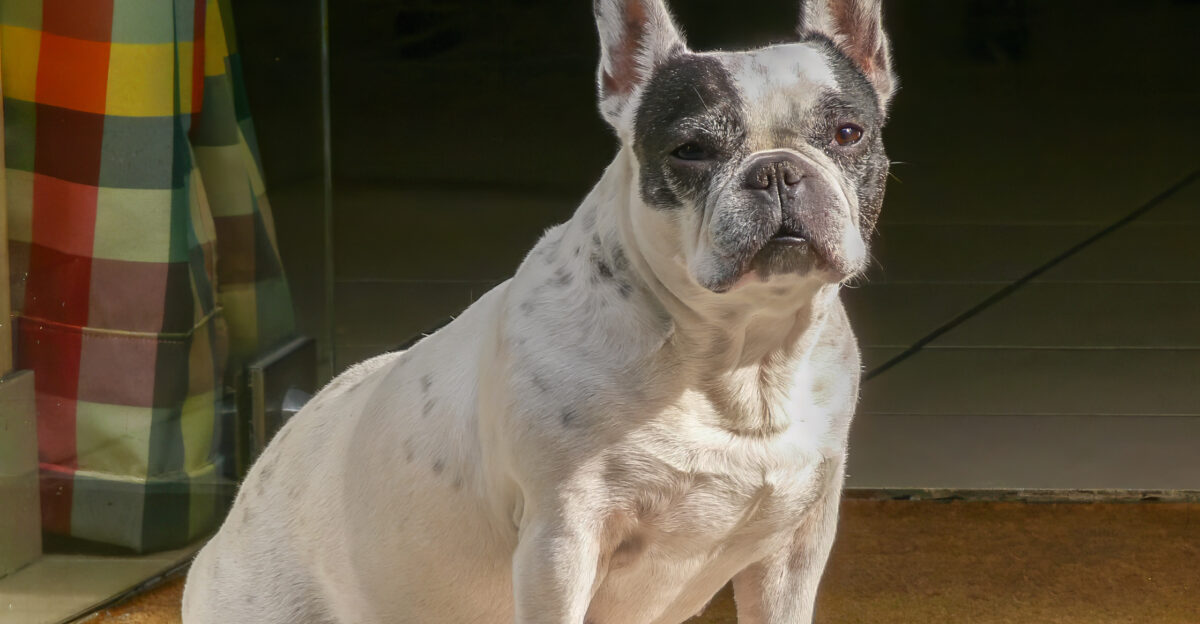
1. French Bulldogs

French Bulldogs are adored, yet flat faces create Brachycephalic Obstructive Airway Syndrome, causing chronic breathing problems. Surgical correction costs $1,000–$7,000 per procedure. Joint dysplasia, spinal misalignment, and skin infections require $2,000–$5,000 annually. Puppies cost $3,000–$8,000 upfront, then face a decade of compounding medical bills. With 74,500 AKC registrations in 2024, Frenchies enter homes more than any other breed. The respiratory surgeries and skin treatments tell only part of the story—spinal complications add another layer of expense and suffering.
2. Dachshunds

Dachshunds’ elongated spines make them vulnerable to Intervertebral Disc Disease, affecting 19–24% in a lifetime. Surgery costs $3,000–$10,000 per incident, often repeated multiple times, accumulating $25,000–$30,000+. They also suffer separation anxiety, excessive barking, and stubborn behaviors requiring professional training. AKC ranks them #6, ensuring thousands more face these challenges annually. While Dachshunds struggle with spine health, other breeds on Dr. Anwary’s list pose entirely different—but equally expensive—challenges.
3. Belgian Malinois

Dr. Anwary called the Belgian Malinois “a machine” due to its intense physical demands. Originally herding and guard dogs, they require 2–3 hours of daily activity. Without it, they develop destructive behavior, causing $500–$2,000+ in home damage. Professional training adds $2,000–$5,000+. Rehoming fees and facility charges accumulate when families can’t meet needs. This isn’t a dog for typical households. The Border Collie, another working breed on the list, shares similarly intense needs—but manifests them in equally expensive ways.
4. Border Collie

Border Collies are highly intelligent but require constant engagement. Without it, they destroy homes, develop anxiety, and require professional intervention costing $2,500–$7,000+ lifetime. Structured training, mental puzzles, and veterinary psychiatric care are essential. Many owners discover too late that the breed isn’t suitable, leading to costly rehoming or rehabilitation. Yet demand remains strong, ensuring future challenges. The Labrador Retriever, rounding out Dr. Anwary’s list, represents a different kind of financial burden—rooted in appetite rather than activity level.
5. Labrador Retriever

Labs rank #2 in AKC popularity with 58,500 registrations in 2024. They’re prone to obesity, causing joint disease, diabetes, and heart conditions. Weight-management diets and veterinary care cost $1,000–$5,000 annually. Over 10–12 years, chronic obesity can lead to $15,000–$20,000 in care. Dr. Anwary flagged their appetite as a “budget drain.” Despite this, hundreds of thousands of American families will encounter these costs. The scale of this problem becomes clear when calculating how many families are considering these breeds right now.
The Hidden Cost Epidemic

Families adopting these 5 breeds often face catastrophic veterinary expenses they never anticipated. French Bulldogs alone cost $15,000–$30,000+ over 10–12 years. Dachshunds require $3,000–$10,000 per IVDD surgery. Belgian Malinois and Border Collies can inflict $2,000+ in property damage and training. Labradors’ obesity leads to $1,000–$5,000 annually in treatment. Combined with regular care, expenses can exceed $50,000 per lifetime. The French Bulldog’s health crisis represents perhaps the most shocking financial reality of all.
The Scope: Millions of Families at Risk

With 68 million U.S. dog-owning households, these 5 breeds represent millions of dogs. If even a fraction face health crises, families could incur $15,000–$50,000 per dog. AKC 2024 data shows French Bulldogs (74,500), Labradors (58,500), Dachshunds (#6), plus Belgian Malinois and Border Collie high rankings. Popularity persists despite warnings, ensuring continued high demand. But why do families choose these expensive breeds despite clear cost information?
Why Popularity Persists Despite The Warnings

These breeds remain favorites due to aesthetics, personality, and incomplete information. Frenchies suit apartments, Labradors seem “safe,” and Dachshunds’ novelty endures. Social media amplifies appeal through influencers. Breeders promote “designer” variations instead of health truths. Families often focus on puppy price, ignoring long-term costs. Awareness gaps allow popularity to override suitability. Understanding Dr. Anwary’s broader philosophy reveals his insights extend beyond individual breeds.
Dr. Anwary’s Broader Message On Breed Selection

Dr. Anwary emphasizes choosing dogs suitable for households, not engineered for work or appearance. Military breeds (Belgian Malinois), herding breeds (Border Collie), and aesthetic breeds (French Bulldog) often fail in civilian settings. Owners must consider origins, energy, genetic predispositions, and financial/time commitments.
Veterinarians witness consequences of poor matches firsthand. His viral success shows millions seek honest guidance, feeling betrayed when breeders and media obscure critical information. The viral response reveals something important about American attitudes toward pet ownership and transparency.
The Viral Response: A Nation Reconsidering

Anwary’s TikTok sparked heated debate. Pet owners defended their dogs; breeders promoted preparation. Veterinarians largely validated concerns, sharing rescue, financial, and tragic stories. Millions lack awareness of breed-specific health and behavior needs.
News coverage reached international audiences. Shelters saw increased inquiries about costs. Families often make $1,000+ decisions based on cuteness. What financial protections exist for families who cannot afford their chosen breed’s healthcare?
Financial Safety Nets: Do They Exist?

Pet insurance exists but often excludes pre-existing conditions. Monthly premiums $50–$150 add $600–$1,800 annually. Credit programs require good credit, creating debt cycles. Low-income owners face euthanasia, surrender, or catastrophic debt. Charitable clinics are limited. Liability coverage rarely addresses breed-specific destruction. Few options exist for families who discover incompatibility. This gap in protection highlights why Dr. Anwary’s warning matters. The question remains: whose job is it to educate families before purchase?
Breeders Versus Education: Accountability Questions
Responsible breeders screen buyers, provide health guarantees, and disclose challenges. Yet puppy mills conceal information, prioritizing profit. Federal standards are lacking; AKC cannot enforce compliance. State regulations vary.
Veterinarians advocate mandatory breeder education. Consumer campaigns reach only engaged owners. Transparency reduces demand for compromised breeds. Dr. Anwary’s warning exposes systemic failures, prompting families to reconsider options. What alternative breeds offer companionship without financial catastrophe?
Alternative Breeds Worth Considering

Dr. Anwary encourages informed selection, not avoidance of dogs. Mixed-breed rescues offer better health, longevity, and behavioral stability, potentially saving $5,000–$10,000 in lifetime costs. Golden Retrievers, Greyhounds, and Poodles provide family-friendly alternatives.
Mixed breeds cost $50–$200 versus $1,000–$8,000 for purebreds. Adult rescues are often trained and socialized. Expanding breed preferences can prevent financial devastation while delivering healthy, fulfilling companionship. The implications extend to broader discussions on animal welfare and consumer responsibility.
Broader Implications: Animal Welfare And Breeding Ethics

Selective breeding prioritizes appearance over health. French Bulldogs’ breathing struggles, Dachshunds’ spinal issues, and other traits are predictable consequences. European countries restrict brachycephalic sales; U.S. resistance continues.
Public scrutiny increases, driven by viral awareness. Families question whether “breed preservation” justifies suffering. The conversation about ethics and welfare moves to mainstream platforms. As awareness spreads, veterinary expertise may reshape American pet ownership decisions.
Veterinary Authority In The Digital Age

Anwary demonstrates that authentic veterinary expertise resonates on digital platforms. His candid TikTok bypassed traditional media, building trust and influencing purchasing choices. Millions followed his advice prioritizing welfare over industry interests. Professional organizations increasingly adopt social media strategies.
Yet questions persist: are recommendations evidence-based, consensus-driven, and impactful long-term? The future depends on whether this engagement leads to systemic change. Will this moment catalyze industry-wide transformation or fade like other viral trends?
What Changes Could Follow This Awareness

Potential outcomes include mandated breeder licensing, health certification, AKC standard revisions, veterinary education programs, expanded pet insurance coverage, increased shelter funding, tax incentives for responsible breeders, and media literacy campaigns. Social media could flag health-compromised breed advertising.
Sustained political will and consumer pressure are needed. Viral moments can spark policy discussions, but implementation is uncertain. Personal stories of families facing breed-specific crises provide the most compelling evidence.
The Human Cost: Stories Behind The Statistics

Families experience heartbreak: children watching Dachshunds lose mobility, parents choosing between mortgage and surgery, Belgian Malinois surrendered after destruction and bankruptcy. The 5 breeds aren’t “bad”—they’re mismatched to families unprepared for genetic, behavioral, and medical needs. Conscious, informed adoption improves outcomes dramatically. Rescue dogs in appropriate homes thrive. Dr. Anwary’s viral moment isn’t anti-dog—it’s pro-informed choice. Expertise, honesty, and questioning tradition still matter, as 153,000+ people agreed.
Sources:
American Kennel Club (AKC) Most Popular Dog Breeds, 2024 Rankings, published March 17, 2025.
Veterinary Medical Association Analysis of Breed-Specific Health Predispositions and Lifetime Care Costs, compiled through multiple veterinary clinic databases, 2024-2025.
The Express UK. “5 Dog Breeds You Shouldn’t Own,” August-September 2025.
The Mirror UK. “Five Dog Breeds Vet Would Never Own,” August-September 2025.
CDC/AAHA Data on Pet Ownership Demographics and Household Statistics, United States, 2024-2025.
IVDD Support Group Studies and Veterinary Cost Analysis Database, Reddit Community Research, March 2025.