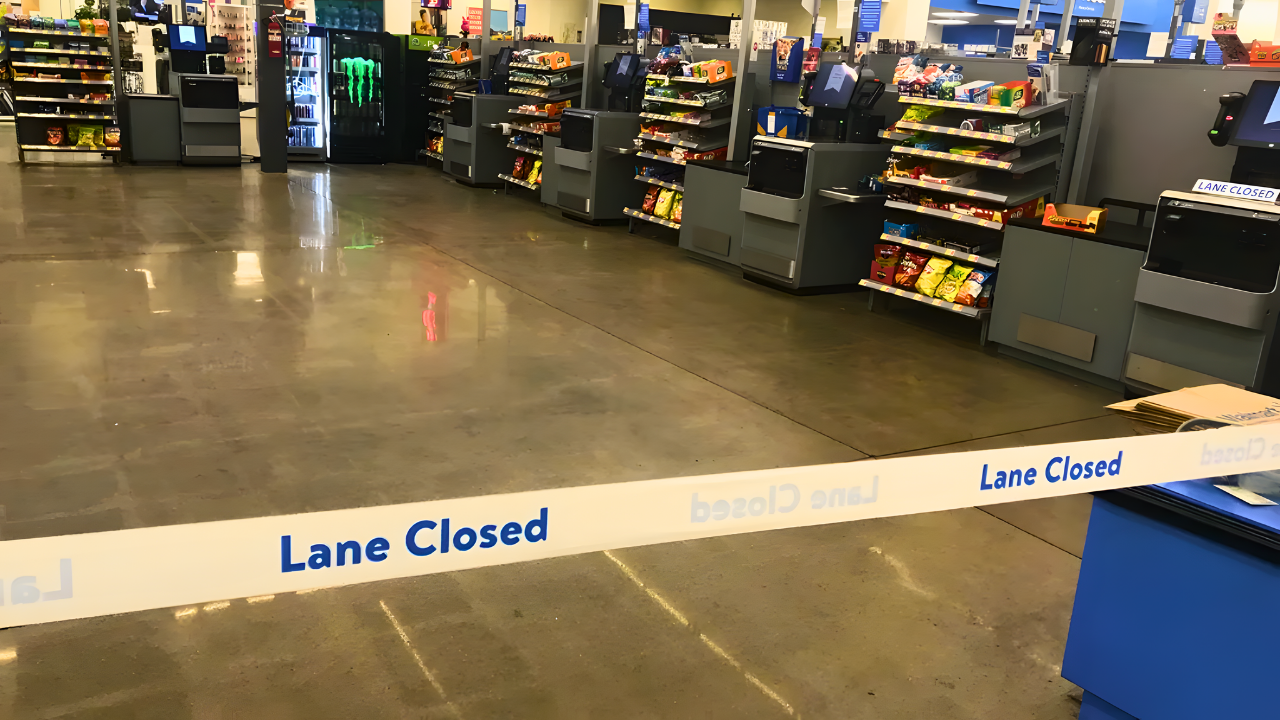
Walmart is removing self-checkout kiosks from stores across America, reversing years of automation strategy. Five years ago, retailers viewed cashier-free shopping as the future of retail. Now it looks risky.
Walmart’s shift raises a key question: Can technology designed to cut labor costs survive widespread theft? This retreat spreads beyond one company. It changes how the entire industry thinks about checkout technology.
The stakes matter for consumer behavior, store safety, and a $10 billion annual loss problem.
A Crisis Unfolds

Police records tell the real story. In Shrewsbury, Missouri, a Walmart Supercenter removed all self-checkout machines in spring 2024. Police dispatch calls dropped 64 percent—from 509 calls (January-May 2023) to 183 calls (same period 2024). Arrests fell from 108 to 49.
Police Chief Lisa Vargas stated, “We appreciate Walmart removing those self-checkers.” These weren’t theoretical problems. There were real consequences that showed the technology had failed.
The Broader Pattern
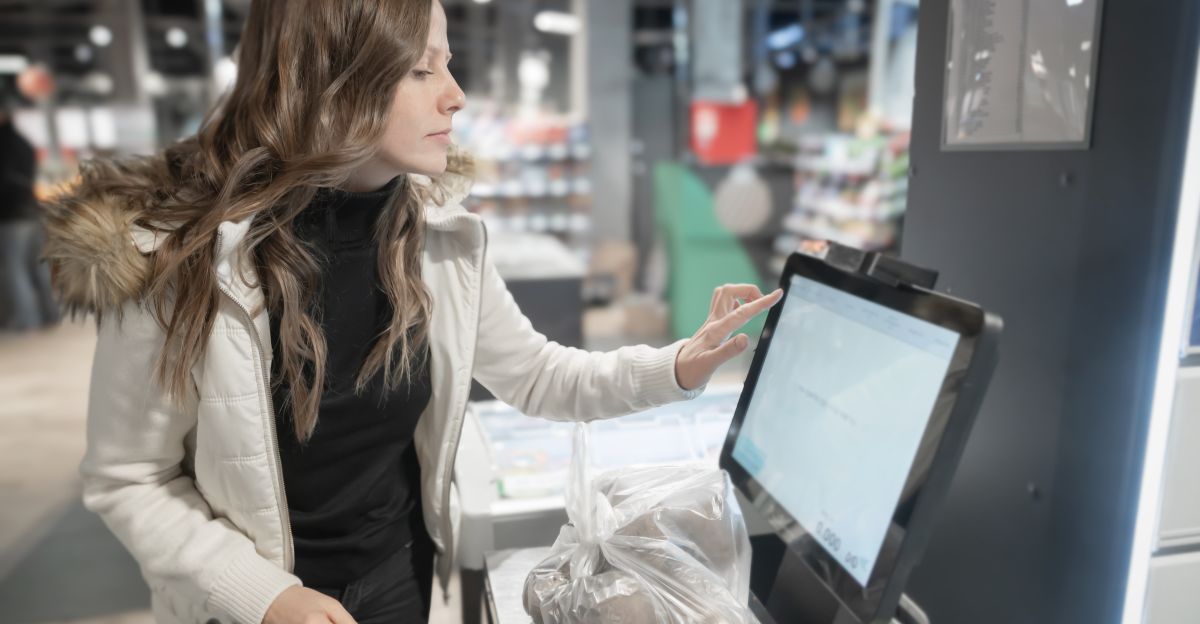
Shrewsbury wasn’t alone. Walmart removed self-checkout from three New Mexico stores in October 2023 and from Cleveland, Ohio, in April 2024. This wasn’t a test. It was a planned pullback across multiple states. Walmart had pushed self-checkout for over a decade.
Now they quietly shut it down. Internal data showed these choices reflected a wider industry wake-up call. Shrinkage (theft and loss) at self-checkout had become unbearable. Retailers now faced a hard choice about automation.
The Self-Checkout Bet

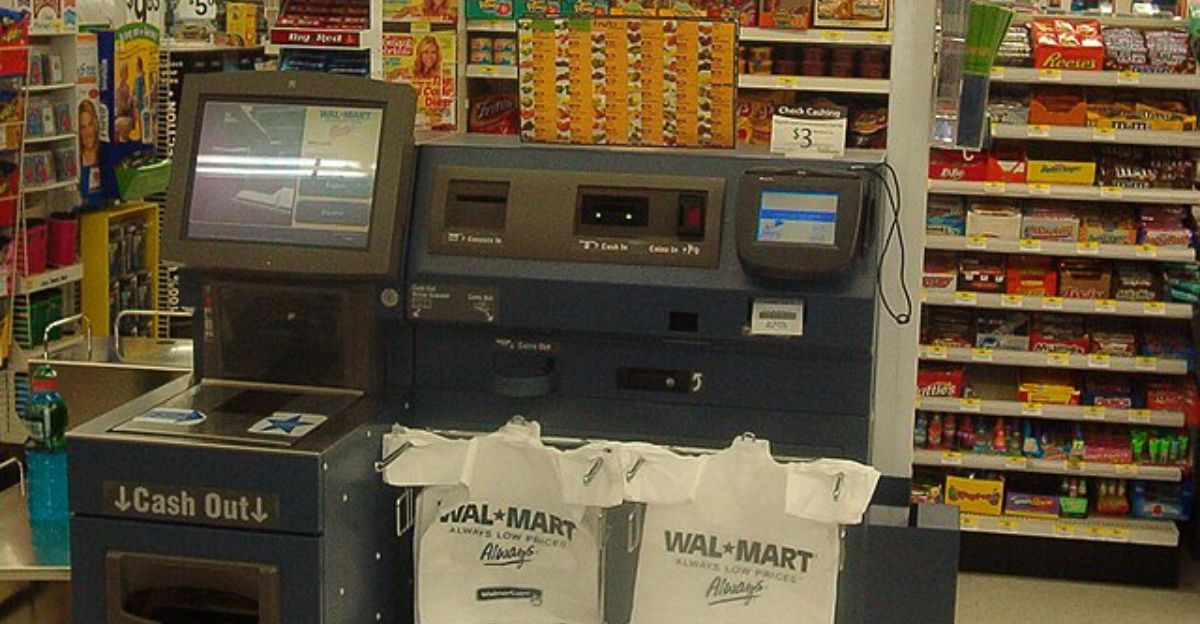
To understand the retreat, we need to know its history. Starting around 2015, major retailers invested billions in self-checkout systems. They promised lower labor costs, faster checkout, and a sleek experience. Walmart, Target, and Dollar General expanded aggressively.
By 2020, self-checkout seemed like the future of retail. The logic worked: fewer cashiers meant lower payroll. The problem: nobody predicted how anonymity and speed would enable theft far beyond staffed lanes. Progress became a financial liability.
Theft at Self-Checkout Is Four Times Higher
Here’s the core fact: self-checkout generates theft rates of 3.5 to 4 percent—four times higher than staffed lanes at 0.21 to 1 percent. That gap costs hundreds of millions of dollars yearly. Independent studies, including Grabango analysis, confirm this pattern across retail sectors.
Produce theft at self-checkout runs 16 times higher than traditional lanes. Even with labor savings, theft losses erase profits. Retailers asked: Why automate if customers steal more?
The $10 Billion Price Tag
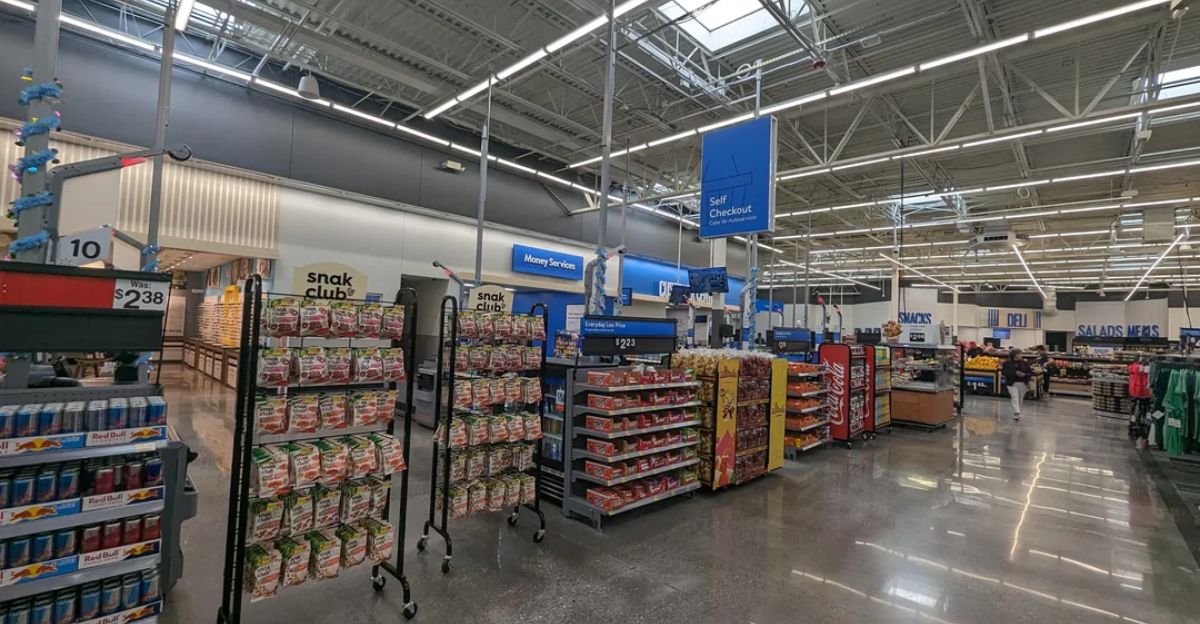
Across U.S. food retail, self-checkout losses total more than $10 billion yearly in lost profits. This assumes a $1 trillion market and a 3.5 percent theft rate from self-checkout. Not all food stores use self-checkout equally, but those that do suffer concentrated losses in one area.
The $10 billion figure explains why Walmart, Target, and Dollar General moved in 2024. Financial pressure crossed a breaking point. Loss prevention teams reported unsustainable store-level profit loss.
Shrewsbury’s Human Story

Police records reveal more than numbers. Officers responded to theft, assault, and disorder over 500 times (January-May 2023) at the store. After the removal of self-checkout, calls dropped by nearly two-thirds. Fewer disturbances created safer conditions and less community strain.
Residents felt more secure shopping there. Workers faced fewer confrontations with suspected shoplifters and less stress. Shrewsbury proved that removing self-checkout could improve safety beyond just cutting theft. The human benefit reinforced the financial argument.
Why Consumers Steal at Self-Checkout
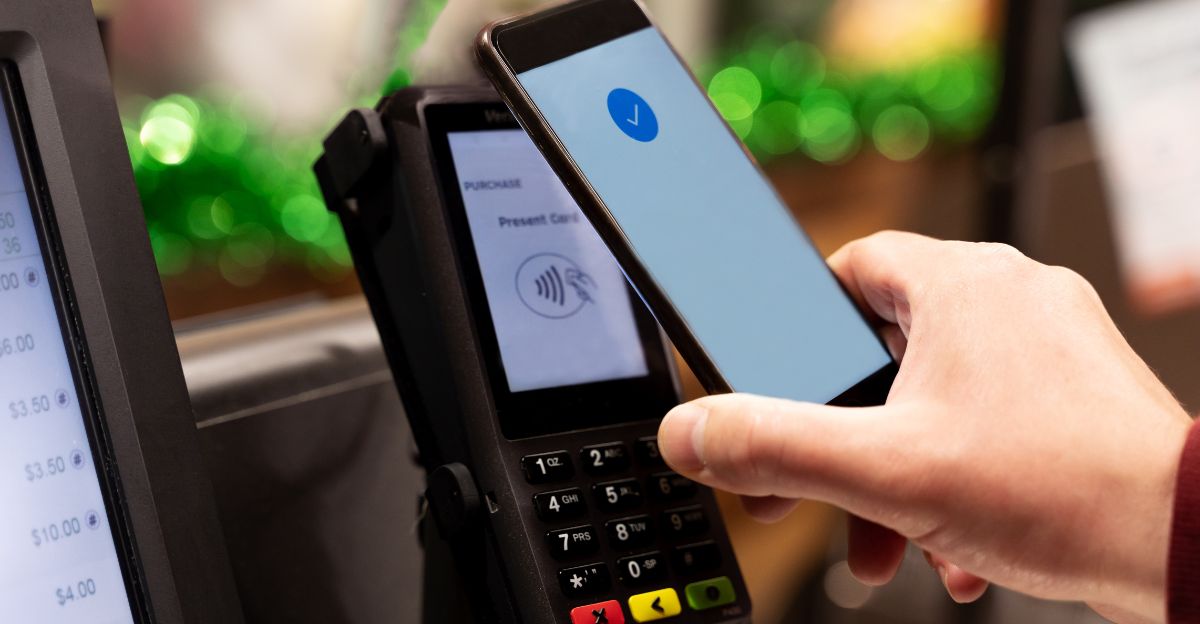
Consumer psychology matters here. A 2023 LendingTree survey found that 15 percent of self-checkout users deliberately stole items—either undercharging or leaving them unpaid. Of those who stole, 44 percent said they’d steal again. Anonymity and speed create low-risk conditions.
Self-checkout removes eye contact with cashiers. The user controls everything. Behavioral economists refer to this phenomenon as “abstraction creep”: distant transactions can encourage theft. For some shoppers, self-checkout shifts from “paying” to “moving past a sensor.”
The Ripple Effect Across Industries

Walmart’s retreat isn’t isolated. The entire retail sector reassesses automation now. Dollar General announced in March 2024 that it would remove 300 high-theft stores. By June 2024, they had expanded to 12,000 of 20,000 stores—a 40 percent increase.
Target limits self-checkout to 10 items. Costco, Wegmans, and ShopRite also restrict use. This coordinated retreat signals that this isn’t just a supermarket problem. The industry questions whether frictionless checkout works with consumer theft.
Shrink Has Become a Material Business Risk
Walmart didn’t issue dramatic warnings, but its May 2024 guidance flagged concerns. The statement read: “The company assumes stable consumers and continued pressure from products and formats globally.” Careful wording acknowledged that shrinkage affects earnings and risk management.
Securities analysts flagged shrinkage as a material financial risk in earnings calls. Retailers now view self-checkout theft as a significant factor affecting total company profits—enough to disclose to shareholders. Financial markets noticed. Loss prevention became a boardroom topic.
The Internal Calculus: Labor Savings vs. Theft Losses

The original purpose of self-checkout: to cut labor costs. A cashier earns between $15 and $20 per hour (with benefits). A typical Supercenter employs 40 to 60 cashiers per shift. Self-checkout was promised to reduce staff by 20 to 30 percent, saving $1 to $2 million per year per location.
Yet theft models showed shrink losses could surpass labor savings within 12 to 24 months. When retailers applied real theft data to financial models, math shifted: removing self-checkout meant higher profits.
The Loss Prevention Arms Race

Before removing machines, some retailers tested theft-fighting technology. Computer vision systems, weight sensors, and AI monitoring flagged suspicious transactions. Wayfair and Albertsons invested in these systems, hoping to make self-checkout theft-proof. Results mixed.
Monitoring systems caught some theft but triggered false alarms, frustrating customers and increasing labor costs—ultimately erasing any savings. Workers monitored screens and intervened when flagged. Some stores added supervised self-checkout, rebuilding staffed models.
Truth emerged: you cannot fully automate people. Removal proved simpler.
Corporate Messaging and Public Relations
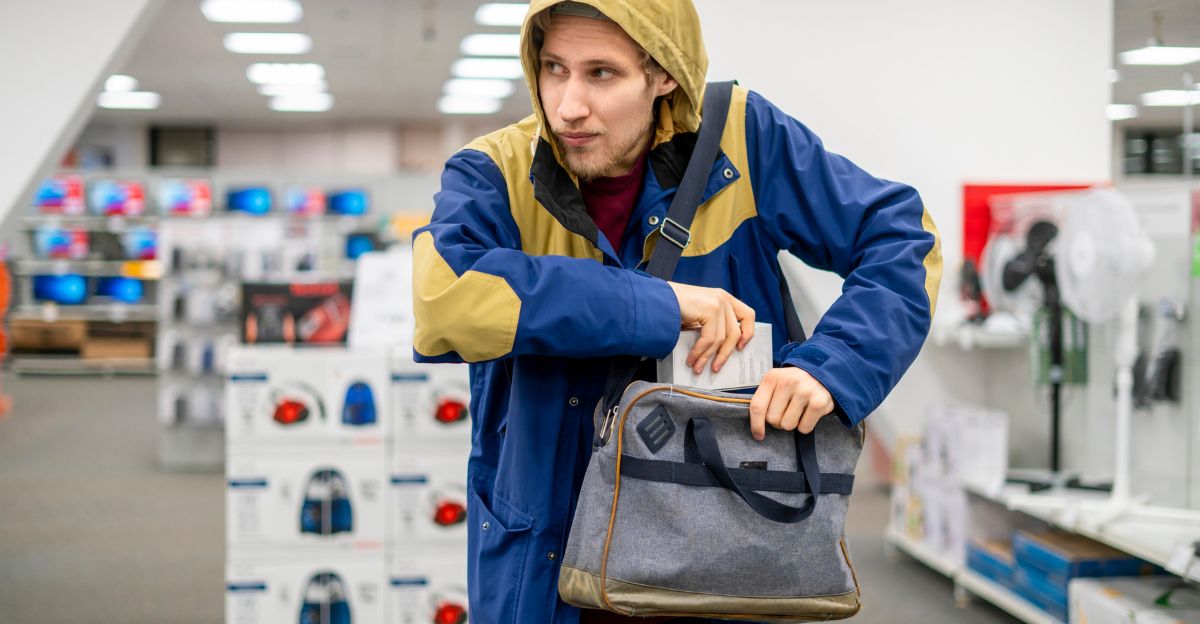
Walmart and other retailers carefully framed their removals to avoid appearing defeated by shoplifters. They emphasized customer experience over theft crises. Walmart stated goals: “provide the best shopping experience” and “streamline checkout.” Internally, loss prevention teams circulated police data and shrink reports—information that was often invisible in earnings calls or investor presentations.
Retailers used cautious language, suggesting operational adjustments rather than automation failure. Some stores removed self-checkout from high-theft zones while keeping it elsewhere, signaling a “data-driven” approach over a complete retreat.
What Walmart Didn’t Say Publicly
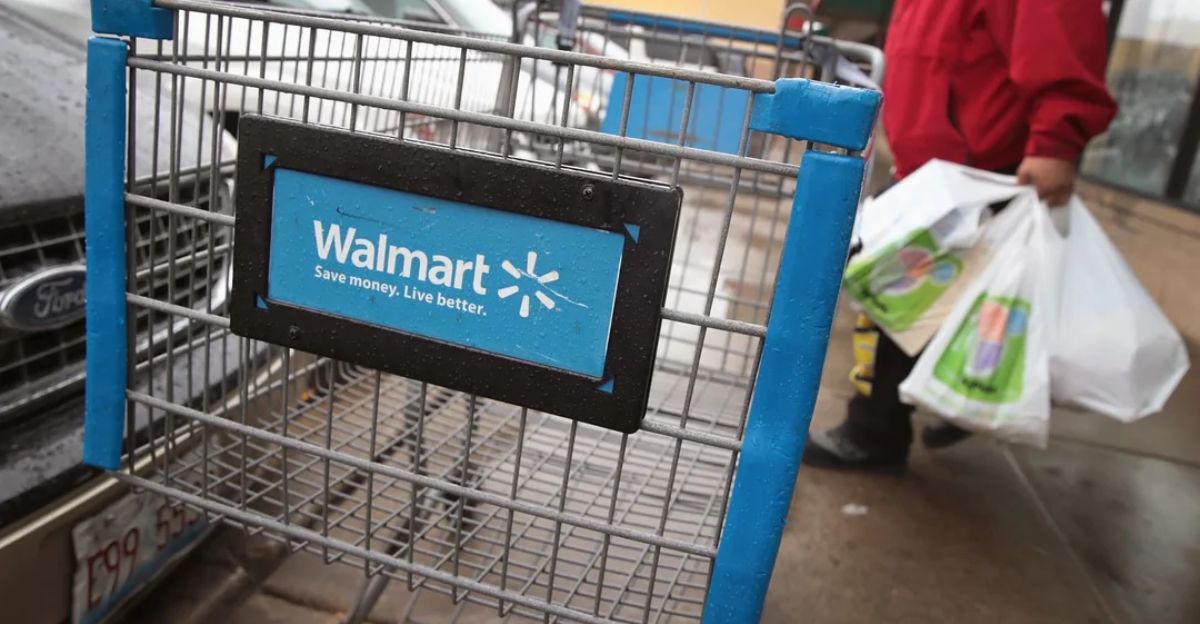
Behind closed doors, Walmart’s loss prevention teams created detailed shrink reports by store, category, and theft method. Documents showed high-value items (produce, electronics, cosmetics) disappeared rapidly at self-checkout.
Organized retail theft (ORT)—professional theft networks—targeted self-checkout for low detection risk. Some stores saw organized groups entering, stealing high-value items, and leaving with minimal risk.
Store managers reported their loss prevention staff couldn’t monitor self-checkout during busy hours. The gap between public messaging and internal focus was substantial.
Forward-Looking Question: Is This a Permanent Retreat?
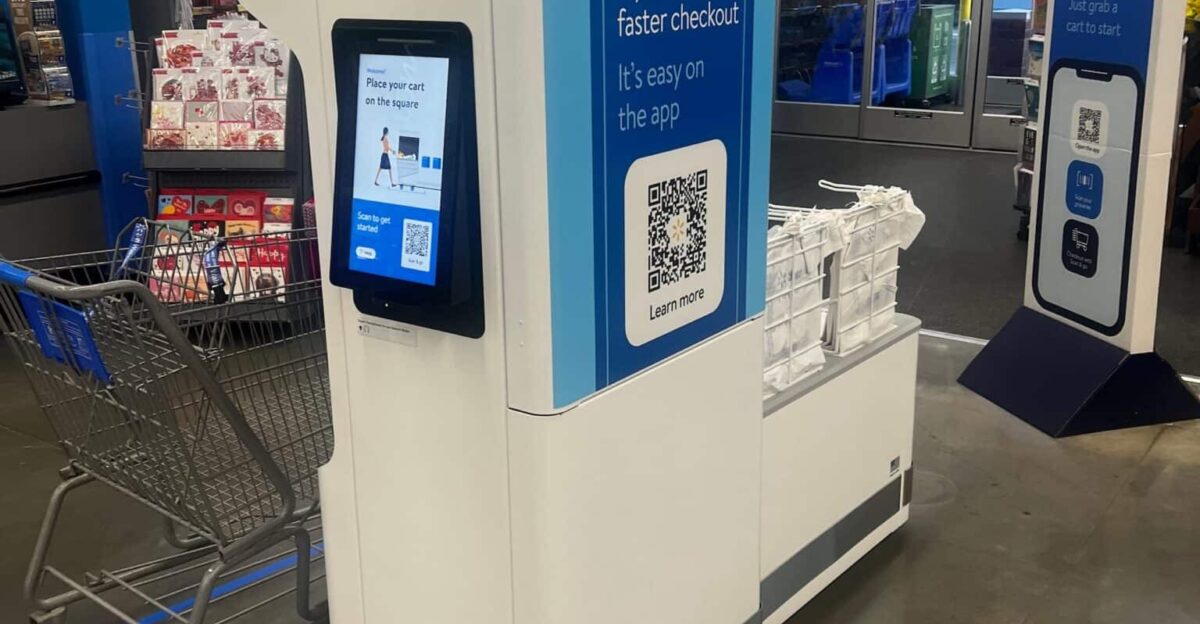
As of December 2025, the question persists: Will retailers abandon self-checkout or pull back temporarily? Industry analysts predict a middle path. Self-checkout may remain in lower-theft areas (busy urban stores, well-staffed locations, lower-theft customer groups) while disappearing from vulnerable zones.
Technology vendors are developing next-generation systems with enhanced monitoring capabilities. Some retailers explore hybrid models mixing automation with human oversight. The financial and psychological case for complete removal strengthened.
Retailers discovered that self-checkout-free stores attract customers and reduce stress.
Emerging Regulatory and Legislative Response
State legislatures and city councils are increasingly addressing retail theft as a public policy issue. California, New York, and Illinois have proposed or passed laws requiring retailers to invest in loss prevention or face oversight. These laws don’t mandate the removal of self-checkout but instead incentivize retailers to demonstrate their efforts to reduce shrinkage.
Some municipalities are exploring the requirement of staff at self-checkout or transaction value limits. These experiments suggest that self-checkout policy shifts from business choice to public policy. Regulations requiring staffed monitoring of tilt removal calculations further.
Beyond Retail

The self-checkout retreat affects the broader automation sector. Robotics and AI companies investing in automated retail solutions face a cautionary tale. Lessons extend beyond checkout—encompassing autonomous vehicles, warehouse automation, and systems that minimize human oversight.
Venture capitalists question “frictionless” automation that relies on consumer cooperation without enforcement. Retail shows fully autonomous systems work until cost-cutting meets human dishonesty.
Other industries, such as banking (ATM security), hospitality (self-check-in), and transportation (fare theft), face similar dynamics.
Public Perception and Social Media Narratives

The social media debate over removing self-checkout grew contentious. Removal supporters argue retailers shifted labor costs to customers, sacrificing service. Critics counter that blaming shoplifters ignores poverty and inequality, driving theft. Viral posts celebrate removal as a consumer victory.
Meanwhile, theft advocates use social media to share tips on low-staffed stores and optimal times for theft. Misinformation spreads—false removal claims, exaggerated theft statistics, and conspiracy theories about retail corporations.
Retailers fight sensationalism, but polarization remains. Self-checkout became a cultural battleground not just in operations, but also in the broader culture.
The Automation Paradox
The rise and fall of self-checkout mirrors earlier retail automation cycles. In the 1990s, retailers invested heavily in electronic article surveillance (EAS) tags and RFID systems, expecting theft to drop.
Instead, organized theft adapted. Retailers learned that sophisticated loss prevention needs human judgment that machines cannot provide. Barcode scanning and inventory systems promised to eliminate shrinkage through perfect information.
Reality proved different: employees and shoplifters adapted more quickly than retailers had expected. History shows that labor—human cashiers—proved more reliable in preventing theft than automation.
What This Means
Plain truth: Walmart and major retailers bet automation could replace workers while improving experience. Instead, they discovered that removing humans created problems—the theft crises swallowed profits.
The retreat isn’t a technology failure but misaligned incentives. Retailers prioritized cost cuts over loss prevention. Consumers spent at unsustainable rates. Forward-looking retailers will likely accept that checkout requires tradeoffs: accepting higher theft, investing heavily in prevention, or removing self-checkout entirely.
Removal is winning. Lesson: transformation doesn’t always go forward. Progress sometimes means going backward to human cashiers and friction deterring theft.
Sources:
Kiosk Marketplace, Walmart reverses course on self-checkout following spike in theft police calls, June 2024
Yahoo News, Walmart Makes Sudden Self-Checkout Decision After Theft Spike, June 2025
CSP Daily News, Theft With Self-Checkout Amounts to 3.5% of Sales, 2024
Progressive Grocer, Walmart Retools Self-Checkout Strategy in 2 States, April 2024
CNN, Walmart, Costco and other companies rethink self-checkout, November 2023
Blue Book Services, Study finds self-check has 16x more shrink than cashier lanes, March 2025