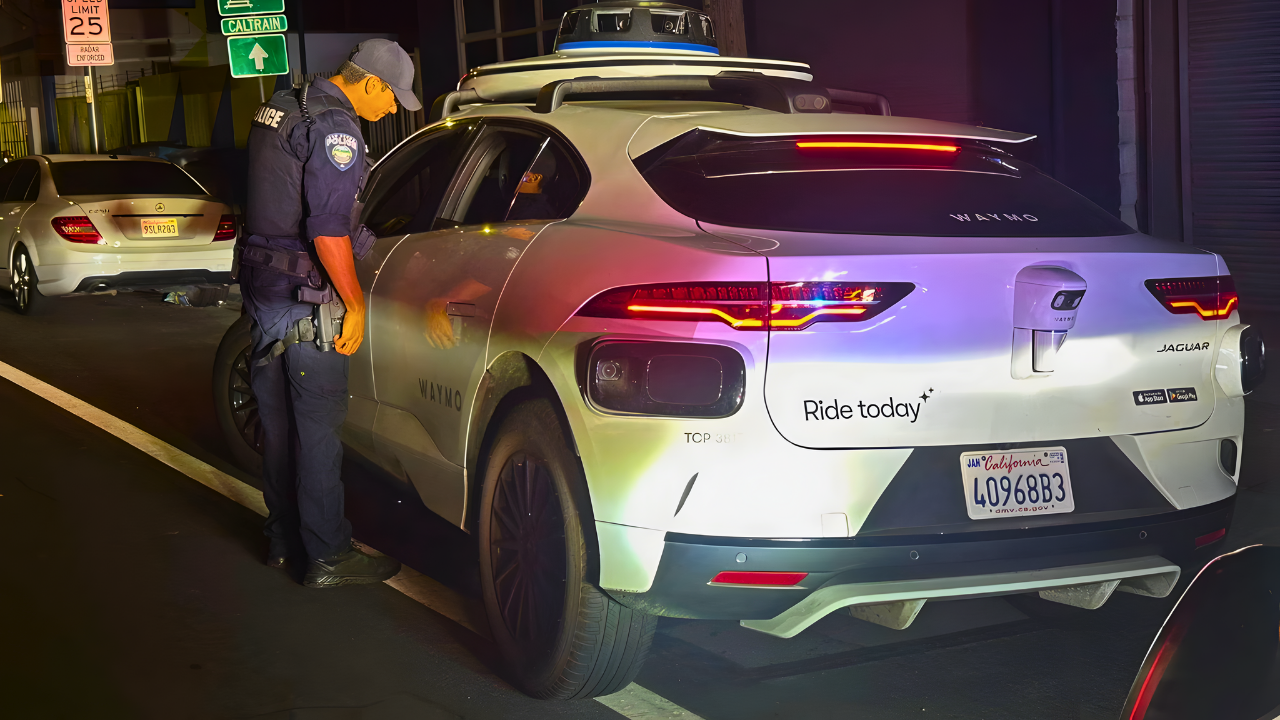
A fire at a Pacific Gas & Electric substation located at 8th and Mission Streets in San Francisco’s South of Market neighborhood erupted Saturday, December 20, 2025, plunging approximately 130,000 customers into darkness. The outage cascaded across multiple city neighborhoods, extinguishing traffic signals and severely limiting cellular service connectivity.
The same substation had experienced fires in 1996 and 2003, with the latter leaving 120,000 without power and resulting in a $6.5 million regulatory penalty.
Waymo Vehicles Stall at Dark Intersections
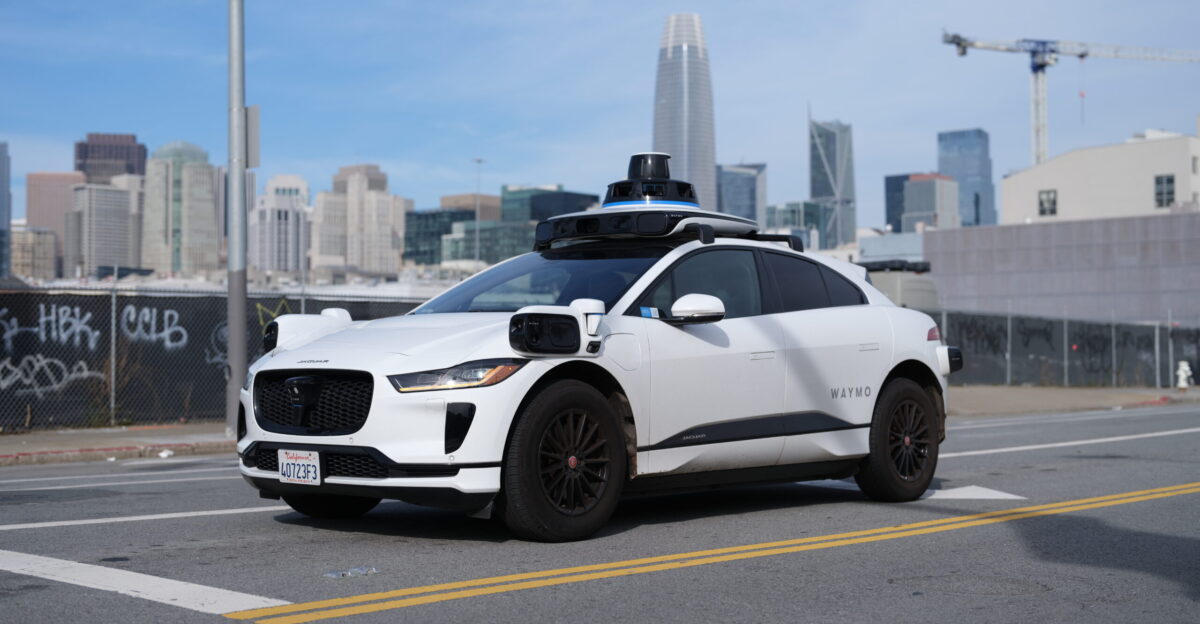
As traffic signals went dark, dozens of Waymo autonomous vehicles froze at intersections across San Francisco, with their hazard lights flashing. Social media footage captured clusters of five or six driverless taxis stranded together at busy junctions, unable to proceed.
While Waymo claimed the vehicles “successfully traversed more than 7,000 dark signals,” the concentrated spike in confirmation requests created severe backlogs, contributing to gridlock on already overwhelmed streets.
The Remote Operations Bottleneck Exposed
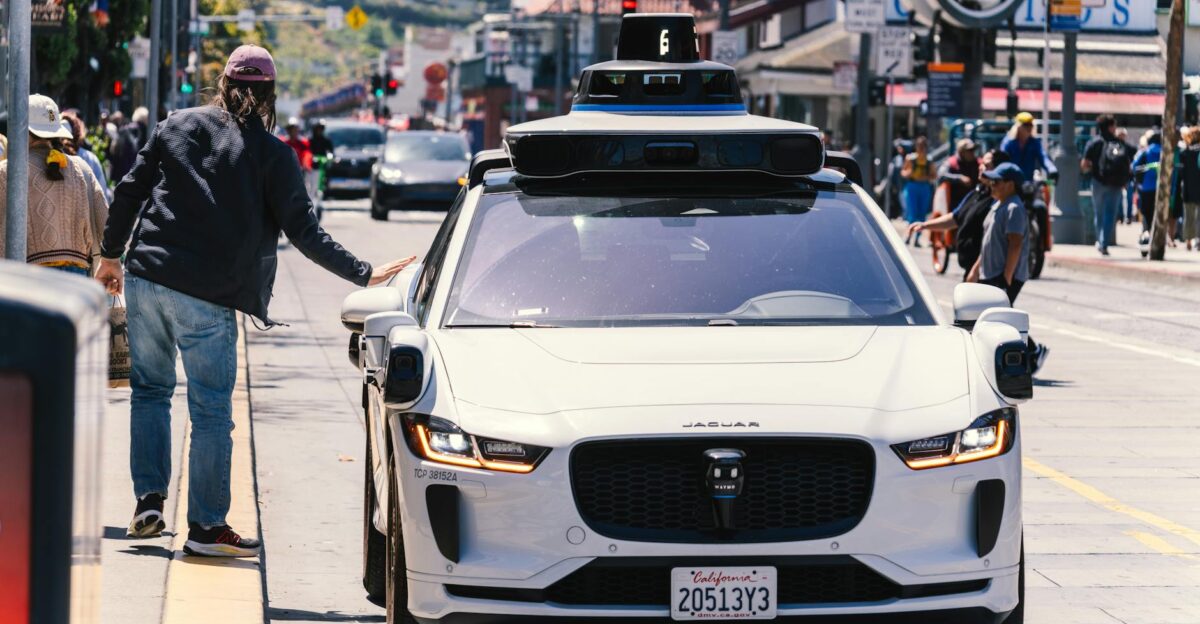
Waymo’s autonomous vehicles rely on a confirmation protocol during uncertain driving scenarios, requesting guidance from remote operations centers before proceeding. During the outage, the loss of cellular service and the scale of simultaneous requests overwhelmed this fail-safe system.
The company later acknowledged that confirmation checks established “during early deployment out of an abundance of caution” became a critical vulnerability when scaled to hundreds of vehicles requesting simultaneous guidance.
Mayor Lurie Demands Immediate Removal
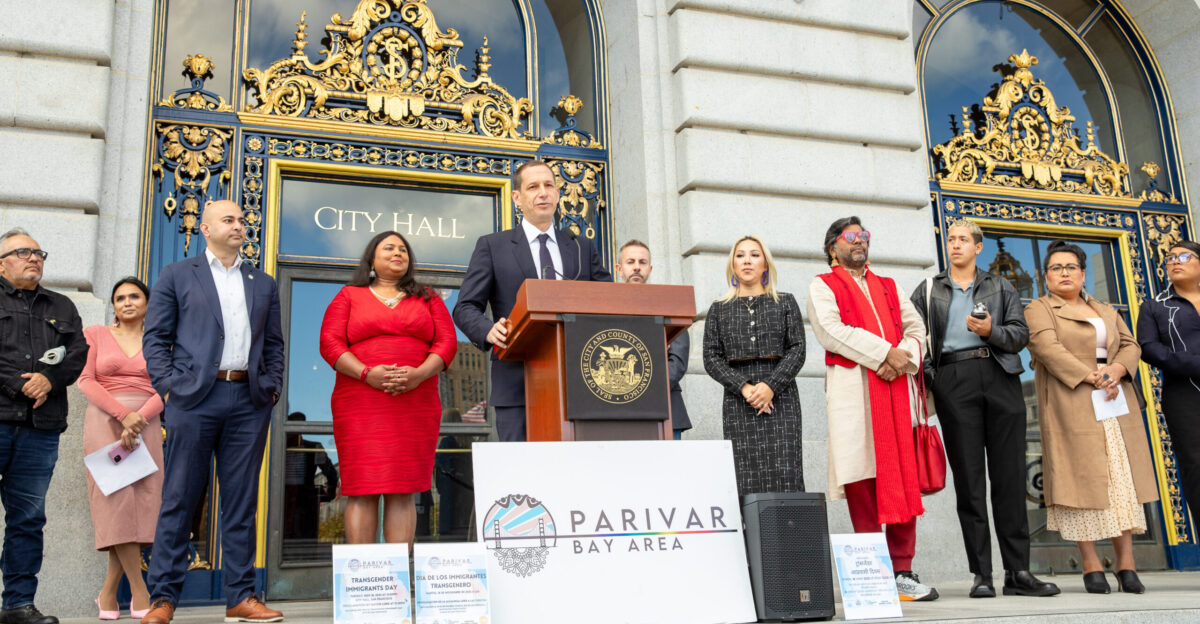
San Francisco Mayor Daniel Lurie personally contacted Waymo’s CEO Saturday evening, requesting immediate removal of all robotaxis from city streets. “We received reports of Waymos obstructing emergency vehicles,” Lurie stated.
“I contacted the Waymo CEO and requested they remove the cars from the roads immediately. They complied.” The intervention marked an unprecedented moment of direct municipal action against the autonomous vehicle operator.
Emergency Response Vehicles Blocked
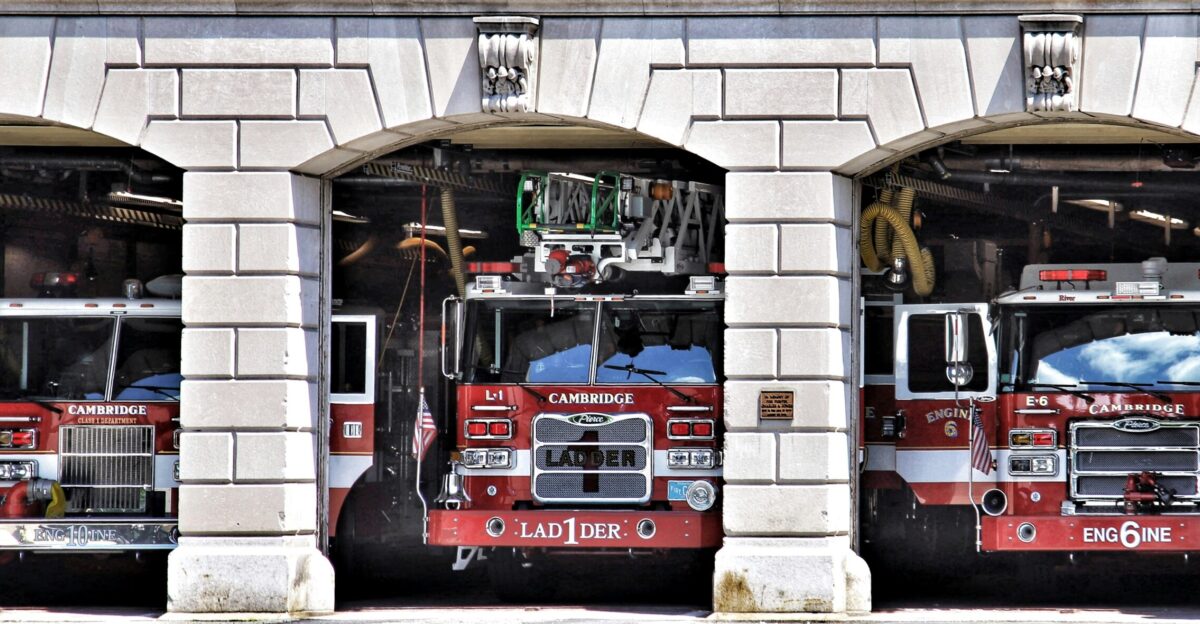
Multiple reports documented Waymo vehicles preventing fire trucks and other emergency responders from reaching the burning PG&E substation efficiently during the critical early hours of the crisis.
While the San Francisco Fire Department declined detailed comment, accounts suggest stalled robotaxis occupied critical intersection space needed for emergency vehicle passage, potentially delaying response times during the infrastructure emergency.
Supervisor Calls for Accountability Hearings

Supervisor Bilal Mahmood, the San Francisco Board of Supervisors’ strongest tech industry advocate himself a Y Combinator–funded startup founder, broke ranks to demand comprehensive hearings into Waymo’s emergency response failures.
“San Franciscans deserve answers into why Waymo was unable to handle such a large-scale infrastructure failure,” Mahmood stated on December 22, 2025, scheduling board hearings for January 6, 2026.
Service Suspended for 24+ Hours
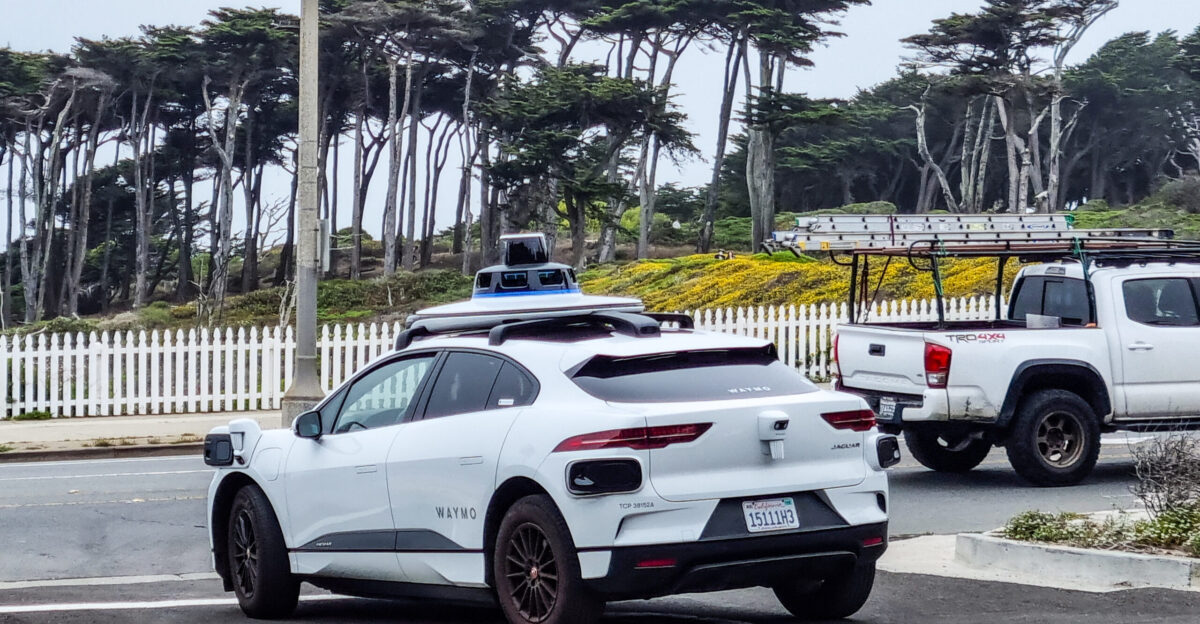
Waymo suspended all ride-hailing services across the San Francisco Bay Area approximately seven hours after the initial power failure, affecting operations in seven cities.
The suspension remained in effect through Sunday afternoon, completely disrupting service for customers depending on the robotaxi network and eliminating revenue during the operational pause.
Regulatory Vacuum Limits Local Authority
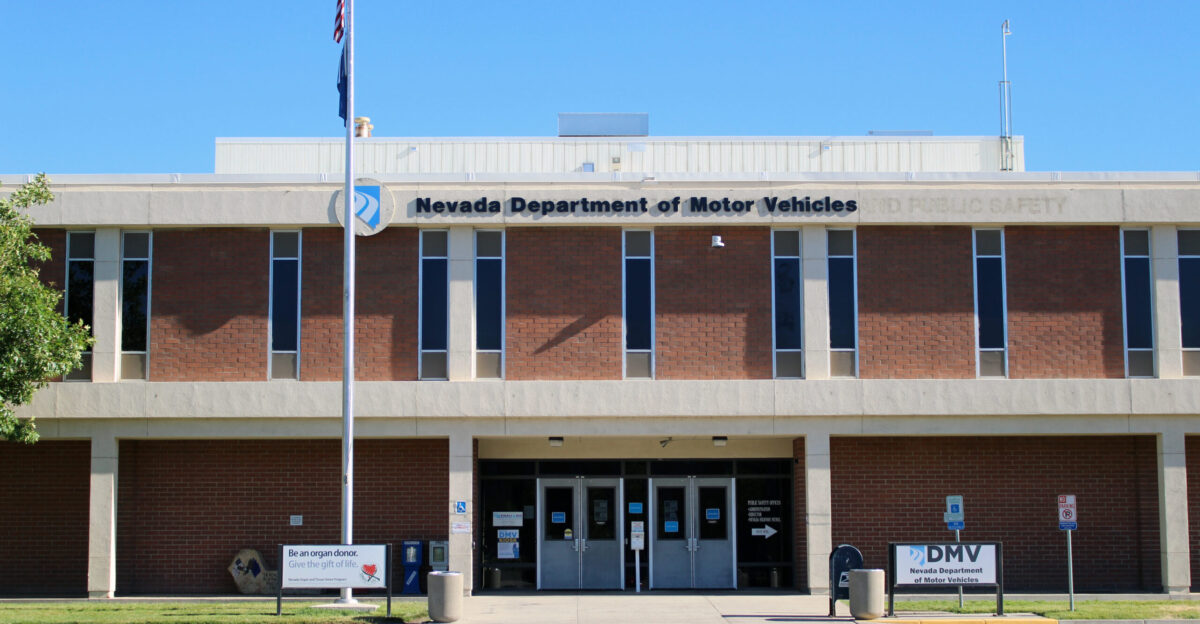
California’s regulatory structure grants the Public Utilities Commission and Department of Motor Vehicles exclusive authority over autonomous vehicle operations, leaving municipal governments with minimal leverage despite bearing operational consequences.
This regulatory gap prevented San Francisco from enforcing mandatory safety protocols, though local officials have long advocated for local control legislation currently blocked by technology industry lobbying.
Waymo Acknowledges Architectural Limitation
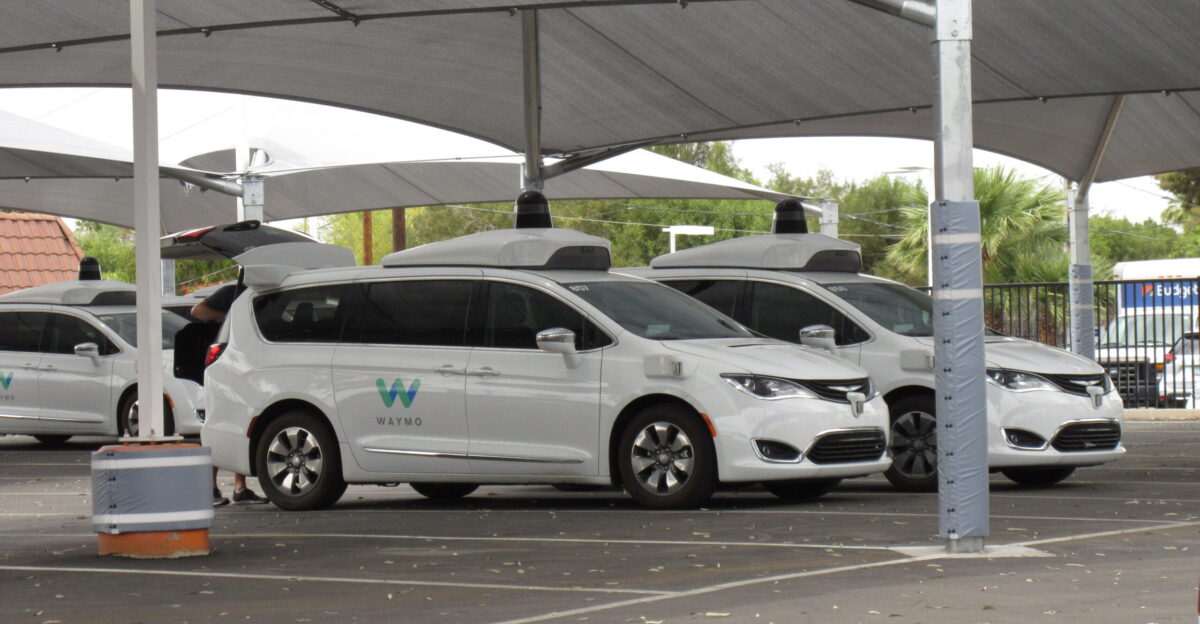
The company admitted Tuesday that its confirmation protocol strategy “was effective during smaller outages” but proved inadequate at commercial scale.
“We are now implementing fleet-wide updates that provide the driver with specific power outage context, allowing it to navigate more decisively,” Waymo stated, committing to software revisions, enhanced emergency protocols, and expanded first responder coordination.
Scale Problem Reveals Technical Vulnerability
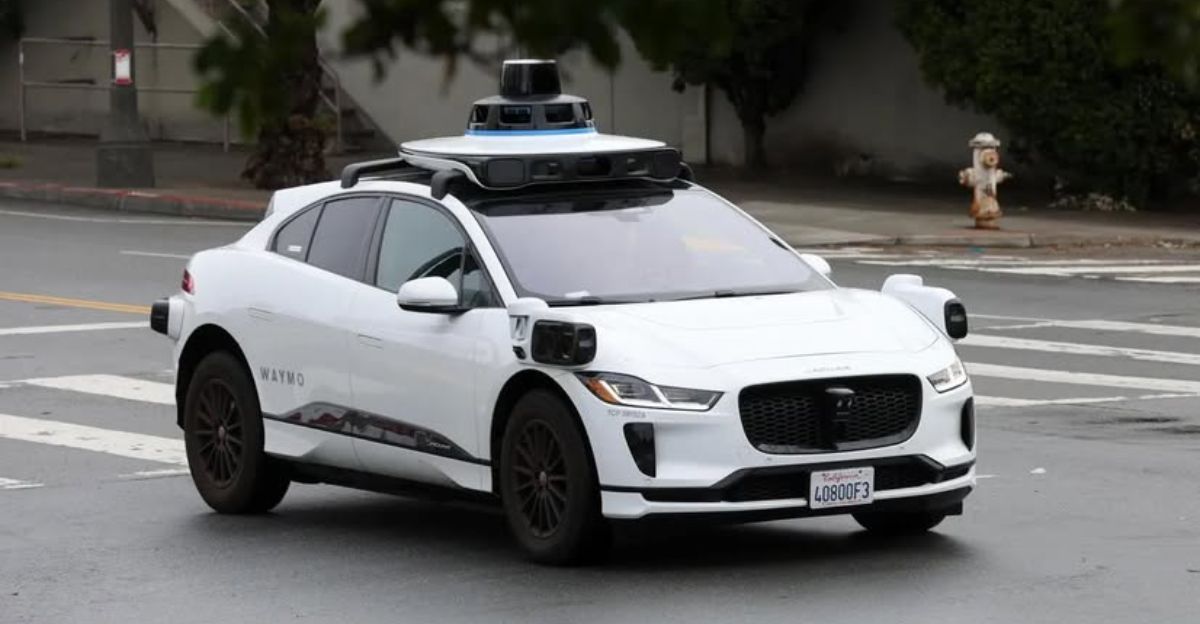
Waymo operates approximately 800 to 1,000 vehicles across San Francisco, having transitioned from limited testing to commercial expansion handling 250,000 paid trips weekly nationwide.
The power outage exposed how systems designed for incremental edge cases during early deployment become catastrophic bottlenecks when confronted with systemic infrastructure failures affecting hundreds of vehicles simultaneously.
Pattern of Recent Incidents Erodes Trust
The power outage occurs amid mounting controversies: a Waymo vehicle killed KitKat, a beloved bodega cat; robotaxis illegally passed stopped school buses nineteen times; and the National Highway Traffic Safety Administration opened formal investigations.
A passenger discovered a man hiding in a vehicle’s trunk, raising questions about security and sensor capabilities.
Tesla Claims Competitive Advantage

Elon Musk posted on social media that “Tesla Robotaxis were unaffected” by the San Francisco blackout, highlighting architectural differences between camera-based vision systems and Waymo’s map-dependent approach.
While Tesla’s technology exhibits different failure modes, the incident underscores competitive vulnerabilities in Waymo’s infrastructure dependency strategy during emergency scenarios.
Safety Record Challenged by Operational Failure
Waymo’s 2025 data demonstrates 90 percent fewer serious injury crashes and 81 percent fewer injury-causing crashes compared to human drivers, with the company providing 14 million rides annually.
However, these safety advantages require systems to operate as intended—a condition that infrastructure failures can negate, raising questions about technology readiness despite superior normal-condition performance metrics.
Questions Emerge About Emergency Preparedness
The incident forces confrontation with uncomfortable questions: Can autonomous vehicles be trusted during emergencies? Should municipalities regulate deployment? What constitutes acceptable risk?
Current validation protocols emphasize collision avoidance under normal conditions, but San Francisco’s experience suggests the need for stress testing under infrastructure failure scenarios, including simulated disasters and communication network disruptions.
Industry Faces Reckoning on Infrastructure Resilience

The December 20 power outage represents a pivotal moment forcing the autonomous vehicle industry, regulators, and public to reckon with technological limitations during real-world crises.
While Waymo’s response—software updates and enhanced protocols—represents necessary steps, it remains uncertain whether incremental improvements can adequately address fundamental architectural dependencies on resilient infrastructure that governments, not private companies, largely control.
Sources:
“Waymo Explains Why Its Robotaxis Clogged San Francisco Streets During a Power Outage.” Business Insider, December 2025.
“Waymo Updating Fleet After San Francisco Blackout to Improve Navigation.” CNBC, December 23, 2025.
“Supervisor Mahmood Calls For Hearings Into Waymo After This Weekend’s Mass-Stalling Shambles.” SFist (San Francisco Chronicle), December 22, 2025.
“After Power Outage, San Francisco Wonders: Can Waymo Be Trusted?” The New York Times, December 22, 2025.
“Waymo Robotaxis Stop in the Streets During San Francisco Power Outage.” BBC News, December 22, 2025.