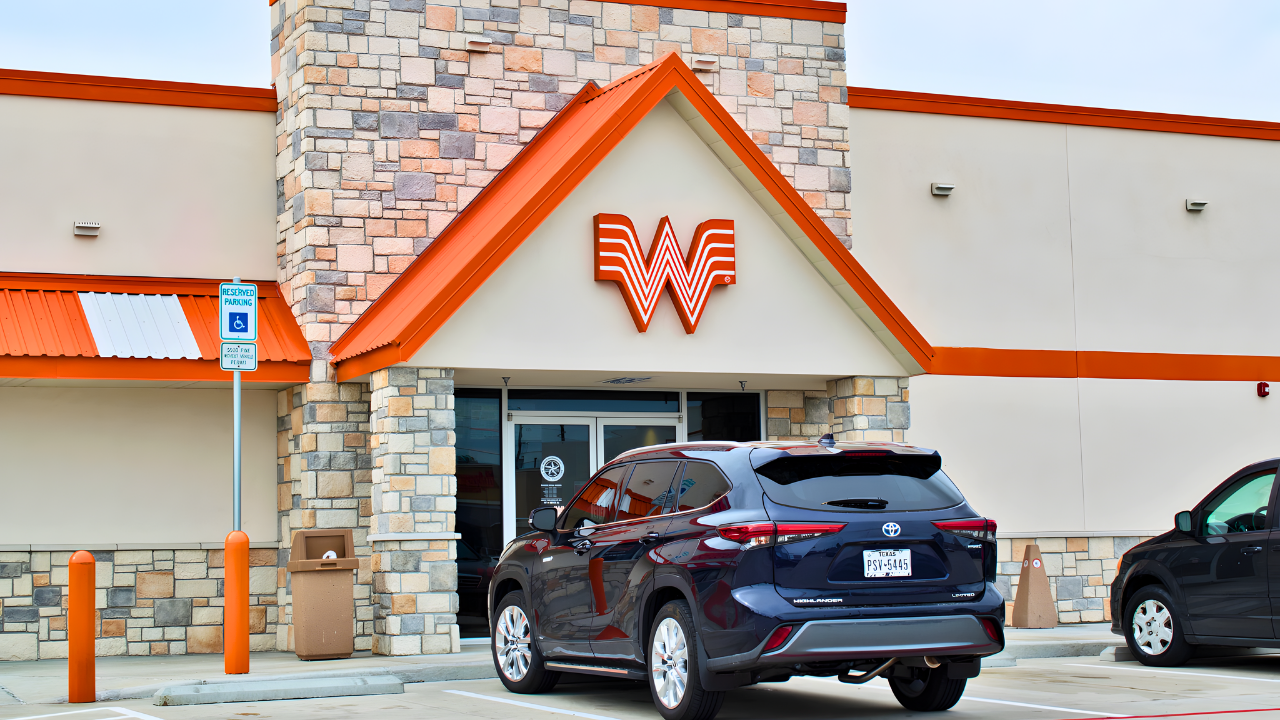
Whataburger, a beloved Texas burger chain known for its 24/7 service and loyal customer base, has announced the closure of eight locations in the Southeast. This decision, announced in mid-December 2025, represents the most significant regional retrenchment for the company in recent years.
The affected stores are located in Tennessee, Alabama, and Georgia, areas where Whataburger had recently expanded with high hopes. Company officials frame the closures as routine portfolio management, but industry observers raise doubts about the feasibility of expansion into new markets. The sudden closures have left communities questioning the chain’s commitment to its growth strategy.
Expansion’s Shadow Side
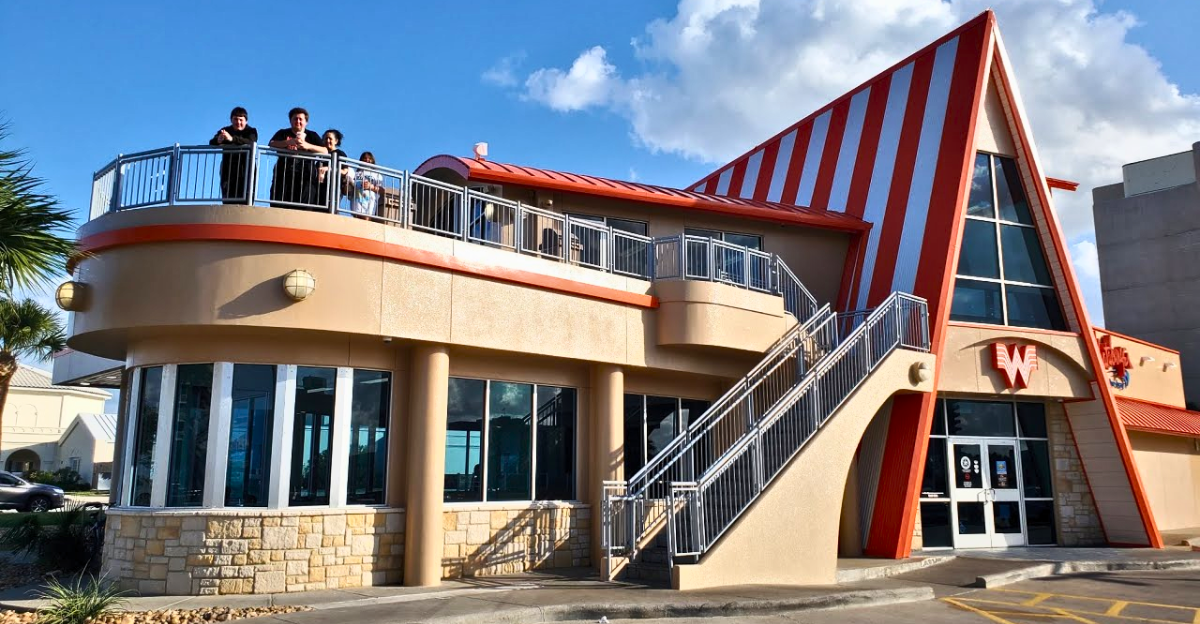
Over the past five years, Whataburger has expanded nationally, moving beyond its Texas roots into 17 states and surpassing 1,100 locations. This aggressive growth strategy followed the 2019 sale to private equity firm BDT Capital Partners, raising expectations for national prominence.
The allure of entering new markets, particularly in the Southeast, brought excitement to franchisees eager to replicate Texas’s success. However, as recent closures reveal, the ambitious expansion has faced significant challenges. Whataburger now faces questions about whether its growth model truly aligns with consumer demands in unfamiliar regions, highlighting potential miscalculations in its expansion strategy.
A Southeast Beachhead
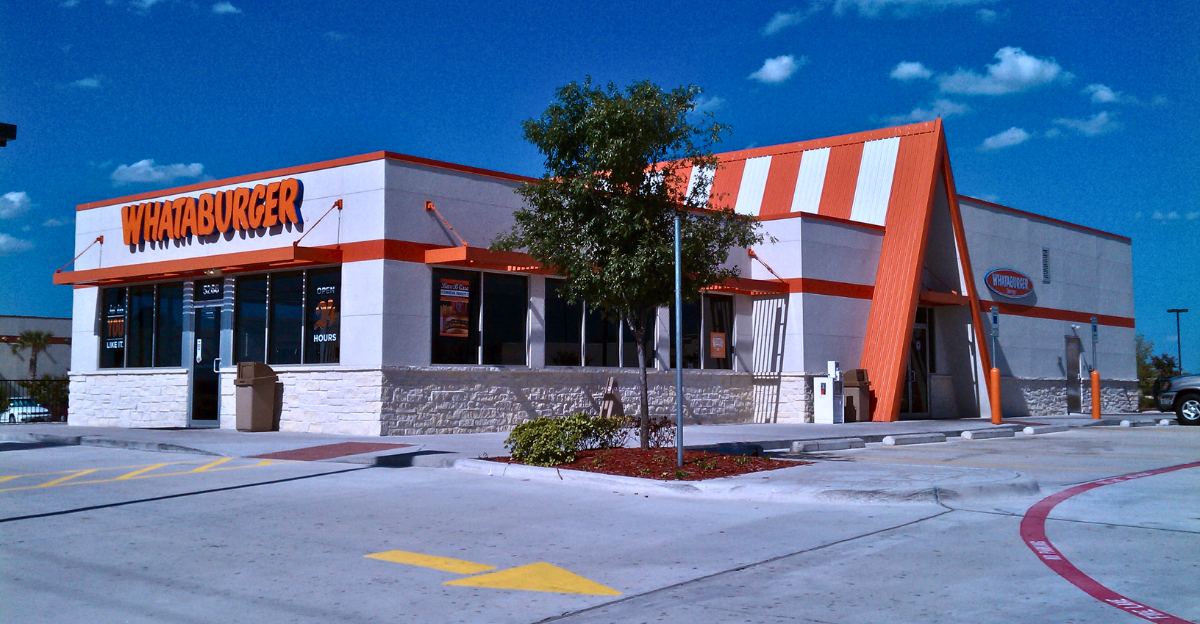
Whataburger’s introduction to the Southeast began cautiously in Georgia, expanding into Tennessee and Alabama over the course of three years. The chain’s first location in the Atlanta area opened in November 2022, marking the beginning of a strategic expansion into college towns and bustling suburban areas. Executives considered this region a vital growth opportunity, announcing multiple openings through 2024.
Tennessee became a central focus, with locations in Mt. Juliet and Murfreesboro opening in July 2024, while communities in Georgia welcomed stores in Dahlonega and Athens soon after. The timely rollouts suggested a confident approach to market entry, but recent closures could indicate underlying issues.
The Unraveling Pattern
By late 2024, challenges within Whataburger’s Southeast branches began to surface. Despite initially high foot traffic, profitability lagged behind company averages. Operational difficulties and staffing issues hindered performance, revealing gaps in adapting to new market dynamics. Additionally, rising supply chain costs and intense competition from well-established chains, such as Five Guys and Shake Shack, created further turbulence.
Franchisees reported slower-than-expected customer acquisition, prompting urgent discussions within management about performance metrics in the fall of 2025. The culmination of these issues prompted the company to launch a review of store viability, resulting in the impending closure of underperforming locations.
Eight Locations Shuttered
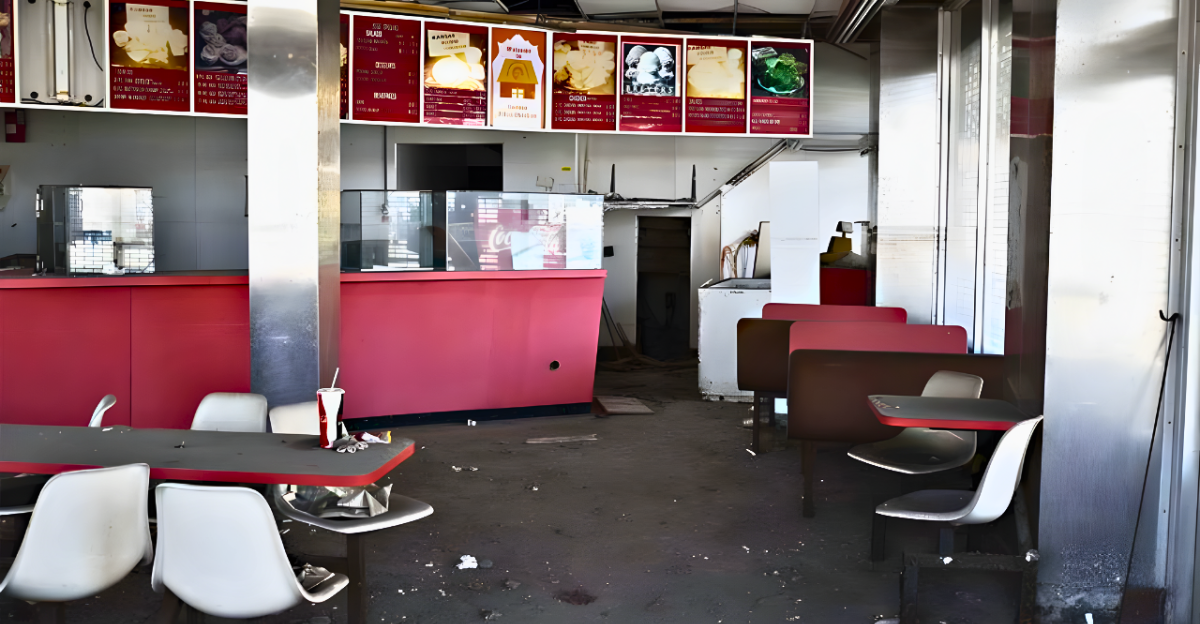
Effective immediately or within weeks, Whataburger confirmed the permanent closure of eight locations across Tennessee, Georgia, and Alabama, scheduled to take place from December 12 to 15, 2025. In Tennessee, four stores closed: Mt. Juliet, Murfreesboro, and two in Clarksville. Georgia faced losses with the closures of Dahlonega and Athens.
Meanwhile, Alabama experienced the shutdown of flagship locations in Auburn and Tuscaloosa. Although these closures represent less than 1% of Whataburger’s extensive footprint, their concentrated regional impact highlights a potentially pivotal moment in the company’s operational strategy. The rapid retraction raises questions about future growth in distant markets.
Tennessee’s Unexpected Loss
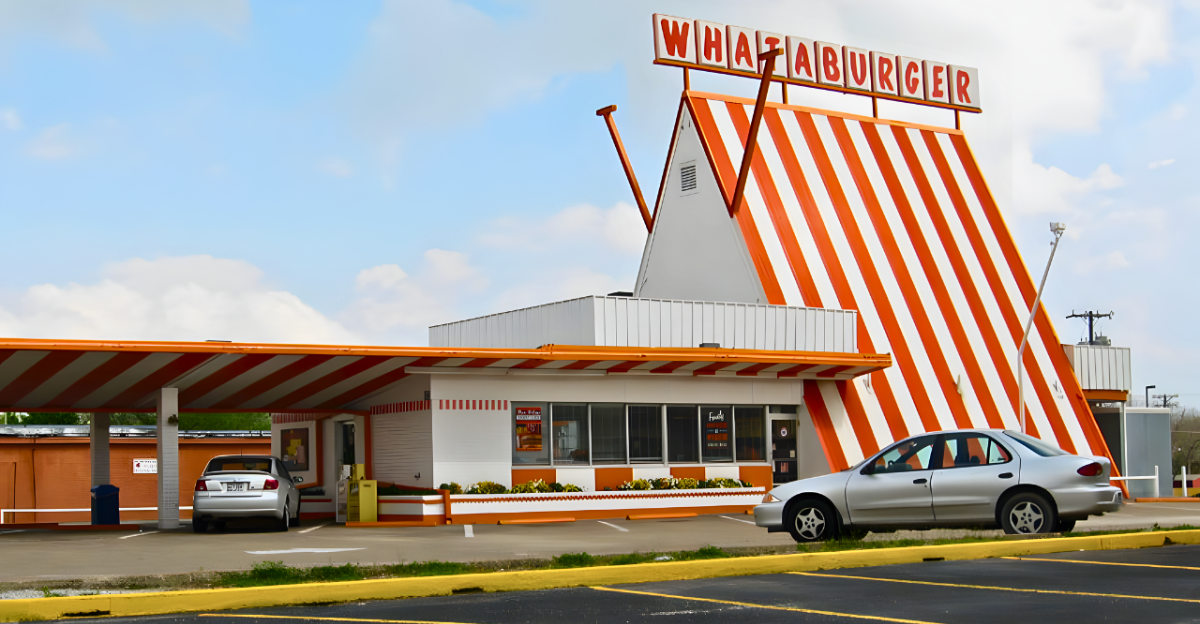
Middle Tennessee, once regarded as a promising market for Whataburger, is now witnessing abrupt closures. The company had invested significantly in this area, anticipating a positive reception from the community. However, the closures of Mt. Juliet, Murfreesboro, and Clarksville locations reveal an unexpected downturn.
“We thought they would thrive here,” remarked a local franchisee. “There was a lot of hope and excitement.” The sudden turn of events has left many customers and workers disappointed, as Whataburger had established a growing presence, with earlier successes providing a sense of optimism for its future in the region.
Georgia’s Brief Encounter
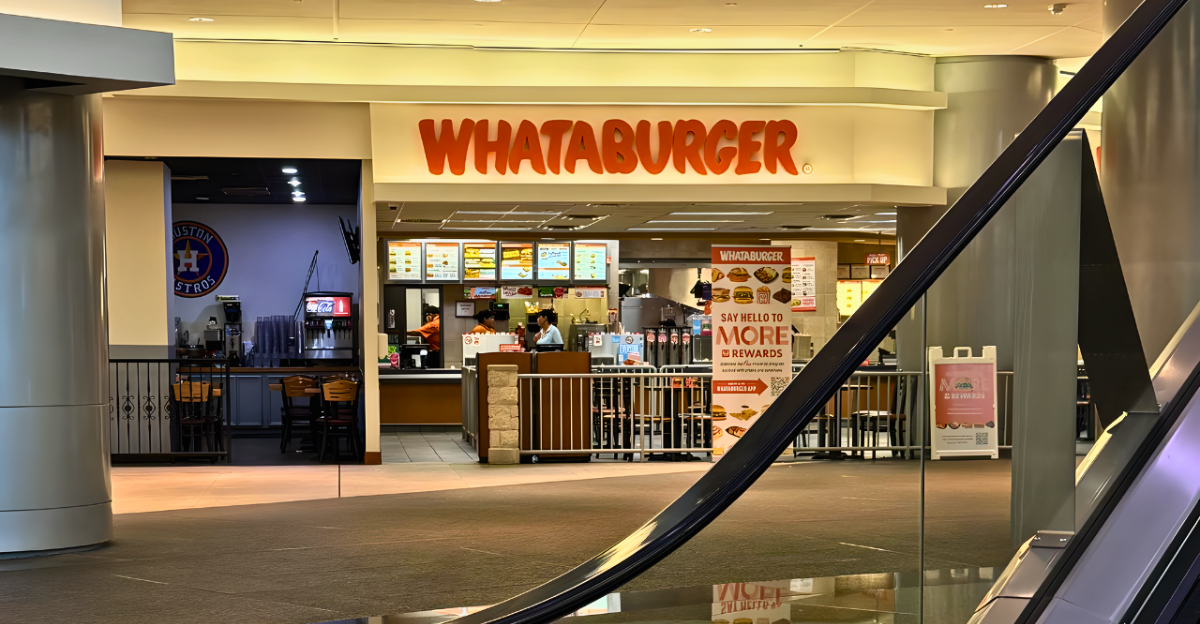
Whataburger’s foray into Georgia started with great enthusiasm, yet it quickly turned sour with the closures of Dahlonega and Athens locations. Initially, these locations attracted a steady flow of customers eager to experience the Texas-based brand.
A local diner recounted, “The place was packed on opening day. We thought they’d make it.” However, dwindling sales and operational issues soon became apparent. “It’s disappointing to see a brand so loved leave so quickly,” lamented a longtime resident. These quick losses raise concerns not just about Whataburger, but about the broader viability of new entrants in competitive food markets.
Community Reactions

The closure of Whataburger locations has evoked strong reactions from loyal customers and neighborhood communities. “I’ve always loved Whataburger. It was a taste of home,” shared a Tuscaloosa resident who frequented the now-closed downtown location.
Customers expressed their disappointment, citing the chain’s unique offerings as a contrast to other fast-food options. “We cherished having them here. Now it’s just a ghost of what could have been,” commented a local college student. The closures not only impact customers but also signify missed opportunities for workforce growth and regional economic stimulation.
Financial Implications
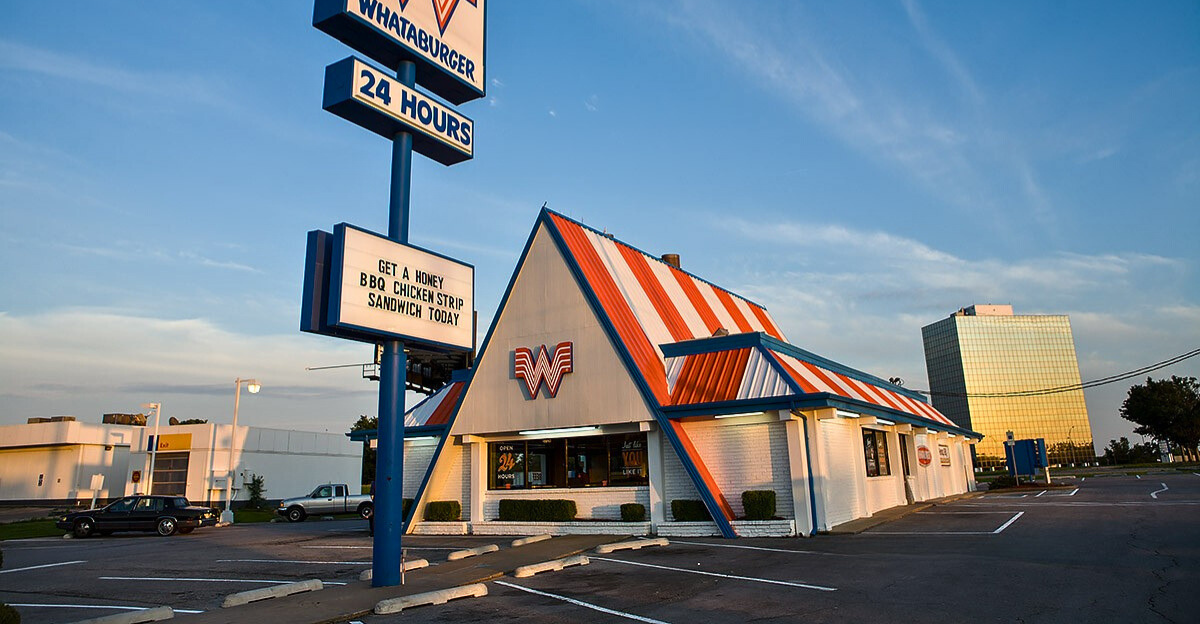
Whataburger’s strategic miscalculations in the Southeast are revealing significant financial implications. With the closures punctuating a swift expansion plan, analysts predict a potential downturn in revenue and brand loyalty. The cost of operational inefficiencies and higher-than-expected logistics expenses directly impacts profitability.
A financial analyst noted, “Investing in unfamiliar markets can significantly strain resources, and Whataburger’s recent decision to retract speaks to deeper strategic issues.” The economic costs tied to the closures may take time to recover from, as Whataburger reassesses its long-term growth strategy in a shifting landscape.
Navigating the Future
Whataburger now faces an uncertain path as it navigates through the aftermath of these closures. Executives are tasked with reevaluating their expansion plans, considering both local market needs and operational scalability. Industry observers suggest a return to focusing on core markets may be necessary.
“Whataburger must learn from this experience,” expressed a restaurant industry expert. “Aligning their strategies with consumer demands in existing markets could strengthen the brand’s position.” The company’s next steps will determine its resilience in the fast-food landscape. Adaptation and learning from these setbacks could pave the way for future recovery.
Lessons Learned
The closures of these Whataburger locations offer critical lessons for both the brand and the fast-food industry. A key takeaway is the importance of conducting a thorough market analysis before expansion. Understanding local preferences and consumer behavior is essential to making informed decisions.
A fast-food consultant emphasized, “Quick expansion can sometimes lead to misalignment with market realities. Successful growth requires a deep understanding of each region.” Whataburger must take these lessons to heart as it moves forward in reclaiming its position in the fiercely competitive fast food landscape.
Looking Ahead
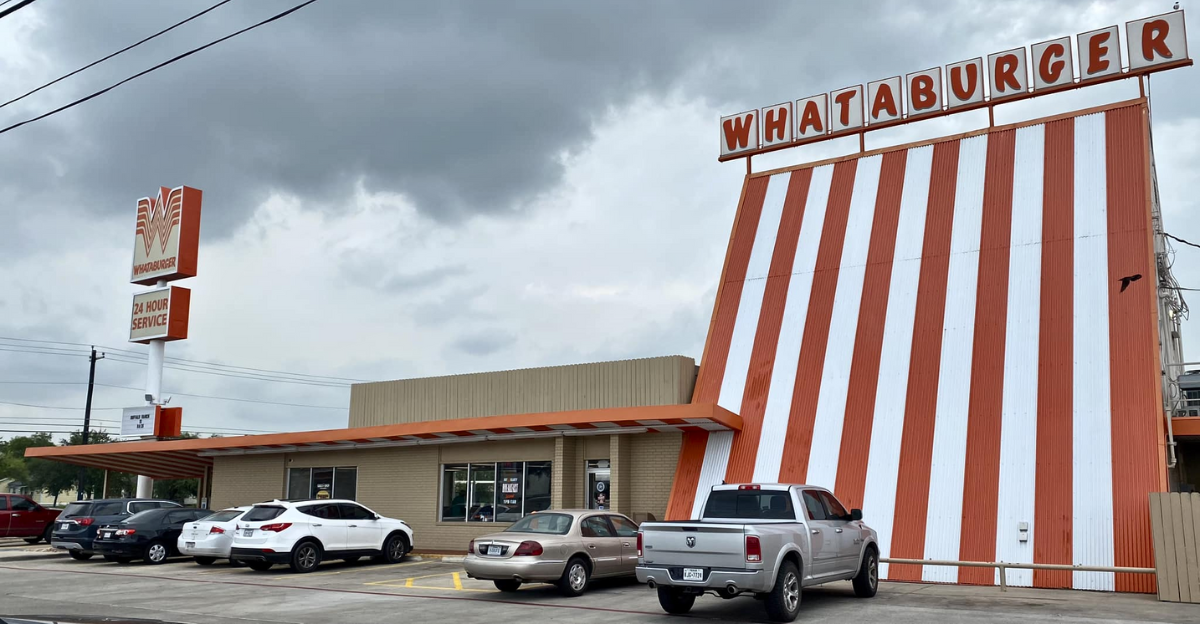
As Whataburger contemplates its future, strategic pivoting may be the focus moving forward. Executives must devise a balanced approach that combines operational efficiency with localized understanding. Major decisions ahead will determine whether the chain can recover its brand strength.
“A well-thought-out strategy incorporating community feedback could be the key to revitalizing Whataburger in these markets,” said an independent franchise analyst. The growth potential still exists, but success will depend on reframing its narrative and addressing operational vulnerabilities.
Competitive Landscape
In a competitive landscape filled with established chains like Five Guys and Shake Shack, Whataburger’s experience serves as a cautionary tale. As these brands continue to thrive, they highlight the need for agile operational strategies and market adaptability.
“It’s a crowded field,” noted a culinary commentator. “To survive, Whataburger must differentiate itself and truly understand what customers want.” Navigating the increasing complexity of consumer preferences will play a pivotal role in determining the brand’s stability as it adapts to evolving market dynamics.
The Brand Legacy
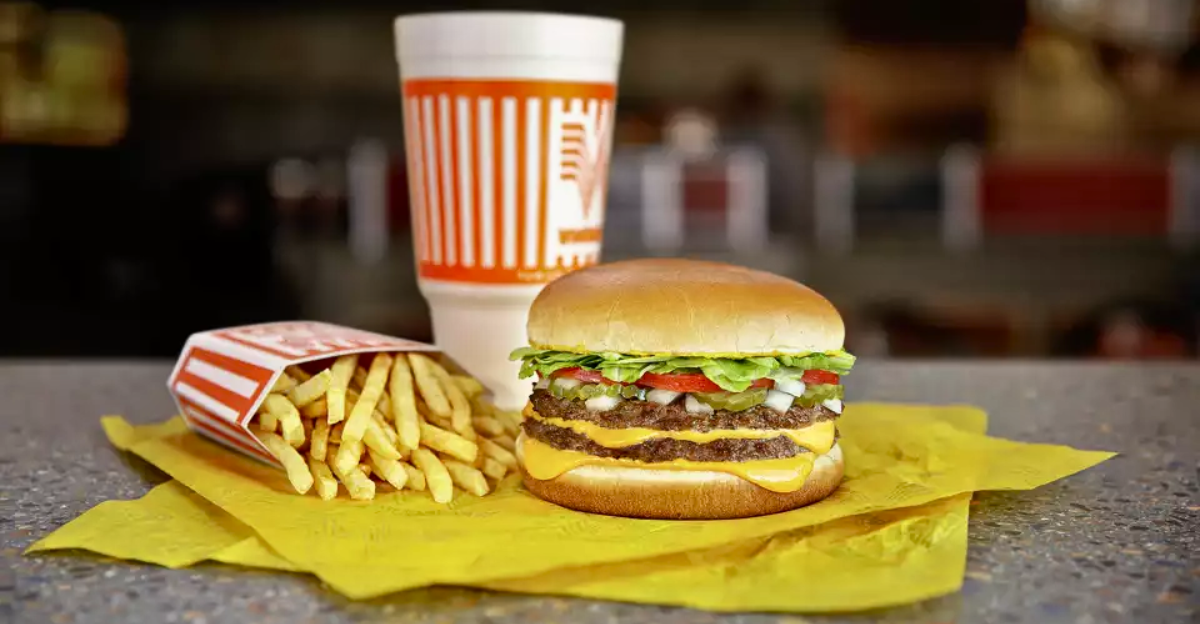
Despite recent challenges, Whataburger remains an iconic brand with a rich history rooted in Texas culture. The legacy of the burger chain is not solely defined by its recent closures but by its perseverance in the face of adversity. “Whataburger has a loyal following, and that shouldn’t be forgotten,” remarked a marketing analyst.
The brand’s dedication to customer experience and quality could be its ace in revitalizing its retail approach. Emphasizing community connections may help Whataburger regain lost ground, shifting perspectives from recent closures to future opportunities.
Resilience & Recovery
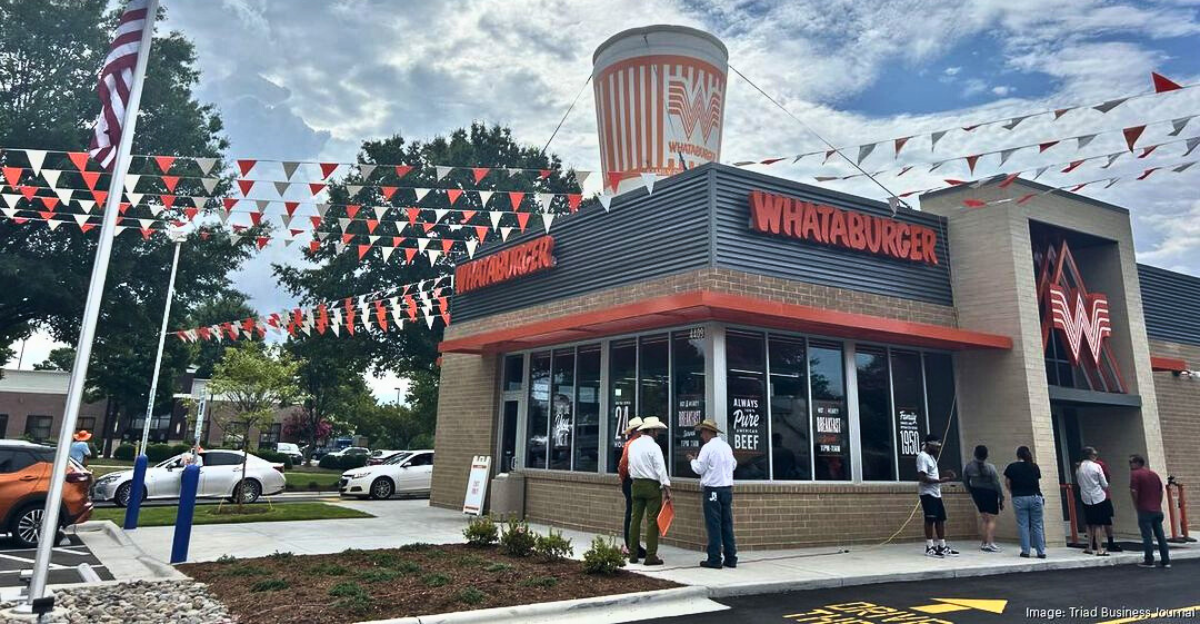
In conclusion, Whataburger’s recent closure of eight locations underscores the complex dynamics of national expansion in the fast-food industry. As the chain reflects on its recent setbacks, the emphasis on market alignment, operational proficiency, and customer engagement will shape its recovery journey.
“Every setback is a setup for a comeback,” expressed a business leader. Whataburger’s ability to learn from this experience, adapt its strategies, and reconnect with its customer base will be crucial. The future hinges on resilience and innovation as Whataburger navigates challenges while remaining true to its foundational values.
Sources:
Houston Chronicle – “Whataburger to close several restaurants in the South”
Yahoo Finance – “Whataburger closed 8 restaurants in these states”
The Tennessean – “Whataburger closing four Middle Tennessee restaurants”
ToNeTo Atlanta – “Whataburger Will Now Close A Total of Eight Restaurants”
Restaurant Dive – “Whataburger hires former McDonald’s exec as chief development officer”
QSR Magazine – “The 2025 QSR 50: Fast Food’s Leading Annual Report”