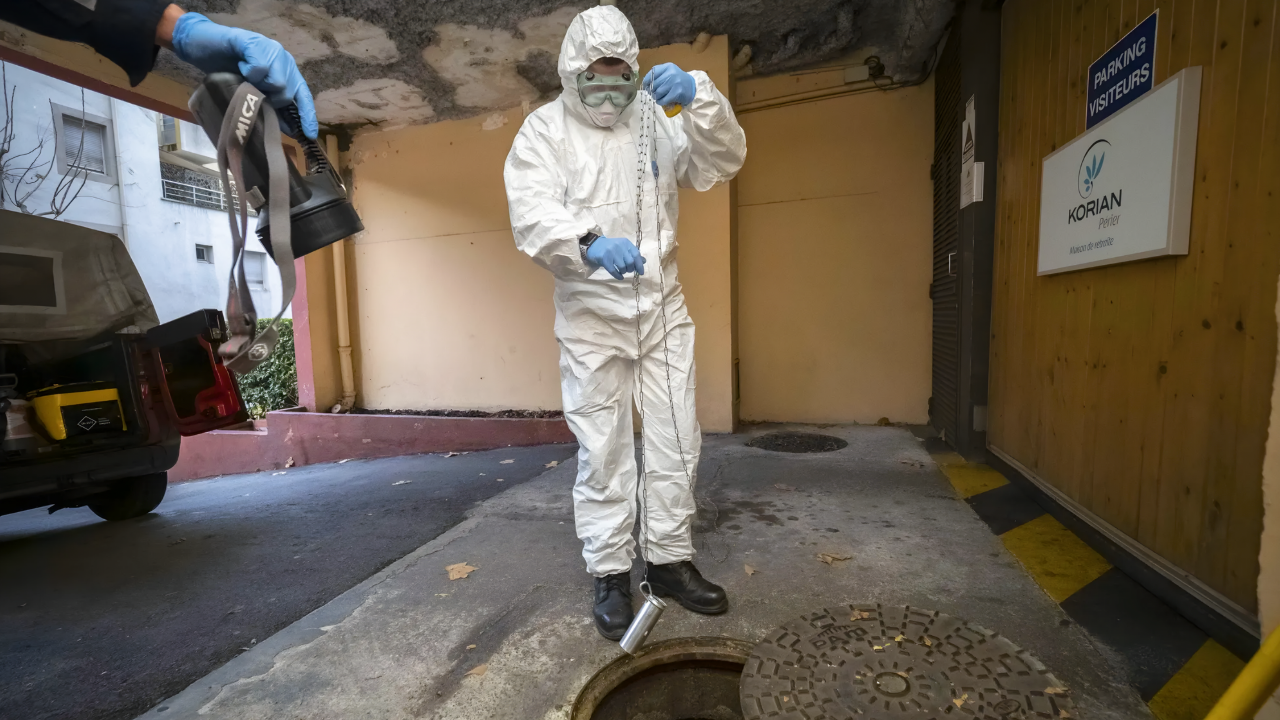
A deadly virus that vanished from Europe twelve years ago has returned. In early December 2025, French health authorities confirmed two cases of Middle East Respiratory Syndrome Coronavirus (MERS-CoV) in travelers who had recently arrived from the Arabian Peninsula. The virus kills approximately one in three people it infects—a fatality rate roughly 37 times deadlier than COVID-19. For health systems still processing lessons from a global pandemic, this development arrives as both a reminder and a warning.
The two French patients were immediately isolated, triggering contact tracing protocols and raising vigilance across European healthcare networks. These cases represent the first documented MERS infections in France since 2013, marking a break in more than a decade of absence from the continent. Yet beneath the apparent calm lies an uncomfortable reality: this virus never left the world. It simply remained concentrated in its endemic regions, mostly Saudi Arabia, waiting for the right conditions to cross borders again.
Understanding the Threat Profile

MERS-CoV belongs to the coronavirus family, but its characteristics diverge sharply from the virus that dominated the past two years. While COVID-19 established a roughly 1 percent fatality rate, MERS kills approximately 37 percent of confirmed infections. This places it in a category reserved for some of humanity’s most devastating pathogens. Since 2012, when MERS first emerged, nearly 1,000 people have died across 27 countries. As of December 21, 2025, the year had recorded 19 confirmed cases and four deaths globally—numbers that appear modest until one considers the per-case lethality. The World Health Organization classifies MERS as one of the most severe coronaviruses known to science.
Hospital Transmission and Vulnerable Exposure
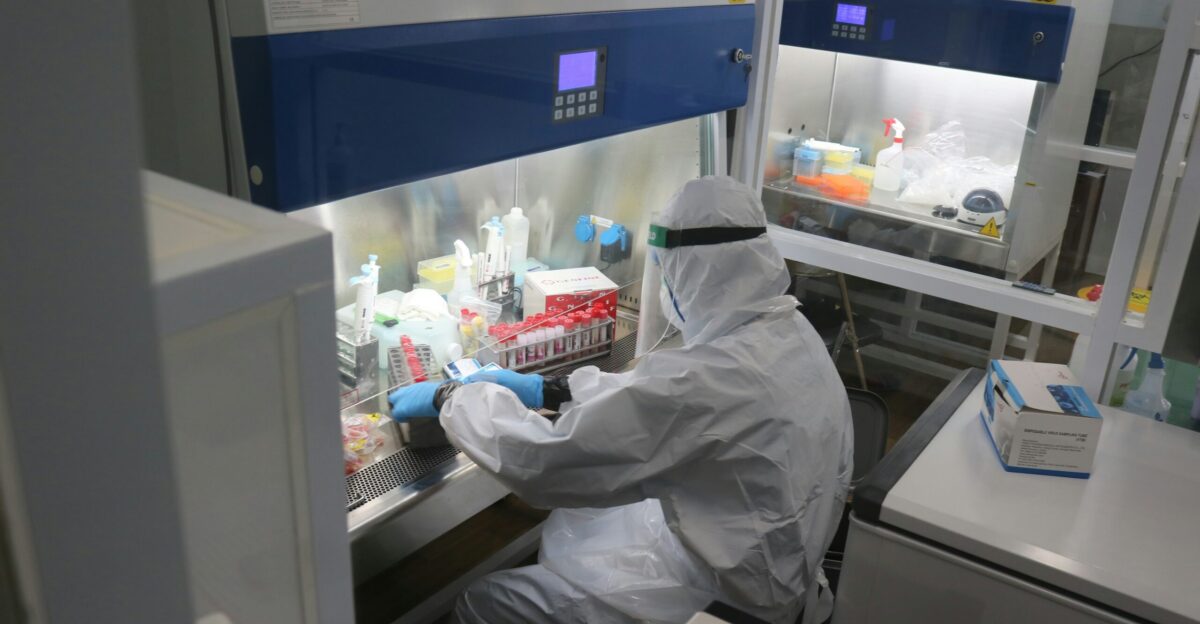
MERS does not spread easily through casual contact in public spaces. Instead, it establishes itself in hospitals, transforming these facilities into amplification chambers. The virus exploits the intimate moments of medical care: a nurse leaning close to assist a struggling patient, a doctor inserting a breathing tube as aerosol particles fill the air, healthcare workers performing procedures that generate respiratory droplets. These moments of human contact within hospital walls create the perfect conditions for rapid transmission. Historically, significant percentages of secondary infections have occurred among hospital staff, who then carry the virus home to their families.
This transmission pattern creates a diagnostic trap. A patient arrives at an emergency room with fever, cough, and shortness of breath. Without explicit travel history or specific suspicion, these generic symptoms may trigger a COVID-19 test alone. If negative, the patient departs without further investigation. Days pass. Contacts accumulate. By the time MERS is diagnosed, opportunity for containment has narrowed. The virus’s incubation period—typically five days but ranging from two to fifteen—extends this invisible window of vulnerability, during which infected individuals board planes, embrace families, and visit healthcare settings.
The Zoonotic Source and Global Spillover

Every MERS outbreak traces back to a single source: dromedary camels in the Arabian Peninsula. A herder touches an infected animal, and a virus crosses species to humans. Saudi Arabia bears the heaviest burden, accounting for roughly 84 percent of all global cases—2,224 infections and 868 deaths concentrated in a region where the virus has become established. Yet boundaries offer no protection. Pilgrims traveling to religious sites, business professionals, and families moving between continents create networks of disease transmission spanning continents.
The 2015 South Korea outbreak illustrated this danger. A single traveler returning from the Arabian Peninsula sparked an outbreak that infected 186 people and killed 36. Hospitals closed wards. Healthcare workers fell ill. That cascade began with one person on one flight. France’s two cases represent the latest iteration of a pattern that has repeated for over a decade.
The Absence of Medical Countermeasures
Despite twelve years of circulation, a fatality rate exceeding 37 percent, and nearly 1,000 deaths, no vaccine exists. No specific antiviral treatment has been approved. Modern medicine offers only supportive care—oxygen, mechanical ventilation, and organ support—the same interventions available when MERS first emerged in 2012. During the COVID-19 pandemic, vaccine development progressed at unprecedented speed. For MERS, despite its higher lethality, progress has stalled.
The World Health Organization warned on December 24, 2025, that MERS “continues to pose a threat in countries where it is circulating in dromedary camels, with regular spillover into the human population.” France’s two cases are not an anomaly but an inevitability within a globalized world where daily thousands cross borders carrying their belongings and viruses. Early identification and rapid isolation remain the primary tools available to prevent imported cases from establishing chains of transmission. Whether European healthcare systems maintain sufficient awareness of this rare but lethal threat remains the critical question facing public health authorities in the months ahead.
Sources:
World Health Organization, “Disease Outbreak Investigation: MERS-CoV Cases in France,” December 24, 2025
World Health Organization, “Middle East Respiratory Syndrome Coronavirus (MERS-CoV) – Global Summary,” December 21, 2025
French Public Health Authority, “Confirmation of Two MERS-CoV Cases – Travel-Associated,” Early December 2025
World Health Organization, “MERS-CoV Zoonotic Transmission and Dromedary Camel Circulation Report,” 2025
Centers for Disease Control and Prevention, “MERS-CoV Case Fatality Rate Analysis: 2012–2025 Global Data”
South Korea Ministry of Health and Welfare, “2015 MERS Outbreak Investigation Report: 186 Cases, 38 Deaths”