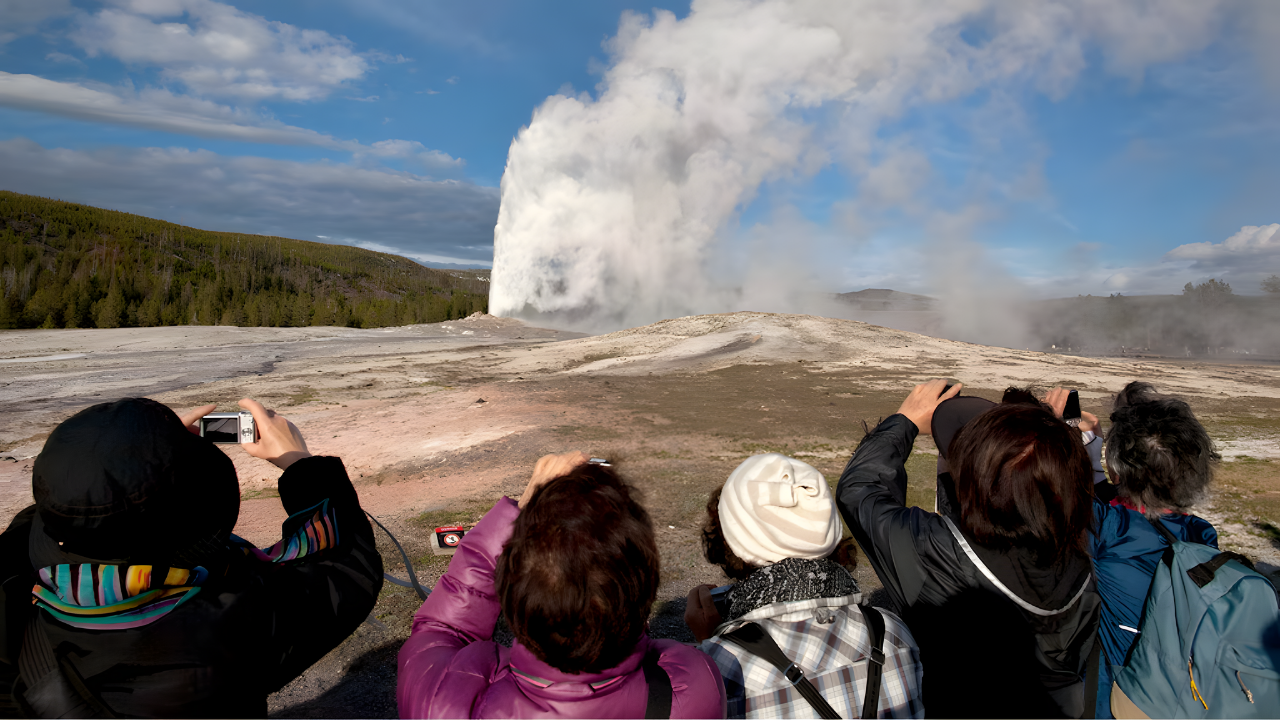
Yellowstone Caldera, America’s massive supervolcano tucked in Wyoming’s national park, has shown fresh signs of life after staying quiet for 640,000 years. Scientists at the U.S. Geological Survey (USGS) Yellowstone Volcano Observatory detected earthquake swarms and mapped a pulsing magma layer deep underground in late 2024. This “wake-up” grabbed headlines worldwide, thanks to the park’s history of huge blasts that changed the planet.
Don’t panic yet, experts call this normal background buzz, revealed by better tech. The caldera spans Wyoming, Montana, and Idaho, affecting millions nearby. Over 4 million tourists visit yearly, hiking above this hidden power.
Spotting the “Breathing” Magma Cap
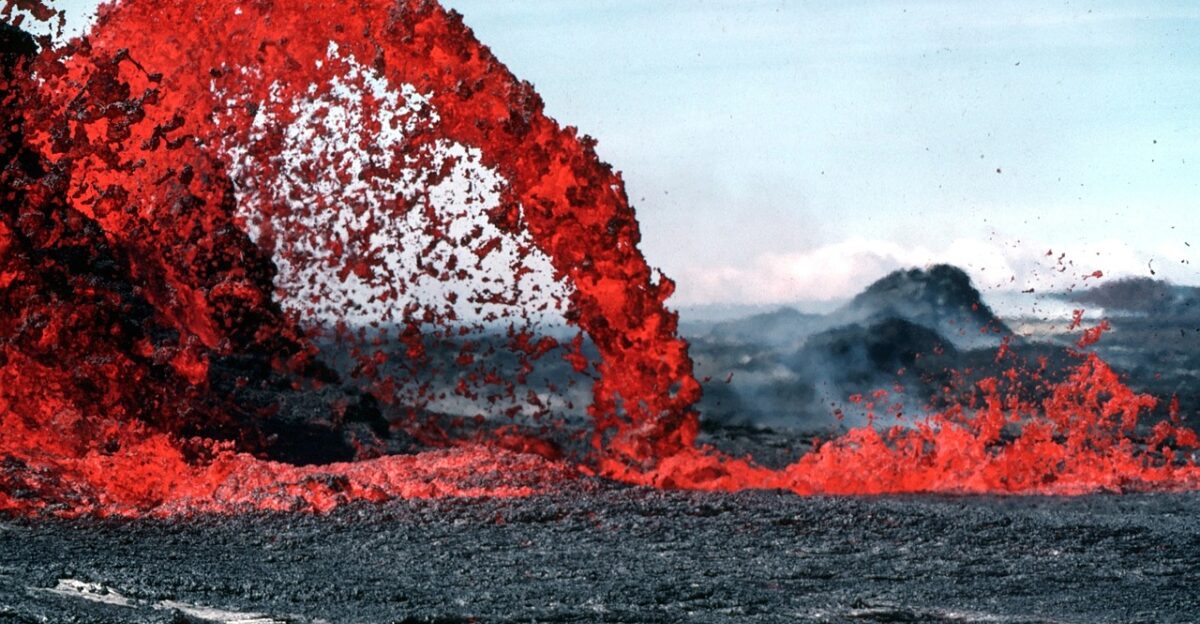
In April 2025, a Nature study revealed a breathing magma cap just 2.6 miles under Yellowstone. This shallow layer swells and shrinks like lungs, releasing gas and fluids to ease pressure, like a safety valve on a boiling pot.
Seismic scans showed the cap’s spongy rock lets pressure escape, which might explain the long quiet spell. For folks in Wyoming, Montana, and Idaho, it’s a bit reassuring amid scary headlines. No big threats yet, but it reframes the volcano as active, not asleep.
A Giant Magma Pool Below
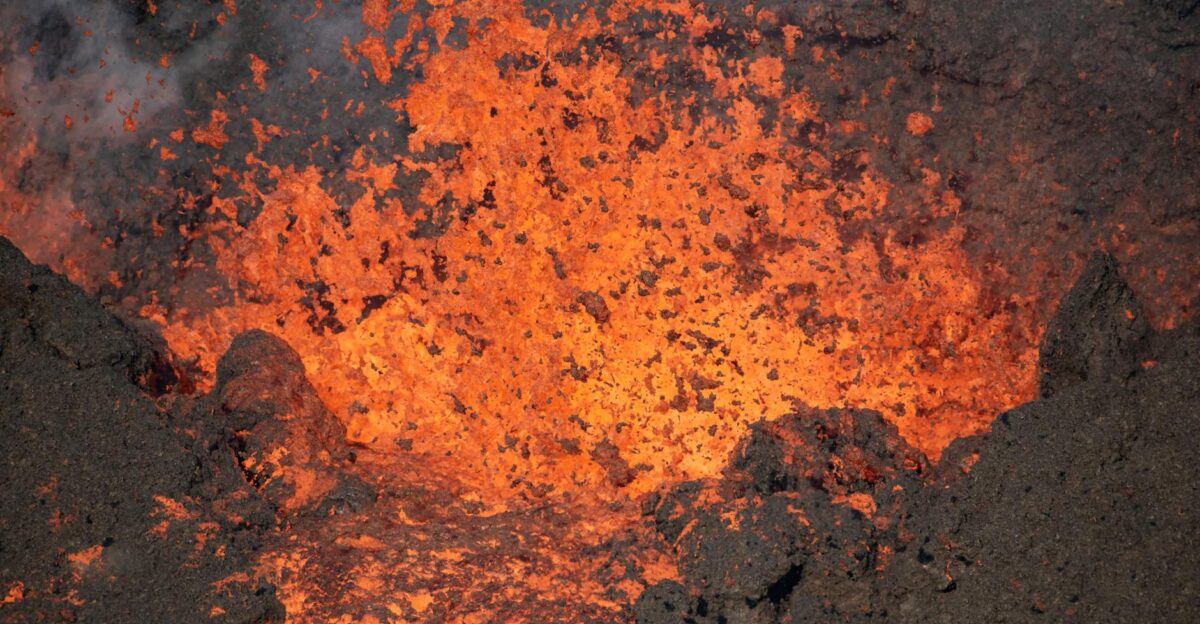
Under that breathing cap hides a monster magma reservoir, 11,200 cubic miles wide, four times bigger than old maps suggested. It holds just 2% molten rock but stretches Yellowstone’s system to six times its known size. The reservoir system spans up to 15,000 cubic kilometers in total volume, though only a small fraction would be eruptible, with previous eruptions releasing around 1,000 cubic kilometers of material.
This beast lurks right below the park’s geysers and bison trails. A full blast could blanket states in ash, but current activity stays low.
640,000 Years of Quiet Power
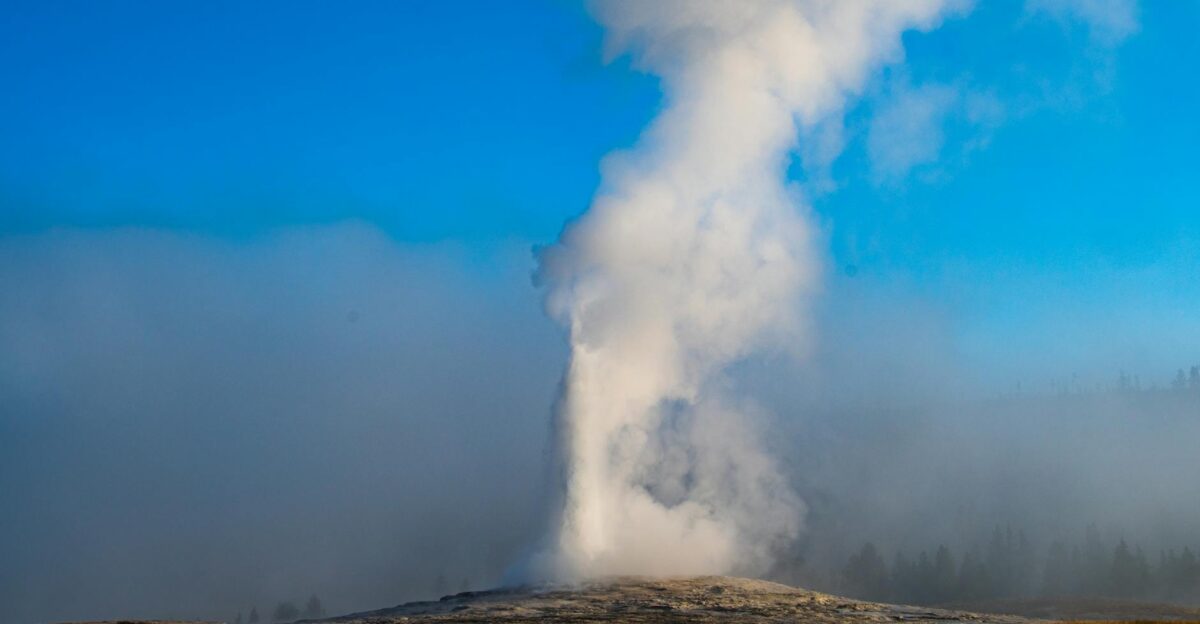
Yellowstone’s last mega-eruption 640,000 years ago spewed ash over 2,900 square miles, bigger than Delaware, marking its longest sleep in 2.1 million years. Two earlier blasts hurled even more rock, cooling Earth and burying lands. Geologists puzzle over the silence: why no big bang lately?
The breathing cap hints at ongoing leaks preventing buildup. Yet whispers grow, is it recharging? Families in nearby states eye history warily, prepping kits amid normal life.
251 Quakes Shake Things Up
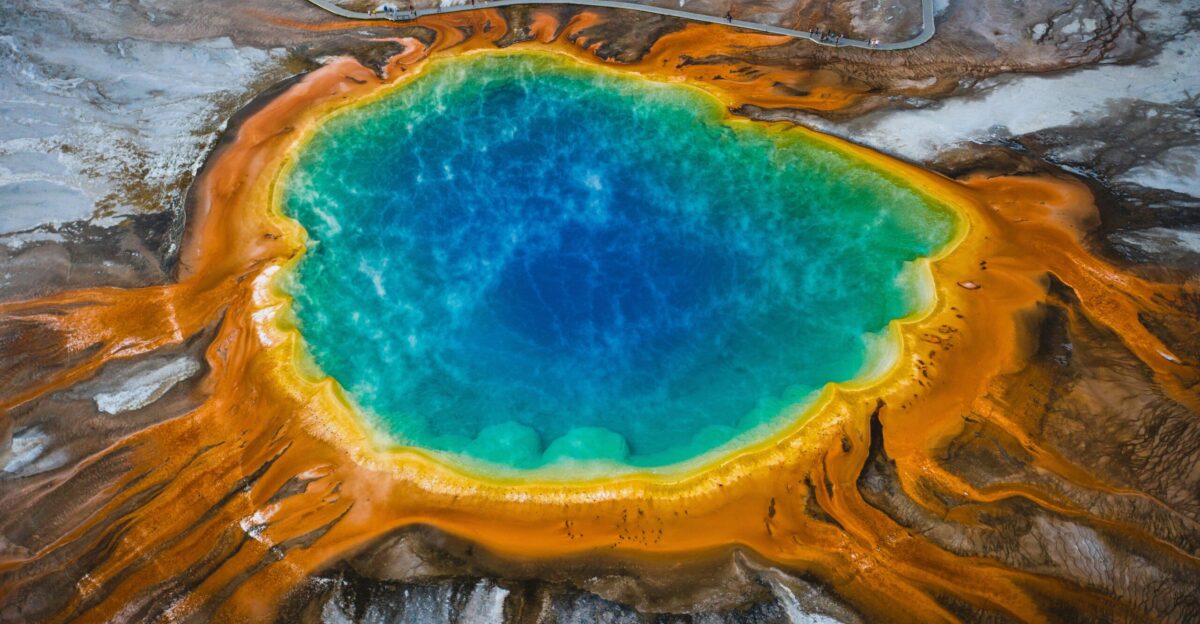
November 2024 brought 251 earthquakes to Yellowstone, topping out at magnitude 3.2, the strongest rattled dishes but caused no harm. This swarm fit the area’s 1,000+ yearly quakes, linking to the new magma cap find. USGS stations in three states tracked every tremor.
Locals felt light jolts, a gritty reminder of the unstable ground. “Swarm activity is common here,” USGS reported in real-time logs. No damage, but it spiked alerts.
Three States Brace for What-Ifs
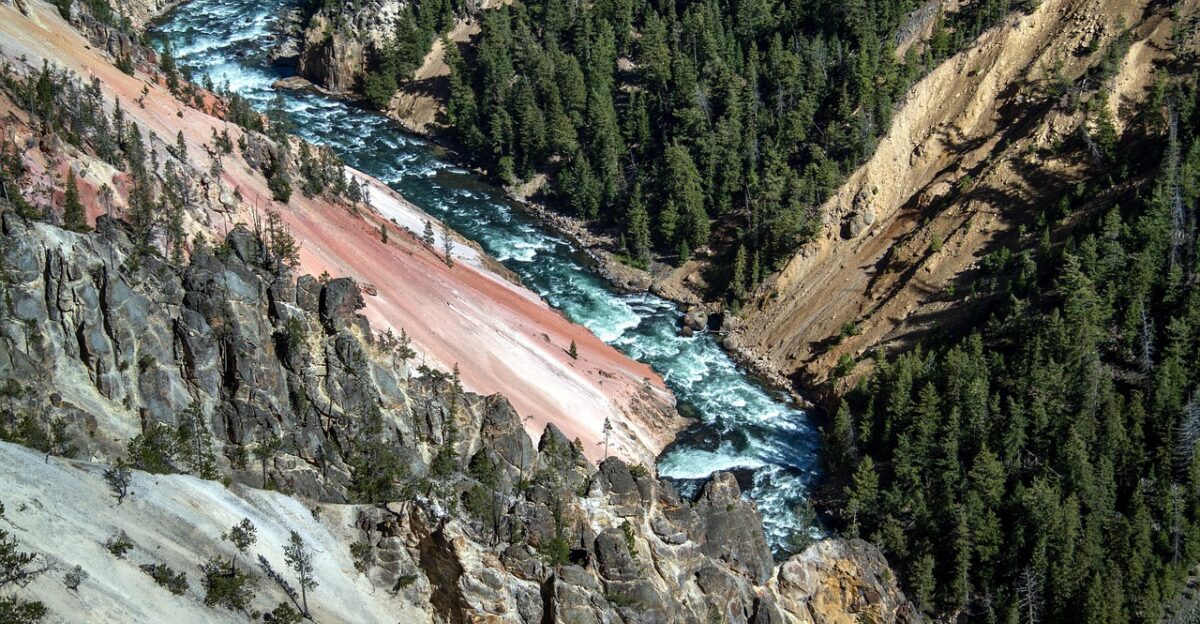
Wyoming, Montana, and Idaho sit in Yellowstone’s shadow, with the caldera crossing borders. Tens of millions of Americans live within potential ash fallout zones, vulnerable to disruption from a major event. Officials run more drills, urging go-bags and plans.
No evacuations needed, but worry lingers, parents scout safe school paths, tourism fights bad buzz. USGS holds “normal” alerts. Preparedness builds calm,” emphasize emergency management officials across the region. Economies lean on park visitors, balancing hype with reality. Daily life hums, but headlines echo the giant below.
How the Safety Valve Works
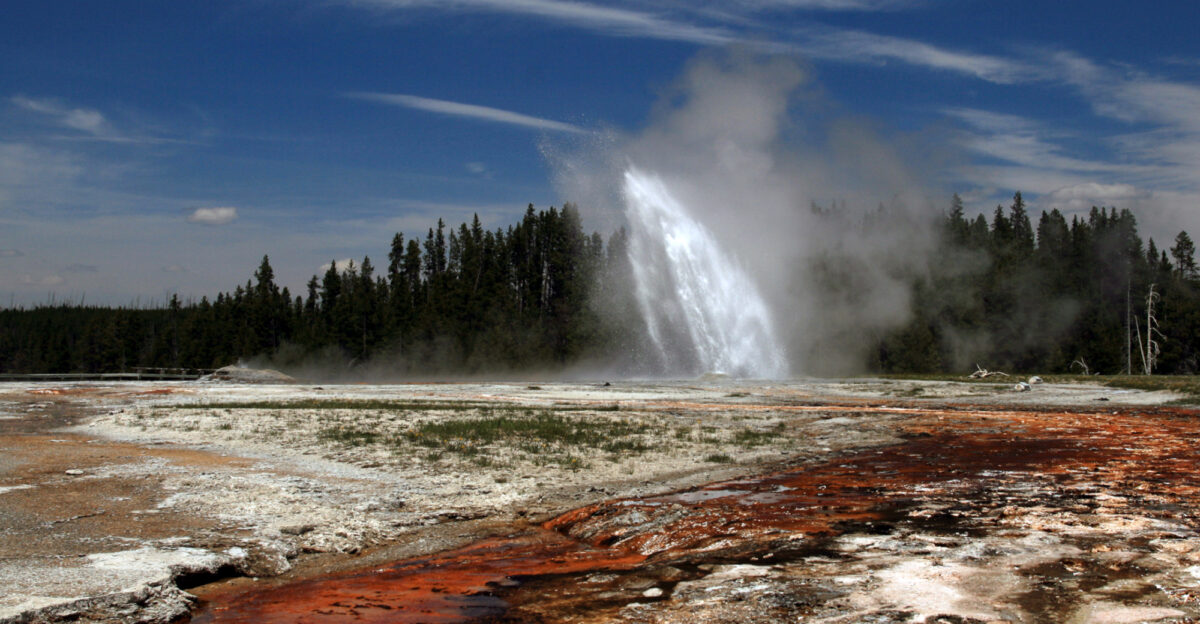
Yellowstone’s breathing magma cap works like a built-in pressure cooker release, preventing dangerous buildups that could lead to eruptions. Located just 2.6 miles underground, this porous layer of rock and semi-molten material expands and contracts rhythmically, allowing built-up gases and fluids to seep out slowly over time. Scientists liken it to a sponge soaked in hot soup where gaps in the rock let steam escape without exploding the pot.
This mechanism explains much of the caldera’s 640,000-year quiet spell, as continuous venting keeps internal pressures from spiking to critical levels. Advanced seismic imaging first revealed these subtle leaks, shifting views from a dormant bomb to a regulated engine.
Lessons from Ancient Mega-Blasts
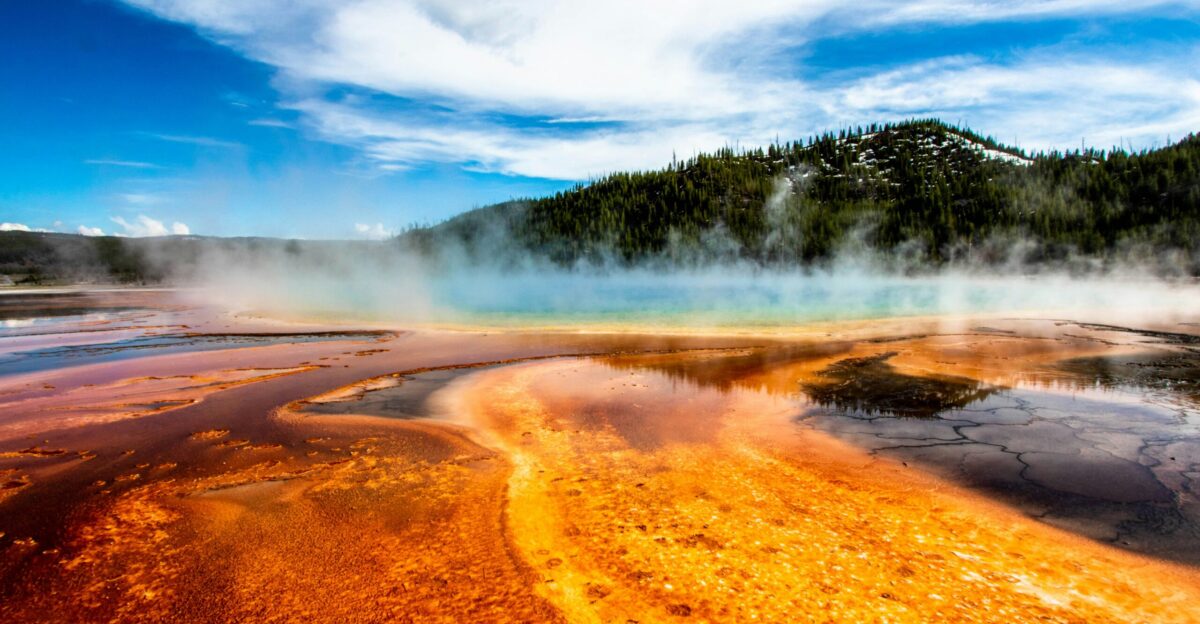
In 2.1 million years, Yellowstone’s three supereruptions dwarfed Mount St. Helens, dumping ash across North America and chilling climates. The latest scarred 7,500+ square kilometers. Today’s tools spot early signs missing back then.
These cycles inform forecasts, though predictions stay tricky. Wyoming families draw strength from lessons, prepping without panic.
USGS: All Clear, Stay Vigilant
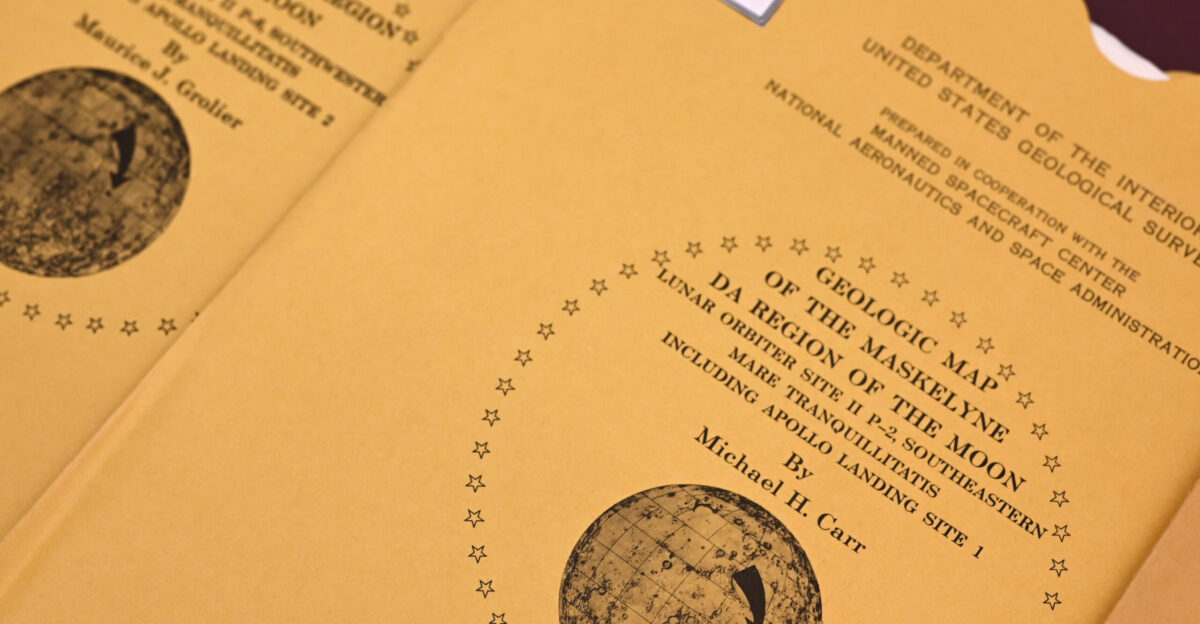
The U.S. Geological Survey’s Yellowstone Volcano Observatory maintains that all recent stirrings sit at background levels with no upticks warranting higher alerts since the November 2024 quake swarm. Advanced sensors now pick up thousands of tiny earthquakes and subtle ground shifts that older tech missed, painting a clearer picture of the caldera’s everyday hum rather than hidden danger.
“This increased visibility from better monitoring doesn’t signal rising risk, it’s just seeing the normal pulse more clearly,” USGS volcanologist Mike Poland stated in a 2025 update, echoing reports from the observatory. No surface changes, gas spikes, or major deformations appear, keeping the alert at green.
Trillions on the Line Economically
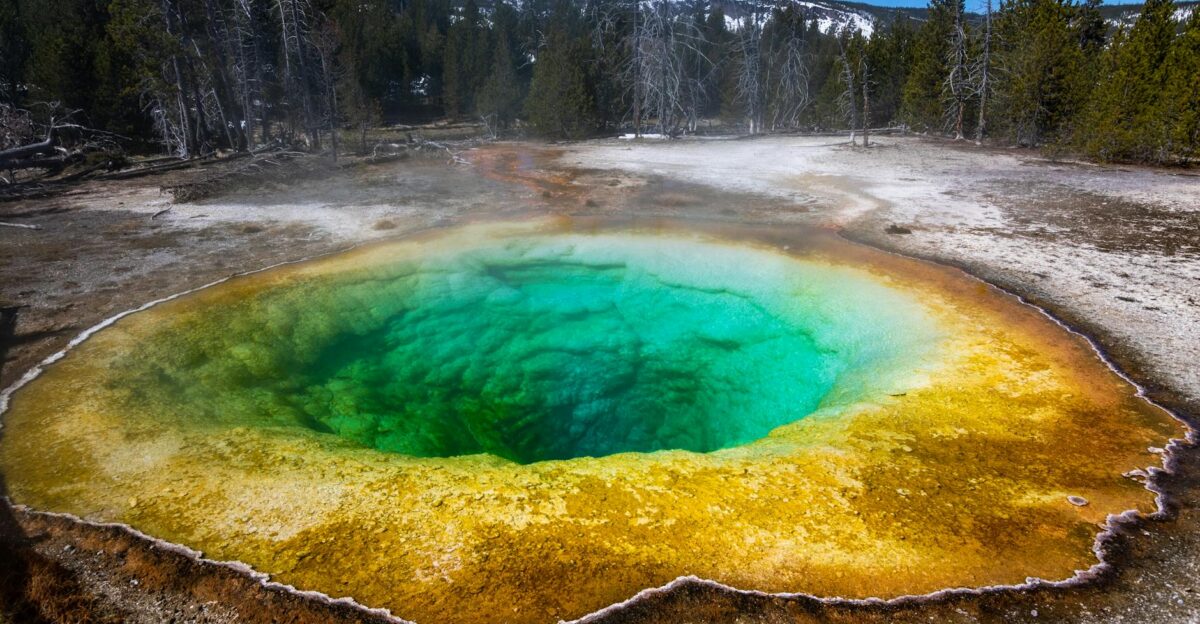
A Yellowstone supereruption could unleash $3-5 trillion in damages across the U.S., according to Federal Emergency Management Agency (FEMA) models, dwarfing costs from hurricanes or pandemics. Ash clouds would ground flights for weeks, stranding 90 million people in fallout zones from the Rockies to the East Coast and halting air travel nationwide.
Agriculture faces devastation as fine ash smothers crops in Wyoming, Montana, Idaho, and beyond, slashing yields by up to 50% in key states and spiking food prices. Infrastructure buckles under weight: roads clog, power lines snap, and water systems fail, with cleanup alone costing billions.
4 Million Tourists Over Hot Rocks
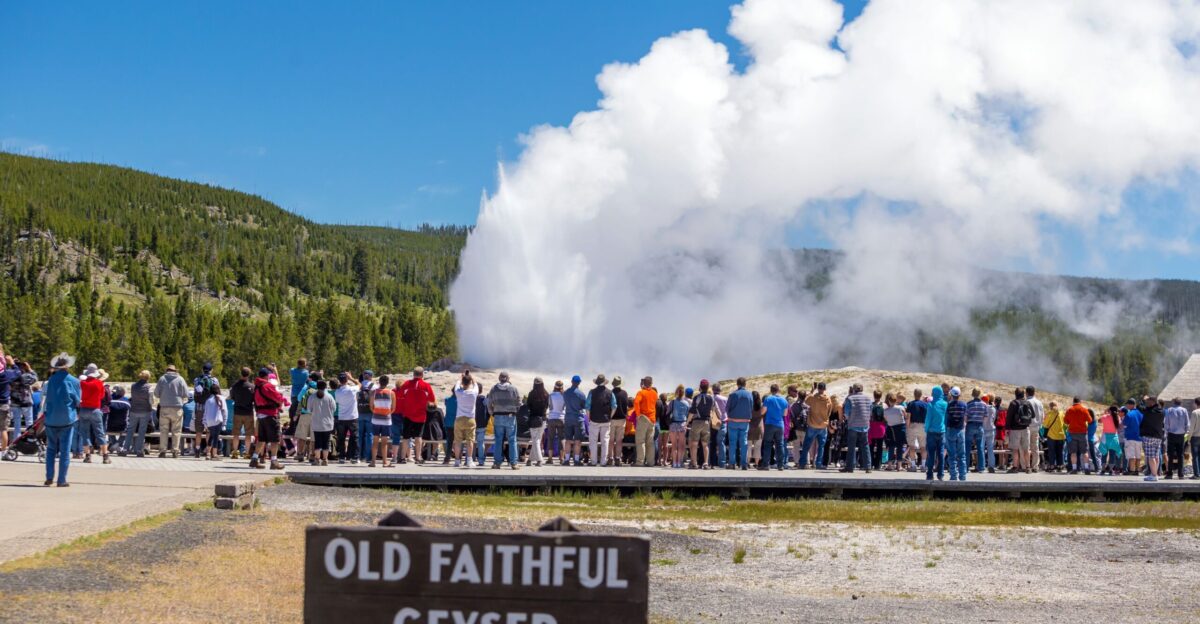
Each year, 4 million visitors pour into Yellowstone National Park, drawn to geysers like Old Faithful, bison herds, and steaming hot springs, all perched directly over the newly mapped magma chamber spanning 11,200 cubic miles. These crowds hike boardwalks mere feet from hydrothermal explosions, where scalding water and steam can burst without warning, posing immediate risks unrelated to deep volcanic threats.
Park rangers now weave in briefings on the breathing magma cap during talks, blending jaw-dropping facts with safety tips. For locals in Wyoming, Montana, and Idaho, tourism fuels jobs but strains resources during peak summer rushes.
Riddle of the Long Sleep
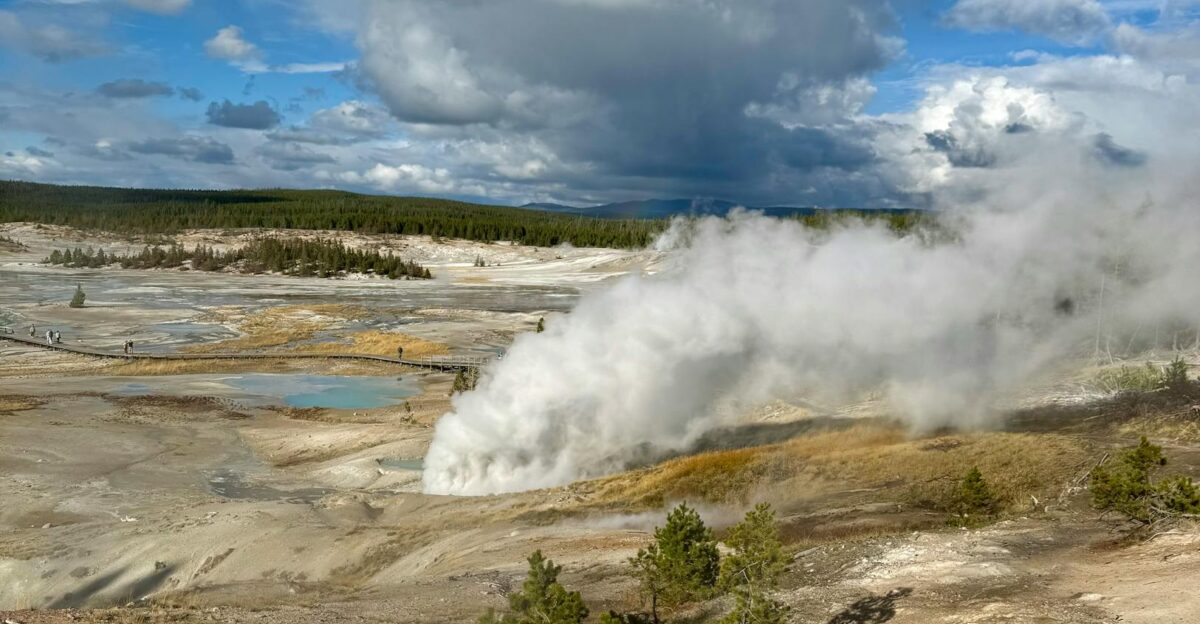
Yellowstone’s 640,000-year dormancy stands out as its longest quiet period in 2.1 million years, puzzling scientists who expected shorter cycles between supereruptions based on the prior 700,000-year gap. Clues point to the massive 11,200-cubic-mile reservoir refilling ultra-slowly with molten rock, perhaps just hundredths of a percent per century, while the shallow breathing magma cap vents gases nonstop, preventing the pressure spikes that triggered ancient blasts.
For Wyoming, Montana, and Idaho families, this buys time but sparks debate, is it a true pause or a stealth recharge?
Silver Lining in the Stir
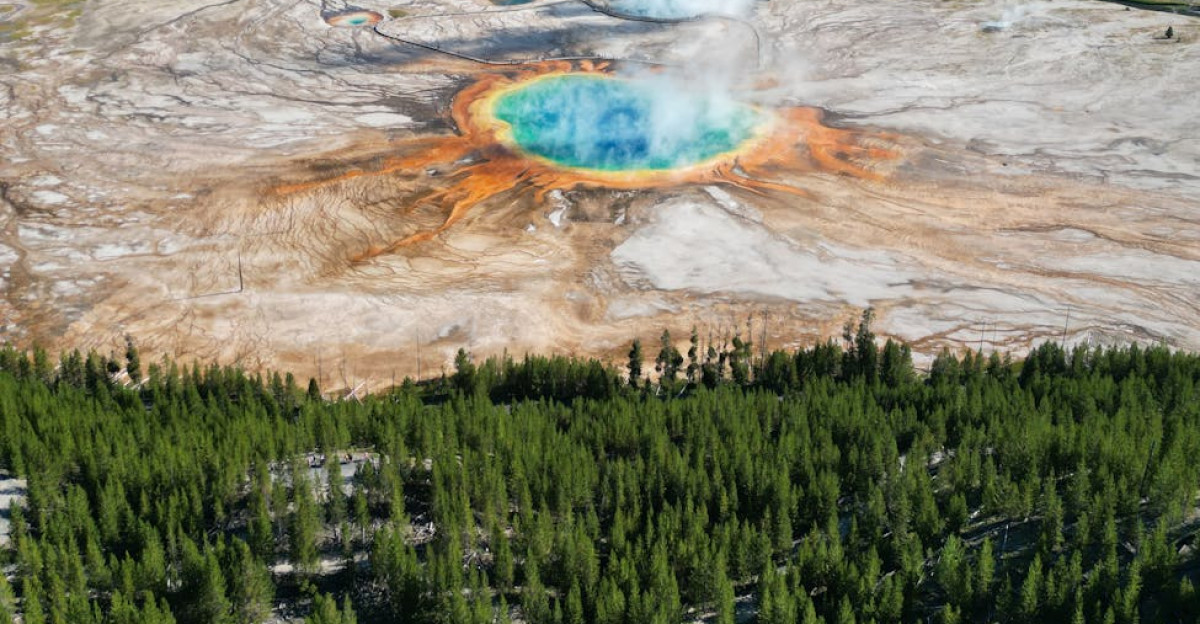
Dynamic fluid flows show the system hums steadily, not building to a boil, far from a shutdown, it’s a regulated engine. “It’s been breathing this whole time, reframing fear as insight,” USGS volcanologist Mike Poland noted in 2025 updates, highlighting how better tech exposes normalcy.
This shift eases panic for Wyoming, Montana, and Idaho families, who now see headlines as progress, not peril. o imminent threats emerge; instead, the stir boosts monitoring, from seismic nets to satellite scans, offering earlier warnings than ever.
Life Under the Volcano’s Watch
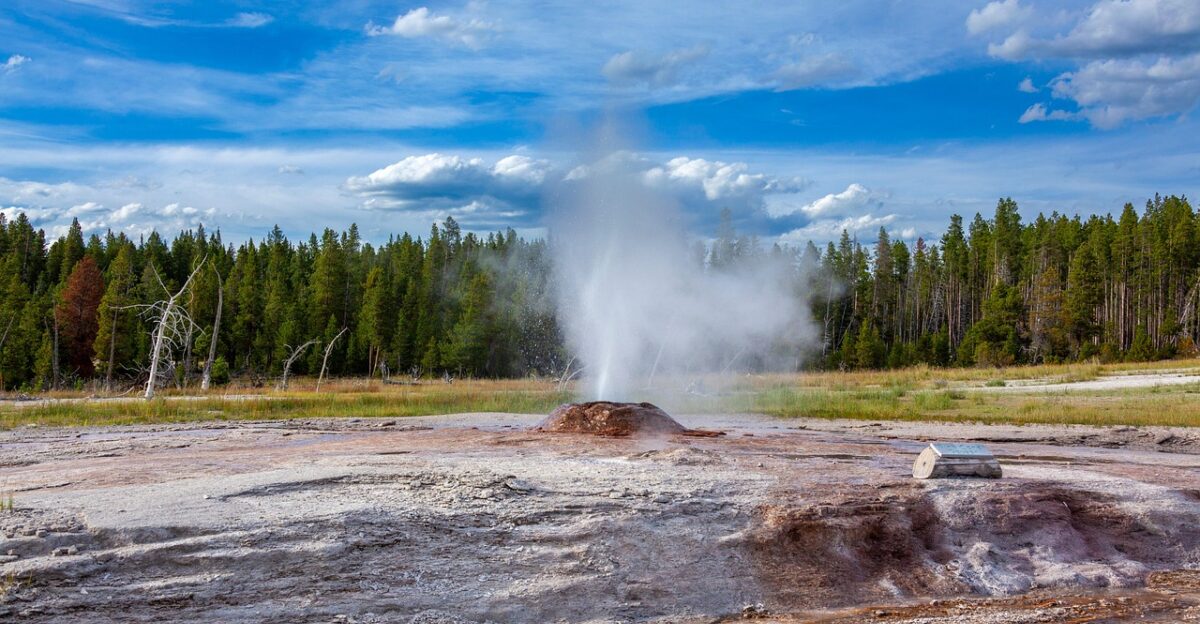
Montana ranchers on vast spreads near Bozeman host USGS town halls in barns, swapping stories of minor shakes over coffee, turning anxiety into community grit. Idaho families in Idaho Falls scroll social media feeds blending doomsday memes with USGS fact-checks, fostering resilience through shared drills and apps.
“Life goes on, but we’re ready—that’s the Yellowstone way,” reflects the sentiment among many Wyoming residents preparing for potential scenarios. The volcano’s watch sharpens bonds, blending everyday normalcy with quiet preparedness across the three states.
Watching the Giant Closer
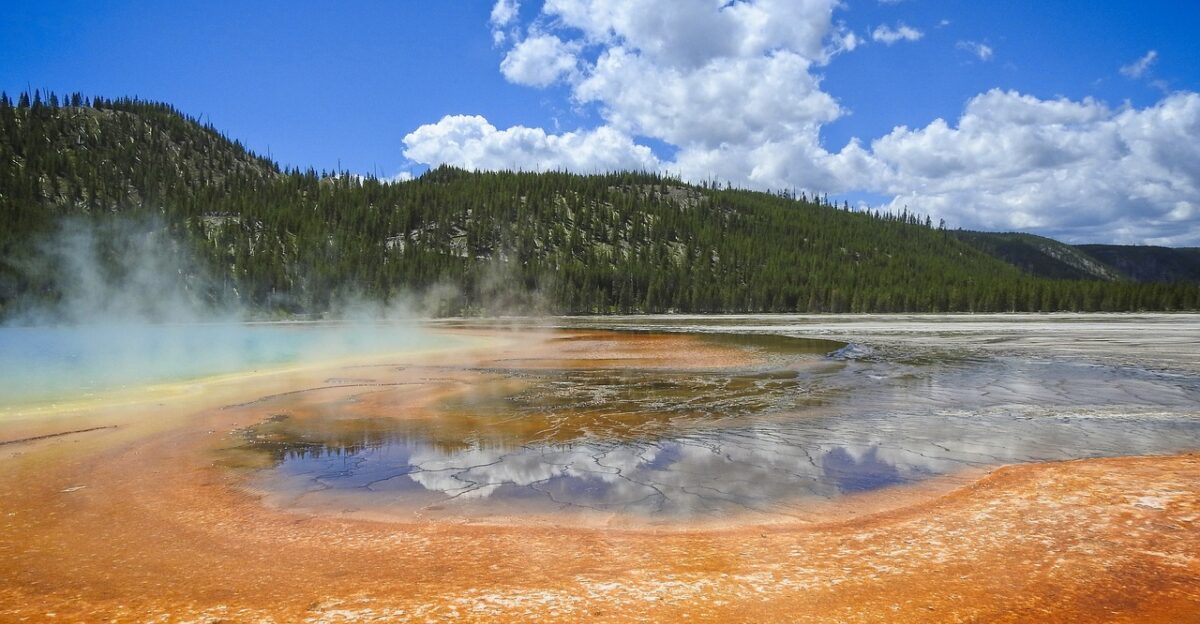
New seismic networks blanket Yellowstone with thousands of sensors, capturing every micro-quake and ground tilt in real-time to track the breathing magma cap’s rhythm. Satellites like NASA’s InSAR beam back daily deformation maps, spotting subtle swells that signal pressure shifts miles below.
USGS plans deeper core drills in 2026 to probe the 11,200-cubic-mile reservoir directly, sampling rock for melt clues and gas hints. “These tools give us eyes inside the beast like never before,” USGS volcanologist Mike Poland stated in 2025 observatory plans, emphasizing collaboration with Wyoming, Montana, and Idaho agencies. Families across the region download apps for instant alerts, blending frontier independence with cutting-edge science.
Sources:
Live Science, ‘Breathing’ magma cap inside Yellowstone supervolcano, 2025-04-25.
USGS Yellowstone Volcano Observatory, Volcano Updates, 2025-11-30.
Rice University News, Inside Yellowstone’s fiery heart: Rice researchers map volatile-rich cap, 2025-04-15.
Buckrail, Yellowstone’s November update includes 88 earthquakes, 2024-12-02.
CNN, Magma expanse under Yellowstone supervolcano more vast, 2015-04-24.
Smithsonian Magazine, Giant New Magma Reservoir Found Beneath Yellowstone, 2015-04-22.