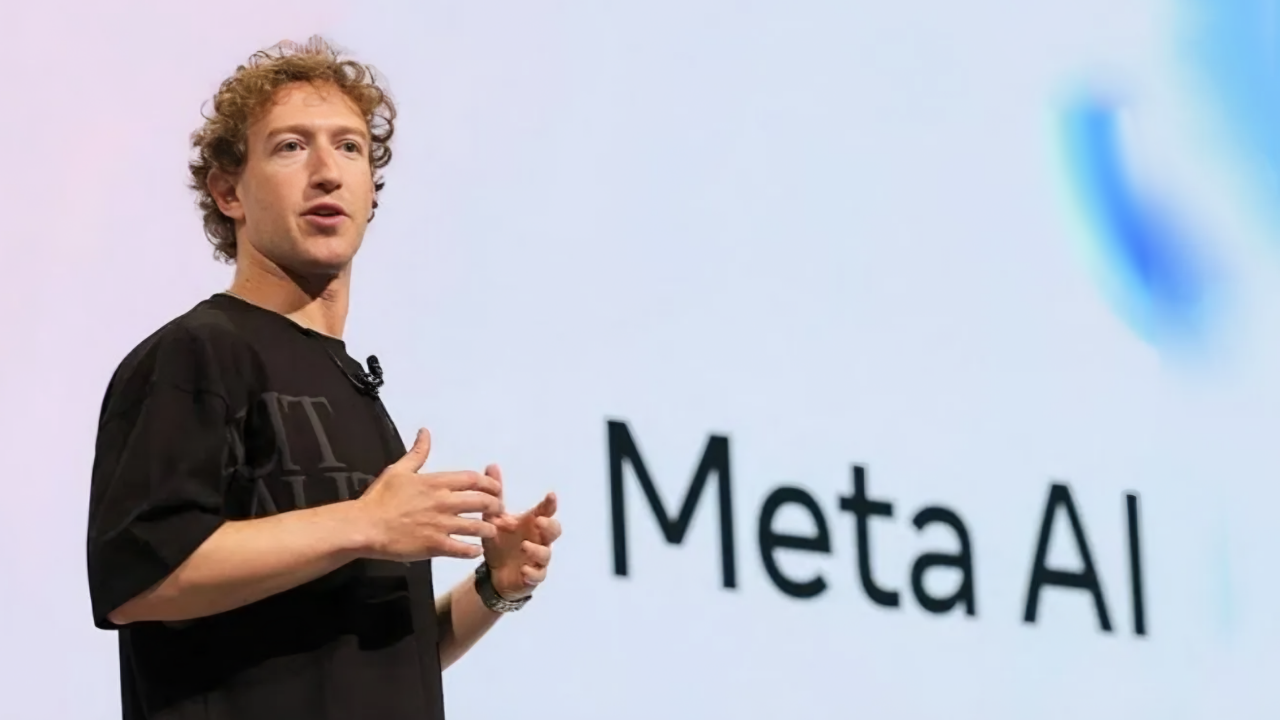
Meta Platforms has acquired Singapore-based AI startup Manus for more than $2 billion, marking one of the largest artificial intelligence deals of 2025.
The transaction, finalized in approximately ten days, brings a rapidly growing AI agent company with Chinese origins into Meta’s portfolio as the social media giant intensifies efforts to monetize massive AI infrastructure investments.
What Manus Does: Autonomous AI Agents

Unlike traditional chatbots, Manus creates AI agents that autonomously execute complex, multi-step tasks without continuous human prompting.
The platform can conduct parallelized research across hundreds of sources, automate candidate screening, generate competitive intelligence reports, and execute workflows involving code and data manipulation. Users describe it as having “secret agent-level autonomy” for business operations.
Exceptional Growth Trajectory

Manus achieved $100 million in annual recurring revenue within eight months of launching paid subscriptions in April 2025, with total revenue exceeding $125 million by mid-December.
This growth velocity positions Manus among the fastest-scaling enterprise software companies in history, far surpassing typical five-to-seven-year timelines for reaching $100 million ARR. The company has processed over 147 trillion tokens since launching in March.
Addressing Meta’s Monetization Challenge

The acquisition directly addresses Meta’s fundamental challenge: justifying approximately $70-72 billion in annual AI infrastructure spending when 97% of revenue derives from advertising.
Rosenblatt Securities analyst Barton Crockett called Manus a “natural fit” that could rank alongside Meta’s transformative Instagram and WhatsApp acquisitions. The deal provides immediate revenue and proven subscription business models for AI investments.
WhatsApp Business Integration Opportunity

Meta serves millions of small and medium-sized businesses through WhatsApp, creating natural distribution channels for Manus’s AI agent capabilities. The platform’s ability to automate research, customer screening, and task execution aligns directly with SMB operational needs.
This integration could accelerate Meta’s efforts to monetize WhatsApp’s vast user base through business services beyond traditional advertising models.
Competitive AI Agent Landscape
The acquisition positions Meta against OpenAI’s AgentKit, Google’s Agent Builder on Vertex AI, and Anthropic’s Claude Computer Use capabilities. Each competitor has deployed distinct approaches: OpenAI emphasizes developer flexibility, Google focuses on enterprise governance, while Anthropic prioritizes safety and human supervision.
Manus differentiates through autonomous end-to-end task completion with minimal human intervention, validated by paying enterprise customers.
Chinese Origins and Geopolitical Complexity

Manus originated within Butterfly Effect, a startup initially based in Beijing before relocating headquarters to Singapore in mid-2025. Early investors included Chinese technology firms Tencent Holdings, ZhenFund, and HSG (formerly Sequoia Capital China).
This heritage introduces regulatory considerations that Meta has moved aggressively to address through transaction structuring.
Severing Chinese Ownership Ties

Meta’s acquisition terms explicitly unwind all Chinese connections. The company stated unequivocally: “There will be no continuing Chinese ownership interests in Manus AI following the transaction, and Manus AI will discontinue its services and operations in China.”
All existing Chinese investors have been bought out. This structure addresses potential scrutiny under the Committee on Foreign Investment in the United States.
Founder Joins Meta Leadership
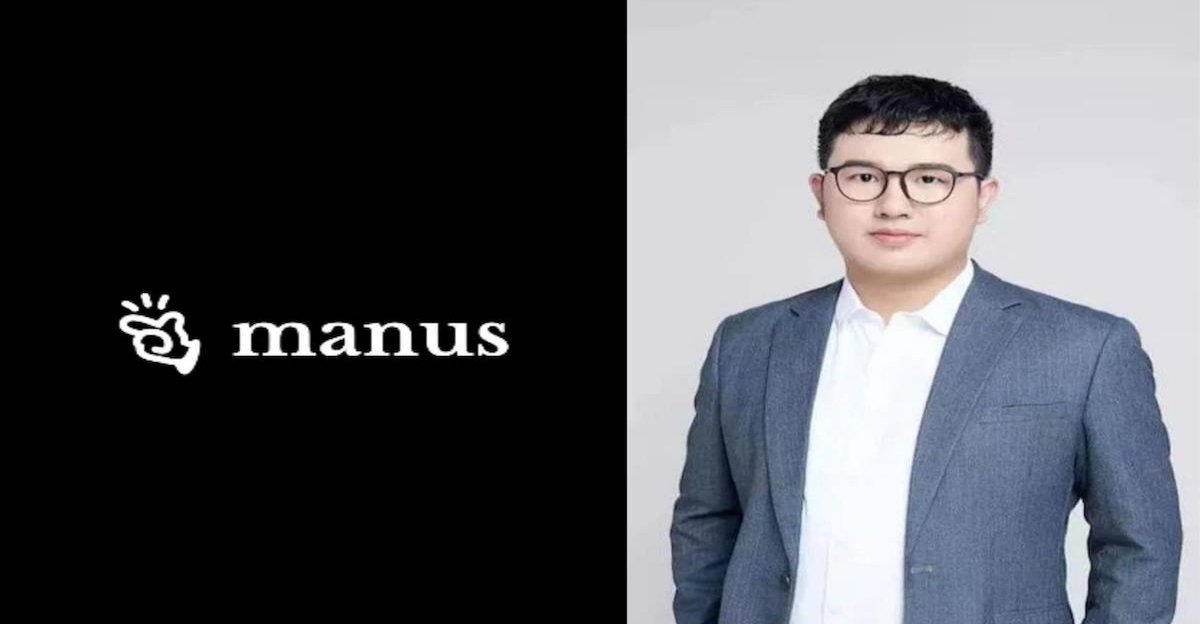
Xiao Hong, Manus’s 33-year-old founder and CEO, will join Meta as a vice president reporting to Chief Operating Officer Javier Olivan.
Hong previously founded Nightingale Technology, which created WeChat productivity tools serving over 2 million businesses, and Butterfly Effect, an AI browser extension that gained 10 million users globally. Approximately 100 Manus employees are joining Meta.
Dual-Track Integration Strategy

Meta will continue operating and selling the Manus service through its existing subscription model and website while simultaneously integrating the technology into Meta AI, WhatsApp, Facebook, Instagram, and Messenger.
This approach mirrors Meta’s handling of Instagram and WhatsApp acquisitions, maintaining standalone operations while leveraging cross-platform synergies for maximum strategic value.
Premium Valuation Reflects Growth

At over $2 billion for a company generating $125 million in revenue run rate, the transaction implies a revenue multiple of approximately 16-20x.
This premium pricing reflects both exceptional growth velocity and strategic value but remains within range of high-growth SaaS acquisitions. Some reports suggest the total package including employee retention could reach $2.5 billion.
Analyst Reactions Generally Positive

Rosenblatt Securities maintained its Buy rating with a $1,117 price target, describing Manus as a “rocket-ship grower in SMB-focused agentic AI.” Morgan Stanley reaffirmed its Overweight rating, while Goldman Sachs maintained Buy.
More conservative analysts including RBC Capital and Barclays lowered targets to $770-810, expressing concerns about high costs and capital investments potentially limiting short-term returns.
Second Major AI Deal of 2025

The Manus acquisition represents Meta’s second major AI transaction in 2025, following a $14.3 billion investment for 49% of Scale AI announced in June.
That deal, which brought Scale founder Alexandr Wang to Meta to lead a superintelligence research lab, addressed urgent needs for high-quality training data. The combined transactions total over $16 billion in AI acquisitions within seven months.
Massive Infrastructure Commitments

These acquisitions fit within CEO Mark Zuckerberg’s broader strategy: a $600 billion commitment to U.S. AI and data center infrastructure through 2028, one of the largest capital commitments ever made by a U.S. technology company.
Meta raised 2025 capital expenditure guidance to $70-72 billion, with expectations of further increases in 2026 as AI competition intensifies.
Reality Labs Strategic Pivot
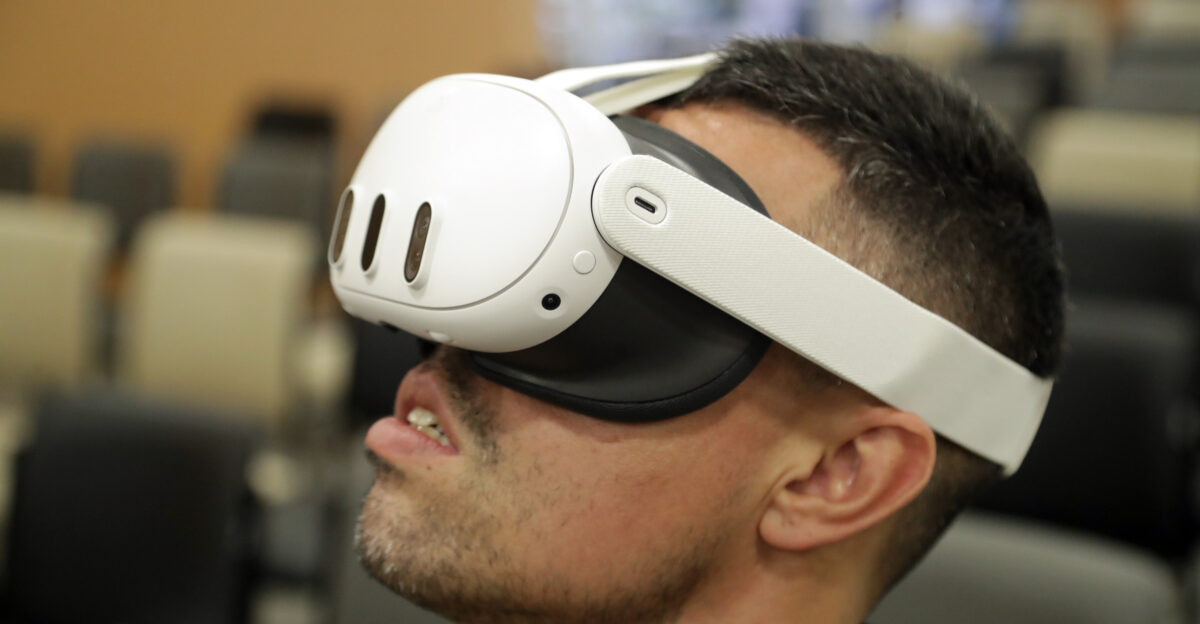
The Manus acquisition coincides with significant shifts within Meta’s Reality Labs division, which has accumulated losses exceeding $70 billion since late 2020.
Reports indicate Meta is planning layoffs affecting 10-30% of VR headset teams, reallocating resources toward AI smart glasses and wearables. Reality Labs posted a $4.4 billion loss in Q3 2025 while recording only $470 million revenue.
AI Glasses Exceed Expectations

In contrast to struggling VR headsets, Meta’s Ray-Ban smart glasses collaboration with EssilorLuxottica has exceeded expectations, with total sales surpassing 2 million units since October 2023.
The partnership has been extended through 2030, and Meta introduced Ray-Ban Display glasses with built-in screens at $799. The eyewear company confirmed AI glasses contributed positively to Q3 sales.
Synergy Between Agents and Wearables
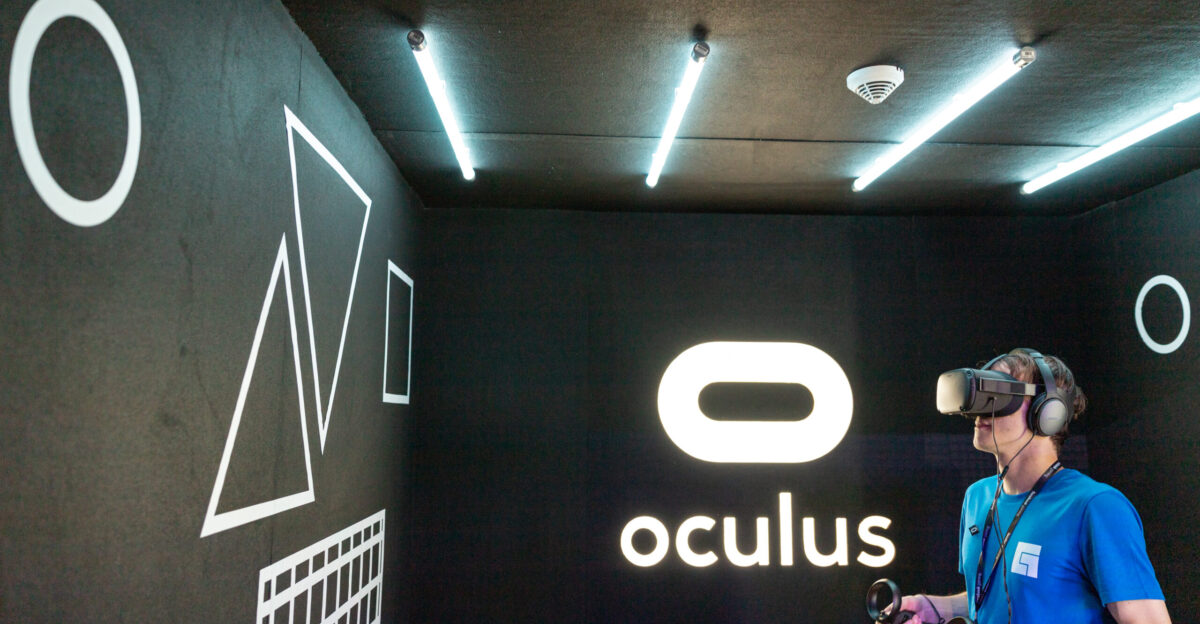
Combining Manus’s agent capabilities with successful AR wearables creates compelling use cases. Users could instruct AI agents through Ray-Ban glasses to conduct research, analyze data, or execute workflows while remaining engaged with the physical world.
Zuckerberg has positioned AI glasses as a future computing platform alongside mobile phones, with agents providing the intelligent functionality to drive adoption.
Booming AI Agent Market
Industry forecasts project the AI agent market will expand from $7.84 billion in 2025 to $52.62 billion by 2030, representing 46.3% compound annual growth.
IDC expects AI copilots embedded in nearly 80% of enterprise workplace applications by 2026. Gartner predicts at least 15% of work decisions will be made autonomously by AI agents by 2028, up from virtually zero in 2024.
Integration Challenges Ahead

Despite strategic logic, the acquisition faces execution challenges including integrating startup technology across Meta’s billions of users, uncertain AI agent economics given expensive inference costs, intense competitive pressure from well-funded rivals, potential regulatory scrutiny despite structural safeguards, and talent retention in a competitive AI hiring environment.
Historical precedent shows technology acquisitions frequently struggle with integration at scale.
Transformation Beyond Advertising

The fundamental question facing Meta extends beyond this transaction: Can the company transform from an advertising-driven model to one capturing meaningful value from AI through subscriptions, business services, and new product categories?
The Manus acquisition provides proven technology, revenue, and talent to accelerate AI agent ambitions. Success depends on execution quality, competitive dynamics, and finding compelling use cases leveraging Meta’s unique combination of reach and capabilities.
Sources:
“Meta Buys AI Startup Manus for More Than $2 Billion.” Wall Street Journal, December 2025.
“Meta Acquires Startup Manus to Bolster AI Business.” Bloomberg News, December 2025.
“Meta acquires intelligent agent firm Manus, capping year of AI deals.” CNBC, December 2025.
“Meta to Buy Manus, an AI Startup With Chinese Roots.” Yahoo Finance, December 2025.
“Manus hits US$100 million revenue milestone as global adoption accelerates.” Yahoo Finance, December 2025.
“Meta stock price target reiterated at $1,117 by Rosenblatt on Manus acquisition.” Investing.com, December 2025.